Scientists have pinpointed a promising spot on Mars for the first human landing, thanks to hidden water ice just below the surface. This discovery in Amazonis Planitia, revealed in late 2025, could provide vital resources like water, oxygen, and fuel, making long-term missions more feasible.
Discovery of Shallow Ice in Amazonis Planitia
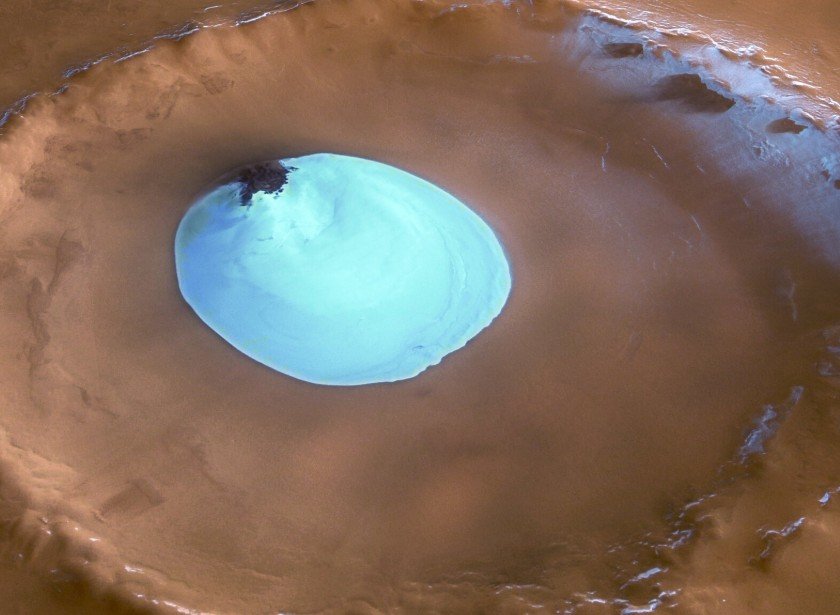
Recent studies show that Amazonis Planitia, a vast plain in Mars’ northern hemisphere, holds large amounts of water ice buried less than a meter deep. Researchers used orbital images and radar data to spot these deposits, which could stretch for kilometers.
This find builds on earlier Mars missions that hinted at ice in mid-latitude regions. The ice stays preserved due to the area’s balance of sunlight and cold temperatures, preventing it from turning into vapor quickly.
Experts say this shallow ice is easier to reach than deeper reserves found elsewhere on the planet. Digging just a short distance could yield enough material to support a crew.
The research team analyzed landforms that suggest ice pushed up the surface in patterns similar to Earth’s glacial features. These clues point to pure water ice, not mixed with much dirt or rock.
Why This Site Stands Out for Human Missions
Amazonis Planitia offers flat terrain, which reduces risks during landing and takeoff. Unlike rugged areas with craters or mountains, this spot provides a smooth surface for spacecraft.
Sunlight in this region is strong enough for solar power, yet the cold helps keep the ice stable. This mix solves key challenges for astronauts who need energy and resources without hauling everything from Earth.
Mission planners value sites with in-place resources to cut costs and weight. Harvesting local ice could produce drinking water and rocket fuel through simple chemical processes.
Compared to polar regions with abundant ice, this mid-latitude area is warmer and gets more daylight, making it better for human comfort and operations.
- Flat plains minimize landing hazards.
- Accessible ice supports extended stays.
- Balanced climate aids ice preservation and energy production.
Resources Ice Could Provide
Water ice on Mars is not just frozen water. It can break down into hydrogen and oxygen, essentials for life support and propulsion.
Astronauts could use electrolysis to split water molecules, creating breathable air and fuel for return trips. This method has been tested on Earth and in space stations.
The amount of ice in Amazonis Planitia might supply a small base for months or years. Estimates suggest deposits could hold billions of liters if fully tapped.
| Resource | How It’s Obtained | Potential Use on Mars |
|---|---|---|
| Water | Melting ice | Drinking, farming, cleaning |
| Oxygen | Electrolysis of water | Breathing, fuel oxidizer |
| Hydrogen | Electrolysis of water | Rocket fuel |
| Fuel | Combining hydrogen and oxygen | Powering vehicles and ships |
This table shows how one resource leads to many benefits. Experts predict that using local materials could slash mission costs by half.
Logical reasoning points to this site as a game-changer. Past missions like Perseverance rover focused on science, but future ones aim for human survival. With ice nearby, crews avoid the dangers of long searches.
Clues to Ancient Life on Mars
Beyond resources, the ice might hold secrets about Mars’ past. Frozen layers could trap organic materials or signs of microbes from billions of years ago.
Scientists think Mars once had rivers and lakes, and this ice may preserve evidence of that wet history. Drilling into it could reveal if life ever existed there.
Recent events, like the 2025 Mars Sample Return mission plans, tie into this. Samples from similar sites might confirm biological markers.
The discovery aligns with ongoing debates about Mars’ habitability. If life clues emerge, it boosts arguments for protecting certain areas from contamination.
This adds emotional weight to the find. Imagine humans standing on Mars, uncovering proof we are not alone in the universe.
Challenges and Next Steps
No site is perfect. Dust storms in Amazonis Planitia could block solar panels, and radiation remains a threat without a magnetic field.
Teams must develop tech to extract and process ice efficiently. Robots might test this before humans arrive.
NASA and private companies like SpaceX plan crewed missions in the 2030s. This discovery influences their site choices.
International efforts, including China’s Mars program, could collaborate on exploration. Sharing data speeds up progress.
Future of Mars Exploration
This breakthrough excites space fans worldwide. It brings human footsteps on Mars closer to reality.
Ongoing research will map more details, using new orbiters and landers. By 2030, we might see prototypes mining Martian ice.
The find ties into broader trends, like reusable rockets cutting travel costs. Combined, they make colonization dreams possible.
Share your thoughts in the comments. What excites you most about landing on Mars? Spread this story to fellow space enthusiasts.