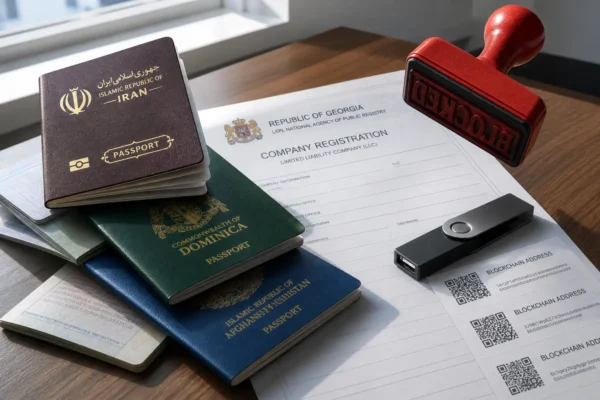
A shadowy organization called Georgians for Integrity has poured about $5 million into ads targeting Georgia Lieutenant Governor Burt Jones, accusing him of using his office for personal gain. This surge of anonymous funding, starting in November 2025, has sparked outrage and questions as Jones campaigns for governor in the 2026 election.
The Wave of Attacks Hits Georgia Airwaves
The ads began flooding television screens, mailboxes, and phones right after Thanksgiving 2025. Viewers tuning into football games or holiday shows could not escape them. The messages paint Jones as corrupt, claiming he has twisted his role in state government to boost his own wealth.
These efforts mark an early strike in the race for Georgia’s governorship. With the Republican primary set for May 2026, the timing suggests a calculated move to weaken Jones before other candidates gain momentum. Analysts point out that such large spending this far out is unusual, hinting at deep pockets and a long-term strategy.
The group behind it all remains elusive. No clear donors have surfaced, fueling speculation about who stands to benefit from damaging Jones’s reputation.
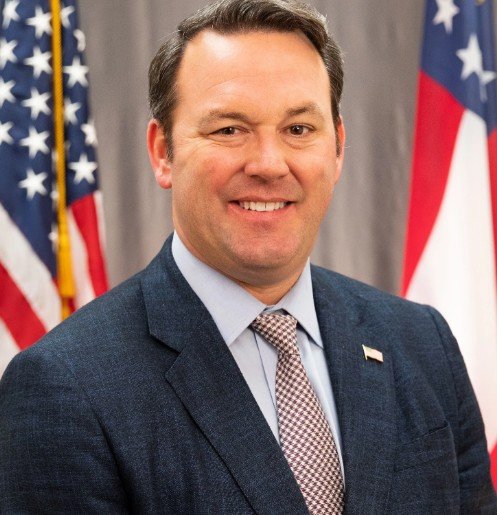
Who Is Burt Jones and Why Target Him?
Burt Jones, a Republican, has served as Georgia’s lieutenant governor since 2023. He rose to prominence in state politics after a career in business, where he helped build family enterprises in insurance and energy. Jones announced his bid for governor in July 2025, promising bold leadership and policies to support families and businesses.
His campaign gained a major boost with an endorsement from former President Donald Trump. This backing positions Jones as a frontrunner in a crowded field, but it also makes him a prime target for opponents. Jones has a history tied to the 2020 election, where he was one of the alternate electors who challenged the results in Georgia.
Critics argue this past involvement adds to his polarizing image. Supporters, however, see him as a fighter for conservative values. The attacks seem designed to exploit these divisions, questioning his integrity at a pivotal moment.
Recent polls show Jones leading among likely Republican voters, but the ad blitz could shift opinions if it continues unchecked.
Unraveling the Dark Money Mystery
Dark money refers to political spending from undisclosed sources, often through nonprofit groups that do not have to reveal donors. In this case, Georgians for Integrity operates as such an entity, allowing millions to flow without transparency.
Experts estimate the $5 million has funded over 1,000 ad spots across major Georgia markets like Atlanta and Savannah. This level of investment rivals national campaigns and raises alarms about influence in state races.
Similar dark money tactics have appeared in other states recently. For instance, in the 2024 elections, anonymous groups spent heavily in Texas and Florida to sway gubernatorial primaries. Georgia’s situation echoes these, but the scale here is notable for a non-presidential year.
Why hide the funding? Political strategists suggest it could be rival Republicans, Democrats testing the waters, or even business interests clashing with Jones’s policies. Without disclosure, speculation runs wild.
To illustrate the spending breakdown, here is a simple table of estimated costs based on industry averages:
| Ad Type | Estimated Spend | Reach Impact |
|---|---|---|
| Television Ads | $3.5 million | Statewide broadcasts |
| Mailers | $1 million | Targeted households |
| Text Messages | $500,000 | Mobile alerts to voters |
This table highlights how the money spreads across channels to maximize exposure.
Jones Fights Back with Legal Threats
The Jones campaign has not taken the attacks lightly. His team labeled the ads as false and damaging, with lawyers sending cease-and-desist letters to TV stations. They argue the claims lack evidence and amount to slander.
In response, the Georgia Republican Party filed an ethics complaint in December 2025. The filing accuses Georgians for Integrity of violating state laws by not registering properly as a political group. Party leaders call it an illegal smear campaign.
Jones himself addressed the issue in a recent statement, vowing to push forward. He tied the attacks to opponents fearing his strong polling numbers. So far, stations continue airing the ads, citing free speech protections.
This pushback mirrors other high-profile cases, like the 2022 midterm battles where candidates sued over misleading ads. Legal experts predict a drawn-out fight that could reach courts before the primary.
Broader Impact on Georgia’s Governor Race
The controversy spotlights how money shapes politics in Georgia, a key battleground state. With the 2026 election approaching, other candidates like state senators and business leaders are watching closely. If the ads dent Jones’s support, it could open doors for challengers.
Voters express frustration over the lack of transparency. A recent survey by a local think tank found 65 percent of Georgians want stricter rules on dark money. This sentiment ties into national debates, especially after record spending in the 2024 presidential race.
On a positive note, the uproar might lead to reforms. Lawmakers have discussed bills to require faster donor disclosures, potentially changing how campaigns operate.
Key concerns from voters include:
- Trust in political ads and their sources.
- The role of outside money in local elections.
- Potential for similar tactics in other states.
These points underscore the need for vigilance as the race heats up.
What This Means for Voters and the Future
As the mystery unfolds, it serves as a reminder of money’s power in democracy. Jones’s team hopes to turn the attacks into a rallying point, portraying him as a victim of shadowy forces. Meanwhile, the anonymous group shows no signs of stopping, with more ads possibly on the horizon.
For Georgia residents, staying informed is crucial. Track candidate statements and independent fact-checks to cut through the noise.
What do you think about dark money in politics? Share your views in the comments and spread this article to spark discussion among friends.