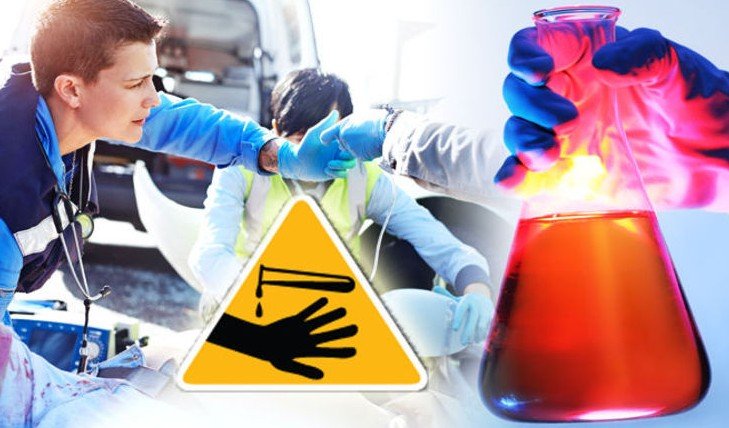
A 46-year-old mother named Ashley Wasielewski remains in critical condition after a stranger ambushed her with a corrosive chemical near Forsyth Park in Savannah, Georgia, on December 10, 2025. The unprovoked attack left her with severe burns covering half her body, sparking a massive search by local police and the FBI for the unknown assailant.
Details of the Shocking Ambush
The incident unfolded around 8:15 p.m. as Wasielewski walked home from the popular 30-acre park in the city’s historic district. Witnesses described hearing her screams as the attacker approached from behind and poured the acid-like substance over her head and upper body.
Her clothes melted from the chemical, and her car keys were damaged beyond use. First responders rushed her to a specialized burn center in Augusta, where doctors continue to treat extensive second and third-degree burns.
Family members say she has no known enemies and is known for her kind nature. Her son shared that the family feels stunned by the random violence.
Investigators believe the suspect fled the scene quickly, possibly in a white SUV spotted nearby. No motive has surfaced yet, but authorities stress the attack appears random.
Police and FBI Hunt for Suspect
The Savannah Police Department released surveillance images and descriptions of the suspect, described as a male in dark clothing. They urge anyone with tips to come forward.
The FBI joined the investigation due to the severity of the crime and potential interstate elements. As of December 20, 2025, no arrests have occurred, but leads continue to pour in from the community.
- Key details on the suspect: Male, wearing a hoodie or dark jacket, last seen near Whitaker Street.
- Vehicle of interest: White SUV or crossover, possibly with passengers.
- How to help: Contact Savannah PD at their tip line or submit anonymous info through Crime Stoppers.
This case echoes other recent acid attacks in urban areas, like a 2024 incident in Atlanta where a victim survived similar burns after quick medical response. Experts note such crimes often stem from personal grudges or mental health issues, though this one baffles investigators.
Community leaders call for increased park patrols to prevent future tragedies.
Victim’s Road to Recovery
Wasielewski faces multiple surgeries and a lengthy rehabilitation process. Doctors at the burn center report she stays positive despite the pain, even managing smiles during visits.
Photos shared by loved ones show the extent of her injuries, with bandages covering much of her face and torso. She receives round-the-clock care to fight infections and promote healing.
Her family highlights her role as a devoted mom and friend. Before the attack, she enjoyed beach outings and time with her dog, as seen in shared images.
Support pours in from across Georgia and beyond. A verified fundraising campaign has collected substantial donations to cover medical bills and lost income.
Community Response and Fundraising Efforts
Savannah residents rally around Wasielewski, organizing vigils and awareness events in Forsyth Park. Local businesses donate proceeds to her cause, showing the tight-knit community’s spirit.
The attack raises broader concerns about public safety in popular spots. City officials discuss adding more lighting and cameras to deter crime.
| Fundraising Milestone | Amount Raised | Date Achieved |
|---|---|---|
| Initial Goal | $50,000 | December 12, 2025 |
| Mid-Campaign Surge | $150,000 | December 15, 2025 |
| Latest Total | Over $260,000 | December 19, 2025 |
These funds help with treatments not covered by insurance, including skin grafts and therapy. Donors include strangers moved by her story, proving acts of kindness can counter senseless violence.
Similar support helped victims in past cases, like a 2023 Florida acid attack survivor who rebuilt her life through community aid.
Broader Impact on Safety Awareness
This event spotlights the rare but devastating nature of chemical attacks in the U.S. Statistics from the Department of Justice show fewer than 100 such incidents annually, but each leaves lasting scars.
Advocates push for stricter controls on corrosive substances, often bought easily for household use. Education campaigns teach quick response steps, like rinsing with water to minimize damage.
In Georgia, lawmakers consider new bills to classify these attacks as hate crimes if bias motivates them, though no evidence points that way here.
The story resonates nationally, with media coverage urging vigilance during evening walks. It connects to ongoing discussions about urban crime rates, which dipped slightly in 2025 but still worry many.
Share your thoughts on this case or ways to boost community safety in the comments below, and spread the word to help find the attacker.