Georgia has stepped in to facilitate a one-time free rail transport of fuel from Azerbaijan to Armenia, easing tensions over reported high transit fees. This move, ordered by Prime Minister Irakli Kobakhidze on December 5, 2025, comes amid claims from Azerbaijani media that Georgia’s tariffs were blocking the shipment, highlighting efforts to boost regional cooperation in the South Caucasus.
Background on the Fuel Transit Request
The request for fuel transit surfaced after a meeting between Azerbaijani and Armenian officials on November 28, 2025. Sources indicate the talks focused on exporting Azerbaijani oil products to Armenia, a step that could foster economic ties between the former rivals.
Without direct rail links due to ongoing border issues, Georgia emerged as the key transit route. Azerbaijani reports claimed Georgia quoted fees up to 40 times higher than standard rates, sparking criticism and accusations of delaying peace efforts.
This development ties into broader regional dynamics, including the aftermath of the Nagorno-Karabakh conflicts. Recent wheat shipments from Azerbaijan to Armenia via Georgia in November 2025 show a pattern of increasing cross-border trade.
Armenia has faced fuel shortages in the past, especially during blockades, making this transit vital for energy security. Azerbaijan, a major oil producer, stands to gain from new markets.
Georgia’s Official Response and Decision
Georgia’s Ministry of Economy quickly addressed the allegations. On December 8, 2025, it confirmed receiving the transit request and denied any intent to impose barriers.
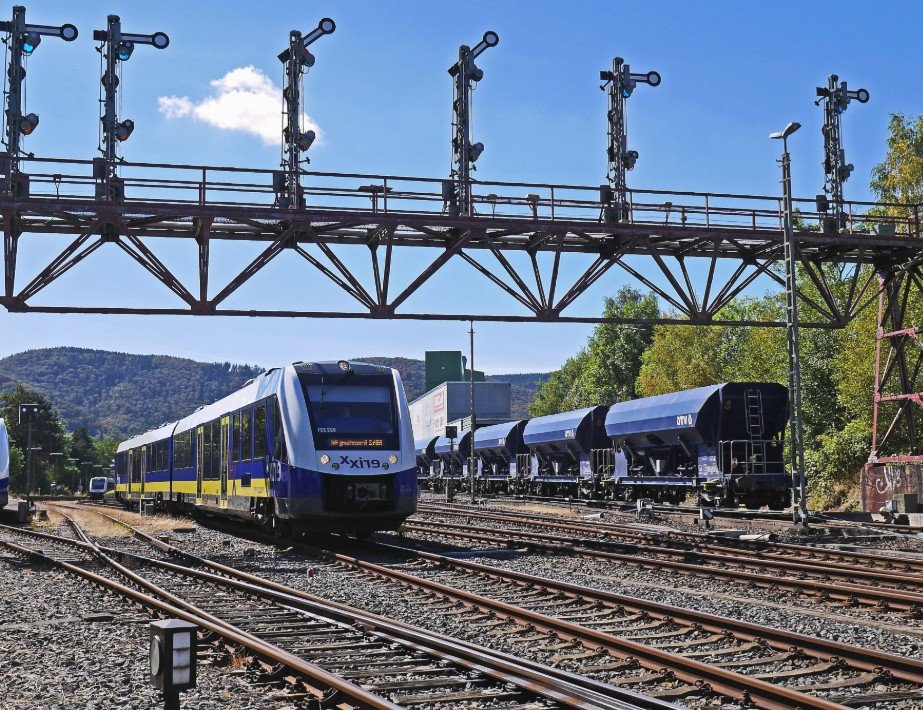
Prime Minister Kobakhidze instructed Georgian Railways to handle the shipment free of charge. This one-time waiver aims to support peace and demonstrate Georgia’s role as a neutral partner.
Officials emphasized Georgia’s commitment to regional stability. The decision was shared with both countries, underscoring Tbilisi’s position as a bridge in the South Caucasus.
This aligns with Georgia’s history of facilitating trade, such as the Baku-Tbilisi-Kars railway, which has boosted freight since its 2017 launch. In 2025, the line’s capacity reached 17 million tons annually, aiding economic links.
Claims from Azerbaijani Media
Azerbaijani outlets like Minval and Caliber accused Georgia of inflating prices to $92 per ton, far above usual fees. They suggested this could harm peacemaking momentum in the region.
One report described rude treatment of Azerbaijani truckers at borders, with delays and mocking questions about infrastructure like the Zangezur corridor. Authors linked this to Georgia’s warming ties with Russia.
These claims reflect frustrations over logistics. For context, standard transit fees for similar routes average around $2 to $5 per ton, based on regional trade data.
Despite the criticism, no official Azerbaijani government statement confirmed the high fees, suggesting media exaggeration. Armenia confirmed discussions with Georgia, welcoming the free transit.
- Key media accusations include deliberate delays to sabotage Azerbaijan-Armenia deals.
- Reports highlight border incidents, like extended waits for drivers.
- Some articles warn of potential shifts in regional alliances if issues persist.
Regional Implications for Peace and Trade
This free transit could mark a turning point in South Caucasus relations. After years of conflict, including the 2020 Nagorno-Karabakh war, small steps like fuel and wheat shipments build trust.
Economically, Armenia gains affordable energy, while Azerbaijan expands exports. Georgia benefits from stronger ties, potentially increasing its transit role.
Experts note this fits into global trends, with energy trade rising amid 2025’s oil price fluctuations. Brent crude averaged $80 per barrel this year, making regional deals attractive.
However, challenges remain. Border disputes and infrastructure gaps, like the closed Kars-Gyumri-Tbilisi line since 1993, limit full connectivity.
A table below outlines recent cross-border initiatives in the region:
| Initiative | Date | Details | Impact |
|---|---|---|---|
| Wheat Shipment | November 2025 | 1,048 tons from Azerbaijan to Armenia via Azerbaijan | Boosted food security |
| Fuel Transit Waiver | December 2025 | One-time free rail from Azerbaijan to Armenia via Georgia | Eases energy access |
| Baku-Tbilisi-Kars Expansion | Ongoing 2025 | Capacity to 17 million tons | Enhances freight links |
| Peace Talks | November 28, 2025 | Azerbaijan-Armenia meeting on exports | Promotes economic ties |
Future Prospects and Challenges
Looking ahead, this could lead to more regular transits if successful. Georgia’s waiver might encourage negotiations for standard fees, fostering long-term cooperation.
Yet, political hurdles persist. Azerbaijani media’s harsh tone suggests underlying tensions, possibly tied to Georgia’s domestic politics after its 2024 elections.
Armenian officials view this positively, aligning with EU-supported regional projects. In 2025, the EU allocated funds for South Caucasus infrastructure, including rail upgrades.
Logical reasoning points to mutual benefits: reduced transport costs could lower fuel prices in Armenia by up to 10 percent, based on similar regional trades.
If you found this article insightful, share it with others interested in global affairs and drop a comment below on what you think this means for South Caucasus peace.