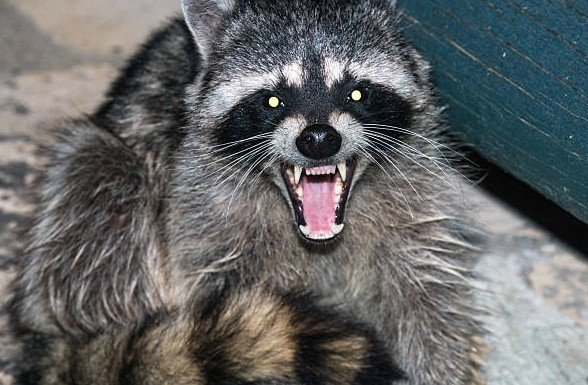
A man in Cherokee County, Georgia, tried to save an injured raccoon he found on the road, but the animal bit him multiple times during the rescue effort. The incident happened over the weekend in late November 2025, leading to the man’s hospital visit for possible rabies exposure after tests confirmed the raccoon had the deadly virus.
This story highlights the dangers of handling wild animals, even with good intentions. Officials from a local nature center shared details to warn others about the risks involved.
What Happened During the Rescue
The man spotted the raccoon making noises in the middle of the road and thought it needed help. Without a proper container, he wrapped the animal in his coat and held it close to his chest while driving more than an hour to a nature center.
During the drive, the raccoon broke free and bit him on the face and hands. He stopped at home to secure it in a blanket with duct tape before continuing.
When he arrived at the center, staff convinced him to seek medical care. The raccoon was later euthanized and tested positive for rabies.
This event unfolded just before a children’s camp started at the center, adding urgency to the situation. Staff acted quickly to secure the animal and protect visitors.
The Dangers of Rabies Exposure
Rabies is a serious virus that spreads through bites or scratches from infected animals. Once symptoms appear, it is almost always fatal, making quick treatment essential.
In this case, the man delayed giving his real name and contact details, which complicated follow-up care. A family member later provided accurate information to help with tracing.
Health experts stress that post-exposure treatment, including vaccines and shots, can prevent the disease if given soon after a bite. Delays can lead to severe outcomes.
Recent data from Georgia health officials show rabies cases in wildlife are on the rise. For example, in 2025 alone, several counties reported positive tests in animals like raccoons and foxes.
- Common carriers of rabies in Georgia include raccoons, bats, skunks, and foxes.
- Symptoms in humans may include fever, headache, and confusion, progressing to hallucinations and paralysis.
- Treatment involves a series of shots over two weeks, starting as soon as possible after exposure.
Why Handling Wild Animals is Risky
Wild animals like raccoons can seem harmless when injured, but they often carry diseases. This man’s good deed turned dangerous because he lacked proper equipment and knowledge.
Nature centers and wildlife experts advise against direct contact. Instead, people should call professionals for help.
In this incident, the nature center is not equipped to handle mammals, which added to the challenges. Staff had to manage the situation carefully to avoid further risks.
Logical reasoning suggests that stress from handling can make animals more aggressive. Combined with possible illness, this increases bite chances.
Other recent events in Georgia underline these risks. In July 2025, a raccoon in Spalding County tested positive after biting a woman, marking the second case there that year.
Recent Rabies Cases in Georgia
To put this incident in context, rabies remains a concern in the state. Health departments track cases to inform the public.
Here is a table summarizing some reported rabies incidents in Georgia for 2025:
| Month | County | Animal Involved | Outcome |
|---|---|---|---|
| July | Spalding | Raccoon | Positive test after bite |
| August | Various | Bats | Multiple exposures reported |
| November | Cherokee | Raccoon | Bite during rescue, confirmed rabies |
| October | Fulton | Fox | Euthanized after unusual behavior |
These cases show a pattern in wildlife, especially in suburban areas where human-animal interactions increase.
Experts note that warmer weather in 2025 may have led to more sightings, boosting exposure risks.
Prevention Tips for Wildlife Encounters
Preventing rabies starts with awareness. Avoid approaching or touching wild animals, even if they appear hurt.
If you see an injured animal, contact local animal control or a licensed rehabilitator right away. Do not try to transport it yourself.
Keep pets vaccinated, as they can also contract and spread the virus. Regular check-ups help maintain protection.
Educate children about these dangers, especially in areas with active wildlife.
By following these steps, people can reduce risks and protect both themselves and animals.
This story serves as a reminder of nature’s unpredictability. Share your thoughts or similar experiences in the comments below, and pass this article along to raise awareness about rabies prevention.