Gautam Adani’s ambitious $1.2 billion copper smelter in Gujarat, India, is struggling to ramp up production due to a severe global shortage of copper ore. Launched in June 2025 after several delays, the facility run by Kutch Copper Limited has only imported a small fraction of the raw materials it needs, highlighting broader supply chain issues in the metal industry.
Project Background and Launch
The Kutch Copper plant stands as one of the world’s largest single-location copper smelters, with an initial capacity of 500,000 tons per year. Adani Enterprises built this massive facility in Mundra, Gujarat, as part of India’s push to boost domestic metal production and cut down on imports.
Construction began years ago, but the project faced setbacks from regulatory hurdles and supply issues. By mid-2025, operations finally started, aiming to meet growing demand from sectors like electronics, construction, and renewable energy. Plans are in place to expand capacity to one million tons within four years, positioning India as a key player in global copper markets.
This move aligns with India’s broader economic goals, including self-reliance in critical minerals. The smelter uses advanced technology to process copper concentrate into refined metal, supporting jobs and infrastructure growth in the region.
Current Operational Challenges
Right now, the plant operates far below its full potential. Customs data shows it has brought in less than 10 percent of the required copper ore since starting up. This shortfall stems from tight global supplies, forcing the company to run at a fraction of capacity.
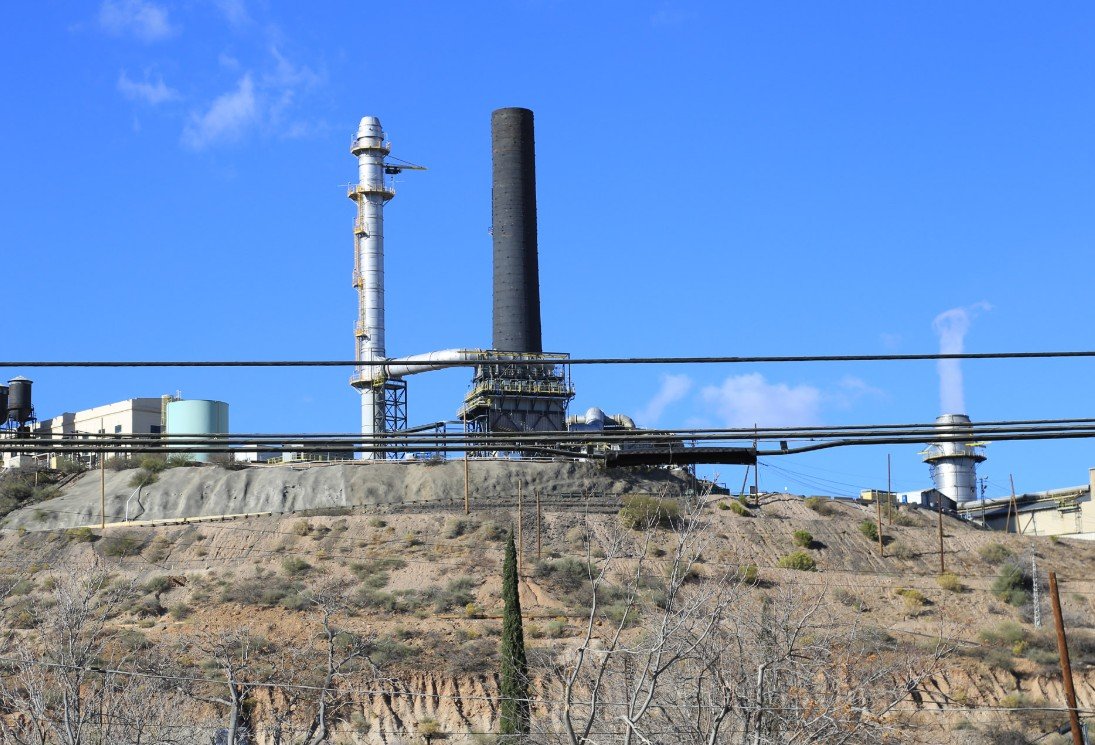
Higher costs come with this low output. Maintaining the facility without full production eats into profits, and the ramp-up process stretches longer than expected. Company officials have noted difficulties in securing steady ore imports amid competition from other nations.
To cope, Kutch Copper signed deals like a memorandum of understanding with an Australian mining project for up to 71,000 tons of copper annually. Yet, these steps have not fully solved the immediate shortages.
Mine disruptions worldwide add to the woes. Closures in places like Panama and production cuts in South America have slashed available supply, making it hard for new smelters like this one to get what they need.
Reasons Behind the Global Copper Ore Shortage
A mix of factors drives the current copper crunch. Mining output has not kept pace with rising demand from electric vehicles, renewable energy projects, and infrastructure booms.
Here are some key reasons for the shortage:
- Disruptions at major mines, including forced closures due to environmental concerns and labor issues.
- China’s rapid expansion of smelting capacity, which soaks up a large share of global ore supplies.
- Underinvestment in new mining projects over the past decade, leading to depleted reserves.
- Geopolitical tensions affecting trade routes and export policies from top producers like Chile and Peru.
Projections show the deficit could widen. By 2026, the world might face a shortfall of nearly 600,000 tons, growing to over a million tons soon after. This squeeze pushes ore prices higher, impacting industries reliant on copper.
Impact on India’s Metal Industry
India’s copper needs are soaring, driven by construction, power grids, and manufacturing. The country imports most of its copper, making it vulnerable to global price swings and shortages.
Adani’s smelter was meant to ease this reliance, but the ore crunch delays those benefits. Local producers now face higher costs and potential supply gaps, which could slow down key projects in renewable energy and transportation.
On a positive note, this situation spotlights opportunities for India to invest in domestic mining. The government has pushed for exploration in states like Rajasthan and Madhya Pradesh to build local reserves.
| Year | Projected Global Copper Deficit (Tons) | Key Contributing Factors |
|---|---|---|
| 2025 | 300,000 | Mine closures in Latin America |
| 2026 | 600,000 | Increased demand from EVs |
| 2027 | 1,000,000 | China’s smelting growth and low investments |
| 2028 | 1,200,000 | Ongoing geopolitical issues |
This table illustrates the growing gap based on industry forecasts, underscoring the long-term challenges.
Broader Economic Implications
The ore shortage ripples beyond Adani’s project, affecting global markets. Copper prices have climbed in recent months, adding pressure on economies transitioning to green energy.
For instance, the push for electric vehicles requires massive copper amounts for batteries and wiring. Shortages could delay these efforts, impacting climate goals worldwide.
In India, this ties into recent events like the government’s focus on critical minerals in the 2025 budget. Experts warn that without quick action, such as international partnerships or recycling boosts, the deficit might persist.
Companies like Adani are exploring alternatives, including sourcing from new regions and improving efficiency. Yet, the path ahead looks tough, with analysts predicting sustained high prices through 2026.
Future Outlook and Strategies
Looking ahead, Adani aims to overcome these hurdles by diversifying suppliers and pushing for faster expansion. The company applied for London Metal Exchange listing in 2025, which could open doors to better global trade networks.
Industry watchers expect some relief if new mines come online in Australia and Africa. However, demand from emerging tech like AI data centers might keep supplies tight.
For India, building stockpiles and investing in sustainable mining could help. Partnerships with ore-rich nations offer another way forward.
What do you think about this copper shortage and its effects on global trade? Share your thoughts in the comments below, and pass this article along to spark discussions among your network.