A major shift in federal rules is set to ban most THC products made from hemp, shaking up businesses across Georgia. This change, tucked into a bill to end the recent government shutdown, takes effect in November 2026 and could wipe out jobs and boost illegal sales.
What the New Law Changes
Congress passed a funding bill in November 2025 that redefines hemp under the farm bill. The update caps THC levels in hemp products at very low amounts, making many popular items illegal.
This move closes a loophole from the 2018 farm bill that let hemp-derived THC products flood the market. Items like drinks, gummies, and Delta-8 vapes, which Georgia stores sell freely now, will face a nationwide ban.
Lawmakers who backed the change argue these products lack strong safety checks. They point to risks like uneven potency and health issues from unregulated use.
The ban gives businesses a one-year grace period to adjust. But without new state or federal fixes, many could shut down.
Impact on Georgia’s Economy
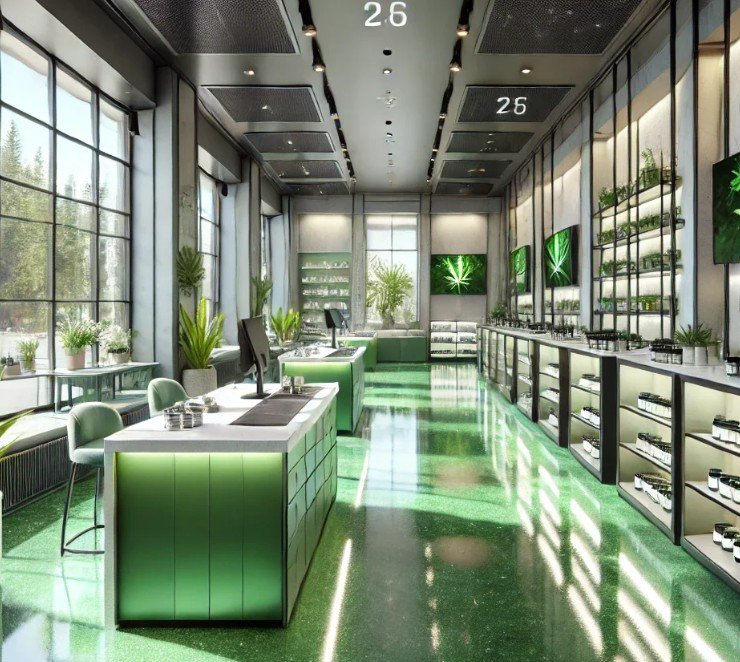
Georgia’s hemp industry has grown fast, with shops popping up in cities like Atlanta and Acworth. Owners report a rush of customers stocking up before the rules kick in.
One business leader said sales have spiked as people worry about losing access to these aids for pain, sleep, and stress. The state could see thousands of jobs lost in farming, processing, and retail.
Experts estimate the national hemp market at $28 billion, with Georgia holding a solid share. A ban might push demand to the black market, raising safety concerns and hurting legal sellers.
Local farmers who switched to hemp for better profits now face uncertainty. Some may pivot to other crops, but that takes time and money.
- Hemp-derived THC drinks: Popular in stores and bars, these could vanish from shelves.
- Gummies and edibles: Often used for wellness, they make up a big chunk of sales.
- Vapes and oils: These face the strictest limits under the new THC cap.
Reactions from Business Owners
Store owners in Georgia are voicing frustration over the sudden change. Many feel blindsided by how the ban slipped into a must-pass funding bill.
A co-founder of a Georgia hemp company shared that customers are turning to them for relief from anxiety and pain. He warns the ban could create a void, leading more people to riskier options.
Industry groups are pushing back, calling for tweaks to allow low-THC products. They argue the rules ignore hemp’s benefits and favor big cannabis firms.
Protests and petitions have popped up online, with some predicting mass layoffs. One estimate puts national job losses at over 200,000, including many in states like Georgia.
Health and Safety Debates
Supporters of the ban stress the need for better oversight. They say unchecked hemp products have caused problems, like accidental highs or contaminated batches.
On the flip side, users praise these items as safer alternatives to traditional marijuana. In Georgia, where medical cannabis is limited, hemp fills a gap for many.
Health experts note that while THC can help with some conditions, low regulation means risks. The new law aims to protect consumers by aligning hemp with stricter drug rules.
| Aspect | Current Status | After Ban (Nov 2026) |
|---|---|---|
| THC Limit per Product | Up to 0.3% in hemp plant, but loopholes allow higher in derivatives | Capped at 0.4 mg total THC per container |
| Product Availability | Widely sold in stores, online | Most intoxicating items banned federally |
| Economic Impact in Georgia | Supports farms, shops, $200M+ industry | Potential closures, shift to black market |
| Consumer Access | Easy for adults | Limited to non-intoxicating CBD only |
What’s Next for Georgia
State leaders could step in with their own rules to soften the blow. Georgia’s Hemp Farming Act already sets some limits, but it might need updates to match federal changes.
Advocates hope for quick action from lawmakers to save jobs and keep safe products available. Without it, the industry faces a tough road ahead.
In the meantime, businesses are adapting by exploring non-THC options like pure CBD. But many worry that won’t replace the lost revenue.
As this story unfolds, share your thoughts in the comments below. Have you used hemp products? Let us know how this ban might affect you, and pass this article along to friends in Georgia.