Snow flurries swept through north Georgia on November 11, 2025, causing school closures and slick roads in areas like Union County. Residents face rising heating bills amid this early cold snap, but simple steps can cut costs while staying warm.
This unexpected snowfall, the first of the season, excited locals but raised concerns about energy expenses. Georgia Power experts warn that heating can account for half of a home’s energy use, making smart habits essential right now.
Early Snow Surprises North Georgia
Blairsville resident Gerry Shaun Brown shared his shock at seeing snow so soon, saying he has never witnessed it this early. The light flurries did not pile up enough for snowmen, but they led to virtual classes or cancellations in several school districts.
Moisture from Monday night created hazardous conditions on roads like Ivylog Creek Bridge and Blood Mountain. Local officials urged caution as temperatures dropped below freezing overnight.
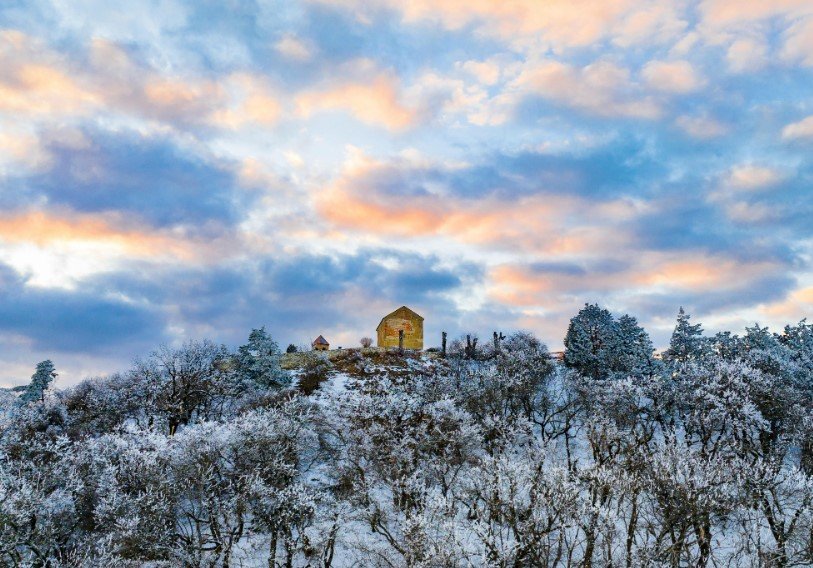
Forecasters predict more cold weather in the coming days, with northeast Georgia under a winter weather advisory until Tuesday morning. This event ties into broader patterns of unpredictable winter starts across the Southeast.
Communities are adapting quickly, with some turning to social media for updates on road safety and weather prep. The early chill serves as a reminder to winterize homes before harsher conditions arrive.
How Cold Weather Drives Up Bills
Heating demands spike during snaps like this, pushing average monthly bills higher. In Georgia, winter heating costs for natural gas users can reach around $150 to $200 per month for a typical home, based on recent energy reports.
This year’s early snow adds pressure, especially after last winter’s polar vortex that inflated expenses for many. Families still recovering from economic challenges feel the pinch most.
Energy experts note that inefficient homes lose heat through drafts, leading to overuse of furnaces. Without proper maintenance, systems work harder and cost more to run.
Recent data shows Georgia households spend about 50 percent of their energy budget on heating and cooling combined. With natural gas prices fluctuating, small changes now can prevent bill shocks later.
Georgia Power’s Top Saving Tips
Georgia Power spokesperson Alicia Brown advises against turning systems off completely, as restarting them wastes energy. Instead, keep thermostats steady at 68 degrees Fahrenheit for optimal efficiency.
Regular tasks like changing air filters help systems run smoothly and reduce strain. Brown stresses that a well-maintained setup prevents the need for overwork during cold spells.
The company monitors weather closely to ensure the grid handles increased demand. They offer programs for rebates on energy-efficient upgrades, helping customers save long-term.
Here are some quick tips from energy pros:
- Set your thermostat to 68 degrees or lower when home, and drop it further at night.
- Use ceiling fans on low to circulate warm air downward.
- Seal windows and doors with weather stripping to block drafts.
- Open curtains during the day for natural heat, then close them at night.
Practical Ways to Insulate Your Home
Start with basic insulation checks in attics and walls to trap heat inside. Adding foam pipe covers prevents freezing and bursts, which can lead to costly repairs.
For plumbing, let faucets drip slightly on very cold nights to avoid frozen lines. This simple trick has saved many Georgia homes from winter damage.
Consider energy audits offered by local utilities; they pinpoint weak spots like poor seals around outlets. Upgrading to double-pane windows can cut heat loss by up to 30 percent.
| Insulation Type | Estimated Cost Savings | Installation Ease |
|---|---|---|
| Attic Insulation | 20-30% on heating bills | Moderate, DIY possible |
| Pipe Wrapping | 10-15% on water heating | Easy, quick setup |
| Door Weather Stripping | 5-10% overall energy | Very easy, low cost |
| Window Film Kits | 15-25% heat retention | Simple, temporary fix |
This table highlights common options with real savings potential, based on utility studies.
Many residents share success stories of layering rugs on floors for extra warmth without cranking the heat.
Long-Term Strategies for Winter Savings
Switching to natural gas appliances can save households hundreds annually compared to electric options. Data from energy associations shows average yearly savings of about $879 for gas users.
Invest in programmable thermostats that adjust automatically, potentially trimming bills by 10 percent. Pair this with solar blankets or heated throws for spot warmth.
Community programs provide low-income assistance for weatherization, ensuring everyone can afford to stay warm. Look into federal incentives for home upgrades that pay off over time.
Recent events, like the 2024 polar vortex, taught lessons on preparedness, leading more people to adopt these habits early.
Explore alternative fuels like propane for efficient heating in rural areas. Combining these with smart home tech creates a resilient setup against cold waves.
Community Voices and Final Advice
Locals on social platforms share prep ideas, from disconnecting hoses to insulating outdoor spigots. One user highlighted how oil heaters provide targeted warmth without spiking bills.
Another tip circulating involves planting evergreens as windbreaks to shield homes from gusts. These natural barriers reduce heat loss over time.
As north Georgia braces for more winter weather, these strategies offer real relief. Stay informed through local alerts and adjust habits as needed.
Share your own heating hacks in the comments below, and pass this article along to friends facing the cold. Your input could help others save big this season.