Georgia families are reeling from a sudden halt in SNAP benefits due to the ongoing federal government shutdown. As of November 1, 2025, more than 1.4 million residents, including over 600,000 children, lost access to this vital food aid, forcing many to turn to overwhelmed food pantries in places like Macon.
Families Face Hunger Amid Uncertainty
Travis Barnhill, a full-time nursing assistant in Macon, checked his SNAP card on Saturday morning and found nothing. He supports his wife and 10 children through multiple jobs, including donating plasma and mowing lawns, but SNAP has been key to putting food on the table.
Without warning, the benefits stopped. Barnhill reached out to his case manager, who had no clear answers. This story echoes across Georgia, where the shutdown, now in its 32nd day, has frozen federal funding for the program.
Two federal judges ruled that the administration must use emergency funds to keep payments going, yet delays persist. Officials say the holdup stems from political battles in Washington over broader spending issues.
For many, this means tough choices. Parents skip meals to feed kids, and seniors stretch limited budgets. In Bibb County alone, about 40,000 people feel the pinch.
Food Pantries Overloaded in Macon
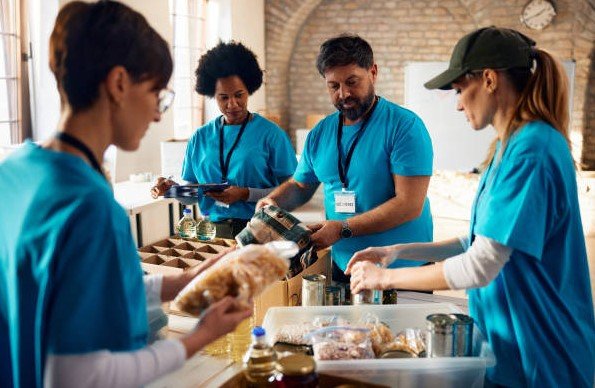
In East Macon, Grace Missionary Baptist Church runs a food pantry that served 110 families in one day last weekend. Pastor Dennis Magsby said shelves are emptying fast, with meat freezers bare and donations down.
The surge comes as no surprise. Local pantries braced for this after warnings about the shutdown’s impact. Yet, the reality hits hard, with lines growing longer each day.
Vidette Brown, a volunteer at the pantry, knows the struggle. She relied on SNAP last year and now helps others. Her own benefits vanished this month, making her worry about the coming weeks.
Other pantries report similar scenes. Volunteers work extra hours, but supplies dwindle. Community groups call for more donations to bridge the gap.
- Canned goods like vegetables and soups are in high demand.
- Non-perishables such as pasta and rice help families stretch meals.
- Fresh produce donations provide essential nutrition for children.
Broader Impact on Georgia Communities
The shutdown affects more than just food. It ripples through local economies, with grocery stores seeing fewer sales and farmers markets feeling the strain. In rural areas, where SNAP use is higher, the loss hits even harder.
Experts from groups like the Center on Budget and Policy Priorities warn of long-term effects. Hunger can lead to health issues, poor school performance, and increased stress for families.
State leaders debate stepping in. Governor Brian Kemp said Georgia won’t bail out the federal government, leaving many without options. Some lawmakers push for state funds, but no action yet.
Recent data shows SNAP aids about one in eight Georgians. In May 2025, the average benefit was $6 per person daily, totaling $384 per household monthly. Now, that support is gone.
Protests have popped up, like a rally at the state capitol urging action. Community efforts, such as grocery buddy programs, offer some help by sharing costs or donating cards.
Political Battles Fuel the Crisis
The root cause traces back to Washington disputes. Senators from Georgia voted against funding bills, citing issues like healthcare for immigrants. Critics say this puts vulnerable residents at risk.
President Trump’s administration faces court orders to resume payments, but officials warn of delays. The shutdown, starting in October 2025, has already furloughed workers and closed services.
Similar shutdowns in the past, like in 2019, disrupted SNAP briefly but got resolved. This time, with no end in sight, families worry about months without aid.
Food banks nationwide sound alarms. They aren’t built to replace government programs and fear they can’t keep up.
| Key SNAP Statistics in Georgia (2025) | Details |
|---|---|
| Total Recipients Affected | 1.4 million |
| Children Impacted | Over 600,000 |
| Average Monthly Benefit per Household | $384 |
| Daily Benefit per Person | $6 |
| Counties Hardest Hit | Bibb, Fulton, DeKalb |
What Happens Next for Affected Families
Options are limited, but some steps can help. Families can apply for local aid through churches or nonprofits. Schools offer free meals for kids, and some states explore emergency funds.
Experts advise checking updates from the USDA website or local offices. Community drives aim to collect food and funds to ease the burden.
As the shutdown drags on, pressure builds for a resolution. Families like Barnhill’s hope for quick action to restore benefits.
If this story resonates with you, share it with friends or comment below on how the shutdown affects your community. Your voice can help highlight the need for change.