Vancouver is set to transform its skyline with a bold rezoning plan for three massive towers at West Georgia and Abbott streets. The Holborn Group submitted the application in 2025, aiming to build Western Canada’s tallest structures in a mixed-use project that includes homes, a hotel, and public spaces.
This development comes as the city pushes for more housing and economic growth amid a booming population. With Vancouver’s housing crunch and tourism rebound, the project addresses key needs by adding thousands of residences and jobs near major transit hubs.
Project Highlights and Goals
The rezoning targets sites at 501 and 595 West Georgia Street, plus 388 Abbott Street. It promises to deliver 1,939 new homes, a 920-room hotel, and 70,000 square feet of conference space.
City leaders see this as a way to boost the central business district. The plan aligns with Metro Vancouver’s goals for more jobs, hotel rooms, and diverse housing options like social units, rentals, and condos.
Holborn has worked on this for eight years, facing earlier pushback. Now, with relaxed view corridor rules in 2024, taller buildings are possible, marking a shift in urban planning.
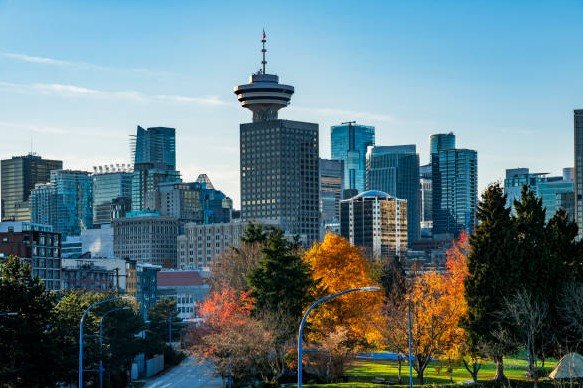
Recent approvals in Vancouver show a trend toward high-rises. For example, in early 2025, the city greenlit 13 towers with 3,100 homes, focusing on transit-oriented growth.
Details on the Three Towers
The star is the 79-storey tower at 595 West Georgia Street, reaching 1,033 feet. It will house long-term and short-term hotel stays, topped by a restaurant and public observation deck.
A 68-storey tower adds more hotel and mixed uses, while the 63-storey one focuses on residences. Together, they outpace current records; Vancouver’s tallest now is the 659-foot Living Shangri-La from 2010.
The 388 Abbott Street site features a 402-foot tower with an eight-storey podium. It includes 378 social housing units and a childcare facility, fully city-owned.
Ground floors will host a gallery for Musqueam, Squamish, and Tsleil-Waututh artists, plus studios. This ties into reconciliation efforts, blending culture with modern living.
Unique Design Inspired by Nature
Architects drew from British Columbia’s glass sea sponge reefs for the towers’ look. These ancient ocean structures symbolize strength and eco-friendliness, shaping the buildings’ sculptural forms.
The design aims for net-zero carbon operations, using smart tech for energy efficiency. This fits Vancouver’s push for green buildings, seen in projects like the 2024 Butterfly tower.
Renderings show distinct silhouettes that mimic sponges and coral. Experts say this approach makes the towers stand out while promoting sustainability in vertical urban spaces.
PFS Studio handles landscaping, ensuring public areas feel welcoming. The team includes pros like Gregory Henriquez, known for innovative Vancouver designs.
Community and Public Benefits
This project brings big wins for locals. It includes Indigenous-led art and major amenities, creating vibrant spots in downtown Vancouver.
Housing variety helps tackle the affordability crisis. With 378 social units, it supports low-income families, echoing recent rezonings like the Broadway Plan’s mass approvals.
Public spaces feature cafes, restaurants, and conference areas. A rooftop deck offers stunning views, drawing tourists and boosting safety through more foot traffic.
Key community features include:
- Childcare facility for working parents.
- Artist studios to foster local talent.
- Gallery space honoring First Nations cultures.
- Observation deck open to all visitors.
Economic Boost and Job Creation
The $2.8 billion project is a job machine. It will create thousands of construction roles and permanent positions in hospitality and retail.
By adding hotel rooms and conference space, it targets Vancouver’s tourism growth. The city saw record visitors in 2024, and this could add millions to the economy yearly.
It acts as a catalyst for downtown revival. More residents and workers mean busier streets, helping small businesses recover from past slowdowns.
Compare the scale with other 2025 developments:
| Site | Height (Feet) | Storeys | Main Use |
|---|---|---|---|
| 595 W Georgia | 1,033 | 79 | Hotel with observation deck |
| Adjacent Tower | ~900 | 68 | Mixed hotel and residential |
| 388 Abbott | 402 | 38 | Social housing and gallery |
| Another Tower | ~800 | 63 | Residential condos |
This table shows how the towers stack up, with the supertall leading the pack.
Experts predict ripple effects, like increased transit use near SkyTrain stations. Similar projects in 2023 mandated tall builds around transit, speeding up growth.
Challenges and Next Steps
Not everyone is on board. Past proposals faced city resistance over height and heritage concerns, like the demolished building on site.
Critics worry about shadows and traffic, but supporters point to benefits outweighing downsides. Public hearings, like the Broadway Plan’s in September 2025, show community input shapes outcomes.
The rezoning process continues, with potential approval by late 2025. If greenlit, construction could start in 2026, reshaping Vancouver’s skyline for decades.
What do you think about this massive development? Share your views in the comments and spread the word to keep the conversation going.