A tragic stampede at India’s Maha Kumbh Mela has resulted in the deaths of at least seven people and left around ten others injured. The disaster unfolded in Prayagraj, Uttar Pradesh, during one of the festival’s most crucial moments—the “Shahi Snan,” or royal bath, which attracts millions of Hindu devotees each year.
The stampede occurred in the early hours of January 29, 2025, as devotees surged toward the banks of the river to take part in a ritualistic holy dip. Authorities had anticipated record-breaking attendance at this year’s Maha Kumbh Mela, with more than 100 million people expected to participate over the course of the festival’s six-week duration. However, the overwhelming crowds resulted in chaos and tragedy.
A Moment of Devotion Turned Deadly
Eyewitnesses described harrowing scenes of panic as people were trampled in the stampede. One woman shared a devastating account, saying, “People kept stepping on us. I am safe but my mother has died.” This personal tragedy reflects the widespread horror that unfolded on the riverbanks, where people were desperate to fulfill their religious duties.
The stampede took place near the arena of the ascetics, where barricades had been set up to manage the throngs of people. The presence of these barriers, meant to ensure order, may have inadvertently contributed to the fatal crush, as devotees found themselves pushed into tight, dangerous spaces.
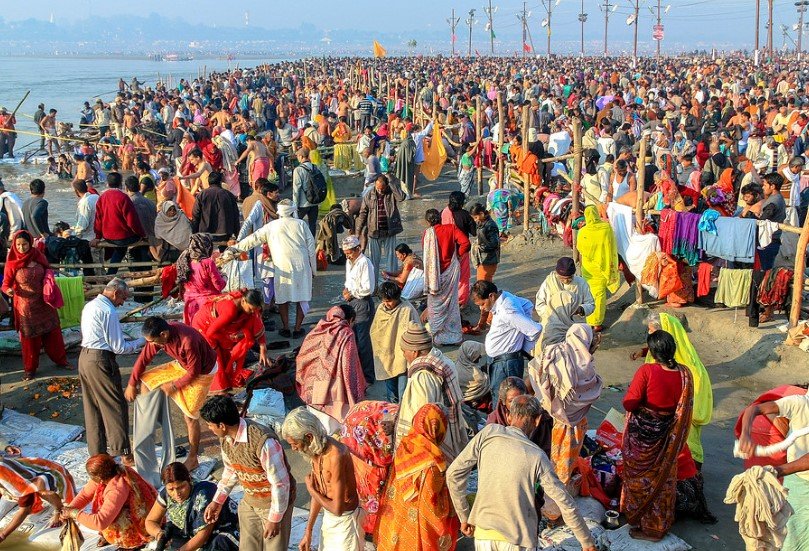
Authorities had been bracing for large crowds, but even they were shocked by the magnitude of the tragedy. Chief Minister Yogi Adityanath, who oversees Uttar Pradesh, confirmed the deaths and assured the public that investigations would be conducted to determine the cause of the disaster. “We will look into the reasons for this incident,” he stated.
Political Fallout and Blame for ‘Mismanagement’
As the dust settles on the tragedy, political leaders have begun to point fingers, with opposition parties accusing the local government of mismanagement. They argue that the tragedy could have been prevented with better crowd control measures. With millions attending religious festivals across India, the challenge of managing such massive crowds is always daunting. Still, many believe the scale of this year’s event may have exceeded preparations.
Opposition leaders have called for a thorough inquiry into the causes of the stampede, emphasizing that the loss of life was avoidable. “This could have been prevented with better planning and precautionary measures,” one opposition figure said.
The Sacred Gathering and Its Risks
The Maha Kumbh Mela, considered one of the world’s largest religious gatherings, draws millions of devotees every year. The festival, held every 12 years at four locations in India, sees people from all over the world come together to bathe in the holy waters of the Ganges, Yamuna, and other rivers. This act of purification is believed to absolve sins and bring spiritual liberation.
However, the sheer scale of the event has often led to dangerous situations, particularly during the most auspicious bathing days like the Shahi Snan. While religious fervor and devotion are at the heart of the festival, it’s clear that the enormous crowds can pose significant risks to safety, especially when safety measures aren’t strictly enforced or when unexpected surges in the number of participants occur.
What Went Wrong?
Crowd control remains a challenge for the event organizers every year. While barricades and crowd management techniques are standard, the stampede in Prayagraj raises questions about whether these methods are sufficient. With an estimated 100 million attendees, it’s evident that the authorities were prepared for large crowds, but the overwhelming numbers may have contributed to an uncontrollable situation.
Despite the efforts to regulate the flow of people, some witnesses report that the police and organizers were overwhelmed, unable to keep the massive crowds in check during the crucial hours leading up to the royal bath. Many devotees, driven by a mix of spirituality and the desire to bathe at the “right time,” pushed forward recklessly.
A Community Reeling
In the aftermath of the tragedy, Prayagraj and the larger Hindu community are grappling with the loss of lives during what should have been a joyous and sacred occasion. The incident has cast a shadow over the festival, which is meant to bring people together in peace and devotion.
As authorities and political leaders continue to investigate the causes of the stampede, there is an urgent need for reform in how the festival is organized and managed in the future. Safety measures, crowd management strategies, and emergency response protocols must be reevaluated to ensure that such a tragedy never happens again.