
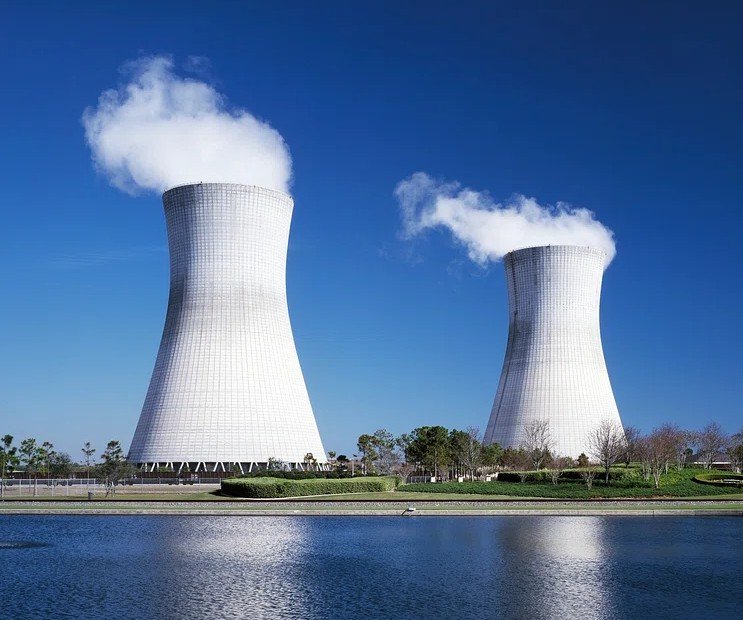
Georgia’s Vogtle nuclear plant expansion, completed in 2024 after massive delays and cost overruns, now stands as the first new U.S. nuclear reactors in over three decades, delivering carbon-free power to meet surging demands from AI data centers. Located near Augusta along the Savannah River, this $34 billion project highlights nuclear energy’s promise for reliable electricity but also exposes its challenges like high costs and safety concerns as tech giants push for more power in 2026.
The Epic Journey to Operation
The Vogtle plant expansion began with high hopes in 2009, aiming to add two new reactors to boost clean energy output. Construction kicked off in 2013, but the project faced repeated setbacks that turned it into a cautionary tale for the nuclear industry.
By 2023, Unit 3 finally started commercial operations, followed by Unit 4 in 2024. These additions make Vogtle the largest nuclear facility in the U.S., capable of powering over 500,000 homes with zero carbon emissions. Officials celebrated this milestone as a rebirth for American nuclear power, especially amid growing energy needs from artificial intelligence.
The plant’s output of about 2.2 gigawatts aligns perfectly with current trends, where data centers alone could demand up to 50 gigawatts nationwide by 2030. This completion comes at a time when utilities scramble to keep up with tech-driven consumption.
Breaking Down the Delays and Overruns
What started as a $14 billion estimate ballooned to $34 billion by project end, driven by mechanical failures, contractor issues, and regulatory hurdles. Westinghouse, the main contractor, filed for bankruptcy in 2017, causing major disruptions and forcing Georgia Power to take over.
Delays stretched the timeline from an expected 2016 finish to 2024, a full seven years late. Problems included faulty coolant pumps, vibrating pipes, and disputes over who would foot the bill. Ratepayers in Georgia felt the sting, with electricity bills rising to cover the extra costs.
Experts point to poor project management and an outdated design process as key culprits. One report noted that building multiple units in sequence could cut future costs by learning from mistakes, but Vogtle’s first-of-a-kind build in decades amplified every error.
Despite the headaches, the plant now operates smoothly, producing over 30 million megawatt-hours annually. This reliability contrasts with intermittent sources like solar or wind, making nuclear a steady option for baseload power.
| Year | Estimated Cost (Billion USD) | Actual Milestone |
|---|---|---|
| 2009 | 14 | Project approval |
| 2017 | 25 | Contractor bankruptcy |
| 2021 | 28.5 | Further delays announced |
| 2023 | 34 | Unit 3 operational |
| 2024 | 34 | Unit 4 operational |
Nuclear Power’s Fit for AI Data Centers
As AI explodes in 2026, data centers are gobbling up electricity at record rates, with projections showing U.S. demand doubling by 2030. Tech firms like Microsoft and Google are building massive facilities in states like Georgia, drawn by available power and incentives.
Vogtle’s new reactors provide a clean, constant energy source that matches this need, unlike renewables that fluctuate with weather. Recent federal plans include an $80 billion push for nuclear expansion to support AI growth and energy security.
In Georgia, regulators just approved a huge grid upgrade to serve these centers, but debates rage over who pays. Nuclear steps in as a bridge, offering low-emission power without the fuel price swings of natural gas.
Weighing the Risks of Nuclear Revival
Critics argue nuclear energy carries big dangers, from radioactive waste storage to accident potential. Past events like Chernobyl and Fukushima fuel these fears, even though modern designs like Vogtle’s AP1000 include advanced safety features.
Construction timelines remain a hurdle; Vogtle took over a decade, while data centers need power fast. Environmental groups highlight waste issues, with no permanent U.S. repository yet, leading to on-site storage debates.
On the flip side, supporters note nuclear’s tiny land footprint compared to sprawling solar farms. It also creates high-paying jobs, with Vogtle employing thousands during building and operation.
- Safety upgrades in new reactors reduce meltdown risks by 90% over older models.
- Waste management costs add about 1% to total expenses, but long-term storage remains unresolved.
- Economic benefits include stable energy prices, shielding against global fuel market volatility.
Looking Ahead: Nuclear in a Changing Energy Landscape
With AI driving power needs, nuclear could see a comeback, including small modular reactors that promise faster builds and lower costs. China leads globally with rapid expansions, while the U.S. plans 15 new reactors by 2030.
In Georgia, Vogtle sets a template, but future projects must avoid its pitfalls through better planning and tech. Policymakers eye nuclear as part of a mix with renewables to hit climate goals without blackouts.
This shift comes amid warnings of grid crises from unchecked data center growth. Balancing innovation with reliability will define the next decade.
What do you think about nuclear’s role in powering AI? Share your thoughts in the comments and pass this article along to spark discussion.
