
In a wide-ranging visit across Georgia this week, U.S. Transportation Secretary Sean P. Duffy said the United States is entering what he calls a “golden age of travel” supported by falling costs, infrastructure improvements, and growing demand for domestic travel. His comments reflect both ongoing efforts to boost travel experiences and rising momentum in airline ticket sales and airport modernization, even as challenges persist for the broader tourism sector.
Duffy’s Georgia Tour Reinforces Trump Administration Travel Push
Secretary Duffy’s trip took him from local gas stations to Hartsfield-Jackson Atlanta International Airport, giving him direct conversations with residents, business operators, and travel industry leaders. He said his travel underscored what he described as Americans’ resilient spirit and renewed enthusiasm for travel under the current administration.
At these stops, Duffy highlighted improved affordability for travelers, focusing on gas price reductions, increased access to personal vehicles, and investments in transportation infrastructure as signposts of easier travel across the country. He told Georgians that lower energy costs were putting more money back into families’ pockets.
He also emphasized efforts to make travel more affordable by rolling back certain vehicle mandates and promoting tax credits aimed at lowering the cost of new cars. Duffy said these measures help families afford quality vehicles for travel and daily life.
Safety and Infrastructure: Roads and Skies
While much of the discussion focused on travel costs and industry growth, safety also stood out as a key priority in Duffy’s remarks. He reiterated a renewed crackdown on unsafe drivers and transportation practices, including stronger enforcement on truck driver qualifications. According to Duffy, this effort responds to concerns over highway safety following previous policies he claims weakened standards.
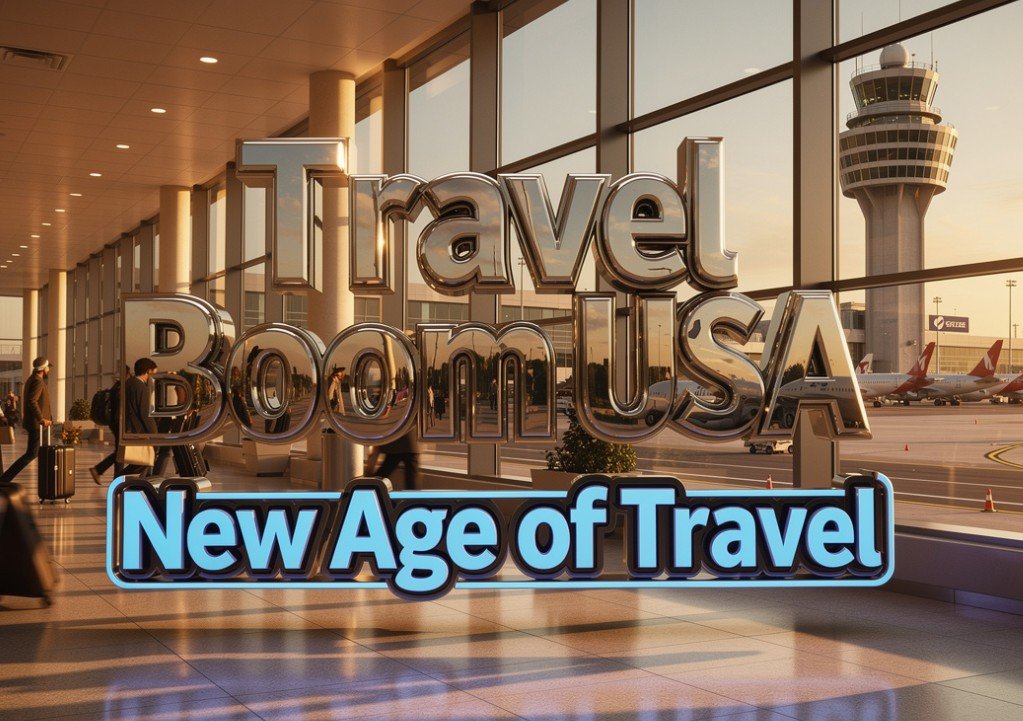
On aviation, Duffy pointed to ongoing modernization efforts at Hartsfield-Jackson Atlanta International Airport, one of the busiest airports in the world. He said federal funds are being used to upgrade air traffic control systems, install new technology, and support more efficient flight operations to improve travel flow.
These efforts are occurring amid a broader backdrop of data showing the transportation sector’s significant role in the U.S. economy. According to the Bureau of Transportation Statistics, transportation services contributed nearly $1.9 trillion or 6.3 percent of the nation’s GDP in 2024.
Travel Demand Surges Despite Mixed Tourism Signals
Duffy’s positive framing comes as the travel industry shows signs of robust activity. January 2026 data from Airlines Reporting Corp. reported more than $10 billion in U.S. travel agency air ticket sales, marking a substantial year-over-year gain and highlighting strong domestic travel interest. Total passenger trips climbed across both domestic and international segments.
Additionally, projections from travel industry groups indicate that spring break travel is expected to reach record levels, with airlines preparing to carry millions of passengers daily between March and April.
But the tourism picture is not uniformly positive. External travel analysts have noted a decline in international visitor numbers in recent months, suggesting that, while domestic travel demand is surging, inbound tourism has not fully recovered from earlier downturns. These trends represent a broader challenge for a travel industry that still aims to attract global visitors at pre-pandemic levels.
Department of Transportation’s Broader Travel Vision
Duffy’s remarks align with broader initiatives by the Department of Transportation to reenergize public enthusiasm for traveling. In late 2025, the department launched a civility and travel improvement campaign titled “The Golden Age of Travel Starts With You,” intended to encourage better traveler behavior and smoother journeys through the system.
This campaign also dovetails with DOT efforts to introduce healthier in-flight options, family-friendly airport upgrades, and infrastructure boosts designed to enhance overall travel experiences.
Transportation officials argue these initiatives support not just tourism but economic growth and quality of life. Investment in digital air traffic control equipment, smoother airport terminals, and safer highways are all part of a broader story of improving travel in the United States, officials say.
Travel Industry Faces Both Promise and Pressure
Even as domestic travel picks up and airports prepare for heavier passenger volumes, the travel ecosystem is not without pressure points. Economic data shows that transportation’s contribution to the economy slightly declined in 2024 compared with previous years, and workforce shortages in certain travel sectors continue to strain operations.
Yet for many travelers and industry stakeholders, the prevailing sentiment remains upbeat. Lower fuel prices, increased flight options, and airport upgrades all contribute to a sense of progress. As airlines prepare for peak travel seasons and transportation leaders push for modernization, the U.S. travel narrative continues to evolve.
Overall, Duffy’s Georgia tour and commentary mirror broader industry indicators suggesting strong travel demand, infrastructure investment, and a concerted effort by federal agencies to support and elevate travel experiences nationwide.
