
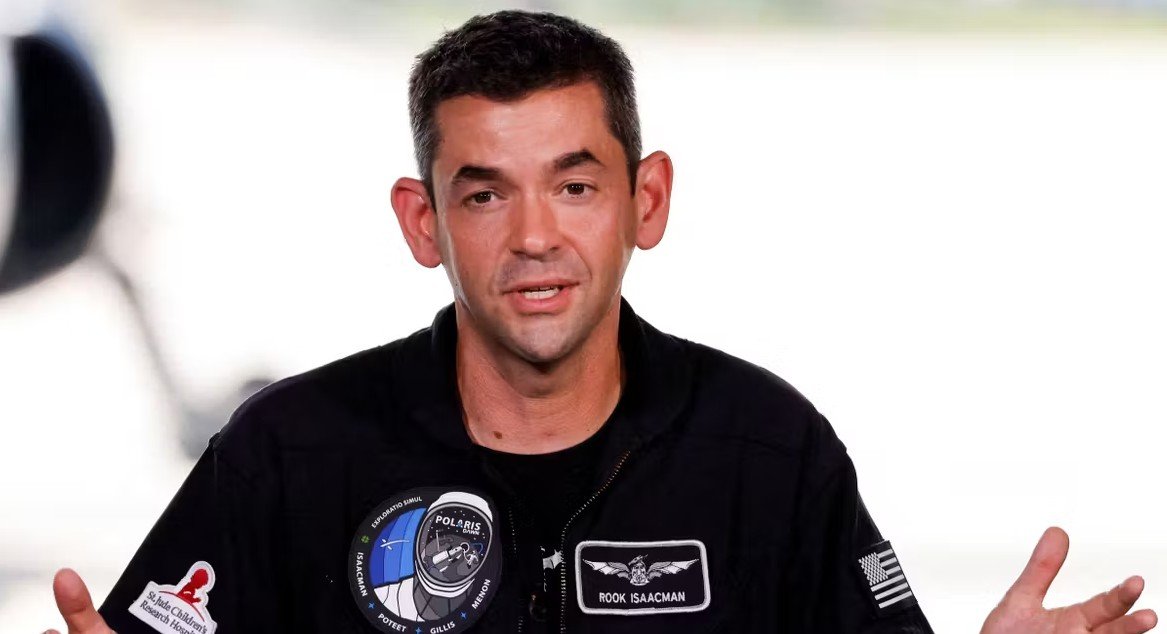
New NASA Administrator Jared Isaacman has announced that the United States will land astronauts on the Moon before President Donald Trump’s current term expires in 2029. This bold goal ties into the Artemis program, aiming to revive human lunar exploration after more than 50 years and unlock new economic and scientific opportunities.
Isaacman’s Vision for Lunar Return
Jared Isaacman, the billionaire entrepreneur and astronaut now leading NASA, shared his plans during a recent interview. He stressed the need to speed up the Artemis missions to meet this timeline. Isaacman pointed out that returning to the Moon will boost national security, science, and the economy.
Artemis 2, the first crewed flight around the Moon since the Apollo era, is slated for launch soon. This mission will test key systems before Artemis 3 lands humans on the lunar surface. Isaacman believes these steps will happen within Trump’s term, building on partnerships with companies like SpaceX and Blue Origin.
Experts say this push could inspire a new generation of space enthusiasts. It also aligns with global competition, as countries like China advance their own lunar plans.
Key Opportunities on the Moon
Isaacman highlighted exciting possibilities for the Moon beyond just landing there. He talked about building infrastructure that could change how we use space. One idea is setting up data centers on the lunar surface, taking advantage of the cold environment for efficient computing.
Another focus is mining Helium-3, a rare gas in the Moon’s soil that could fuel future nuclear fusion reactors. This resource might solve energy challenges on Earth and in space.
NASA plans to establish a permanent Moon base as a stepping stone. This base would support longer stays and serve as a hub for further exploration.
- Data Centers: Low gravity and constant cold could reduce cooling costs for massive servers.
- Helium-3 Mining: Estimates suggest the Moon holds enough to power Earth for centuries.
- Infrastructure Building: Robotic missions will pave the way for human habitats.
Advances in Nuclear Power and Propulsion
Isaacman mentioned investing in nuclear technology for space. This includes small reactors for the Moon base to provide reliable power. Such systems are crucial in the harsh lunar environment where solar power falls short during long nights.
Space nuclear propulsion could cut travel time to Mars and beyond. NASA is exploring these options to make deep space missions safer and faster.
Recent tests show promise. For example, prototypes have demonstrated efficient energy output in simulated space conditions.
This fits into broader goals. Trump’s recent executive order calls for a Moon base by 2030, with nuclear elements playing a key role.
Challenges and Partnerships Ahead
Reaching the Moon by 2028 won’t be easy. Delays in rocket development and spacecraft testing have plagued past efforts. Isaacman aims to streamline processes and cut bureaucracy at NASA.
Partnerships are vital. SpaceX’s Starship and Blue Origin’s New Glenn rockets will handle heavy lifting. These reusable vehicles promise to lower costs and increase launch frequency.
| Mission | Goal | Expected Timeline | Key Partners |
|---|---|---|---|
| Artemis 2 | Crewed orbit around Moon | Late 2026 | NASA, Boeing, ESA |
| Artemis 3 | Human landing on Moon | 2028 | SpaceX, NASA |
| Moon Base | Permanent outpost | By 2030 | Multiple private firms |
| Nuclear Propulsion | Faster deep space travel | Ongoing development | NASA, DARPA |
Budget concerns remain. Congress must approve funding amid competing priorities. Still, Isaacman is optimistic, drawing from his experience in private space flights.
Public support is growing. Polls show most Americans back renewed space exploration for its job creation and innovation benefits.
Global Context and Future Impacts
This Moon push comes as other nations ramp up efforts. China’s Chang’e program has already returned lunar samples, raising the stakes. The US aims to lead in sustainable space presence.
Looking ahead, success here could pave the way for Mars missions. Isaacman echoed ideas from leaders like Elon Musk, who envisions human settlements on the red planet.
Economically, an “orbital economy” could emerge. Industries from tourism to manufacturing might thrive in space.
The announcement ties into recent events, like Trump’s space policy directive emphasizing American leadership. It builds on the Artemis Accords, signed by over 40 countries for peaceful exploration.
Share your thoughts on this lunar comeback in the comments below. What excites you most about returning to the Moon? Spread the word by sharing this article with fellow space fans.
