
The United Kingdom has called on Georgia to cut back on Russian oil imports and block shipments from Russia’s shadow fleet of tankers. This push came on December 19, 2025, right after the UK hit more Russian oil firms with sanctions to squeeze Moscow’s war funding.
UK’s New Sanctions Target Russian Energy
The UK rolled out fresh sanctions on December 18, 2025, aimed at Russia’s oil sector. These measures hit four smaller oil producers, including Russneft, to dry up funds for Russia’s actions in Ukraine.
Officials say this builds on earlier efforts that have already sanctioned all major Russian oil companies. The goal is to limit Russia’s ability to sell oil globally and fund its military.
Experts note that Russian oil revenues have dropped sharply due to these steps. One report shows a 20 percent fall in exports this year alone.
The sanctions also target networks helping Russia dodge rules, like shadowy shipping groups.
Georgia’s Role in Russian Oil Trade
Georgia has seen a spike in Russian oil imports since 2022. The new Kulevi refinery on the Black Sea coast got its first shipment from Russneft in October 2025.
This delivery raised eyebrows because the tanker involved, Kayseri, later landed on the EU’s sanctions list. Georgian leaders claim all deals follow global rules, but concerns linger about re-export risks.
The UK embassy in Tbilisi stressed that Georgia should protect its energy needs without aiding Russia’s war machine. Imports from Russia now make up over 30 percent of Georgia’s oil supply, up from just 10 percent three years ago.
Local voices in Georgia worry this ties the country too closely to Moscow, especially with ongoing territorial disputes.
Here is a quick look at key players in this trade:
- Russneft: Russian firm that shipped oil to Kulevi.
- Kulevi Refinery: New Georgian site processing imported crude.
- Kayseri Tanker: Vessel now under EU sanctions for shadow fleet ties.
What is the Russian Shadow Fleet?
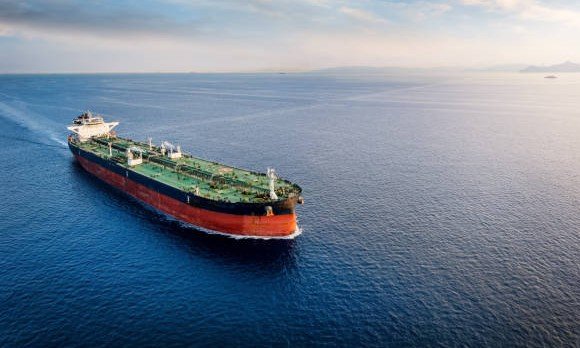
Russia’s shadow fleet consists of old tankers that move oil while ignoring Western sanctions. These ships often lack proper insurance and safety checks, creating hazards at sea.
The fleet has grown to over 600 vessels, hauling billions in oil each year. Many fly flags from countries like Gabon or Panama to hide origins.
Recent data shows this fleet earned Russia about $5 billion in 2025 alone. Sanctions aim to ground these ships by targeting owners and insurers.
Risks include oil spills and navigation dangers. One incident last month saw a shadow tanker collide near the Black Sea, spilling fuel.
| Aspect | Details | Impact |
|---|---|---|
| Fleet Size | Over 600 tankers | Evades price caps on Russian oil |
| Revenue Generated | $5 billion in 2025 | Funds Russia’s military efforts |
| Safety Issues | Poor maintenance, no insurance | Higher risk of accidents and spills |
| Sanctioned Ships | 100+ by UK and allies | Limits global oil transport options |
Global Push Against Sanctions Evasion
Allies like the US and EU have joined the UK in cracking down. The EU added 40 more ships to its list this month, with plans for weekly updates starting in 2026.
Uzbekistan-based firms also faced UK sanctions for aiding Russian oil flows. This shows a wider net to catch helpers in Central Asia and beyond.
Ukraine praised these moves, saying they choke off key revenues. Georgia signed a deal to support Ukraine’s claims commission, showing some alignment with the West.
Public sentiment on social media reflects frustration. Many users call for tougher enforcement to stop loopholes.
Looking Ahead for Energy Security
These sanctions could reshape global oil markets in 2026. Prices might rise if Russian supply tightens, affecting consumers worldwide.
For Georgia, diversifying sources like from Azerbaijan or the Middle East could build resilience. Experts suggest investing in renewables to cut fossil fuel dependence.
As tensions continue, watch for more diplomatic talks between the UK and Georgia.
What do you think about these sanctions? Share your views in the comments and pass this article along to spark discussion.
