
The United States Department of Justice, under President Donald Trump, filed a lawsuit against Fulton County, Georgia, to gain access to sealed voting records from the 2020 presidential election. This move comes as Trump continues to claim widespread fraud cost him the win against Joe Biden, with the suit demanding ballots, envelopes, and digital files to check federal election law compliance.
Lawsuit Aims to Unseal Key Documents
Federal officials took action on December 12, 2025, by suing Fulton County in a federal court in Atlanta. The complaint accuses the county of breaking the Civil Rights Act of 1960 by not handing over records after a subpoena in October.
The justice department wants these materials within five days of a court order. They argue that states must follow rules to protect vote integrity and prevent dilution. Assistant Attorney General Harmeet Dhillon leads the civil rights division and stated that the department will enforce these laws if states fail.
Fulton County officials have said the records are sealed and need a court order to release. They did not respond right away to the lawsuit. This case could force local election boards to open up old files for review.
Experts say this lawsuit fits into larger efforts by the Trump administration to look back at 2020 results. Some see it as a way to support claims of election issues, even though courts dismissed many fraud allegations before.
Background of Georgia’s 2020 Election Dispute
Georgia played a big role in the 2020 presidential race. Trump lost the state to Biden by about 11,779 votes, a slim margin that led to intense scrutiny.
After the election, Trump and his allies filed multiple legal challenges. They claimed problems like fake ballots and machine errors, but judges rejected these in dozens of cases. State officials, including Secretary of State Brad Raffensperger, confirmed Biden’s win after recounts.
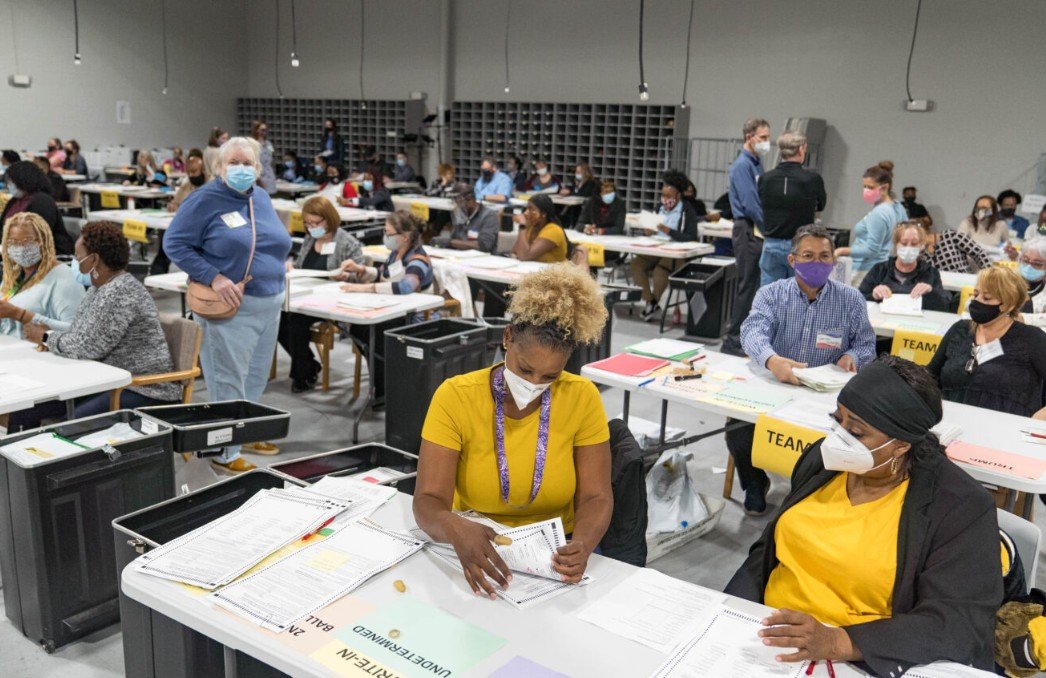
Fulton County, home to Atlanta, became a hotspot for these claims. It handled a large share of mail in ballots, with nearly 148,000 processed. Reviews found no major fraud, but questions lingered about signature checks and record keeping.
In 2023, Fulton County District Attorney Fani Willis charged Trump and others with trying to overturn the results. That case got dismissed earlier in December 2025 due to procedural issues, right before Trump took office again.
This new federal lawsuit revives focus on those same records. It ties into Trump’s promise to fix what he calls a broken system from his first loss.
Key Demands and Legal Arguments
The justice department’s suit lists specific items they want from Fulton County. These include materials that could shed light on how votes were counted and verified.
Here are the main demands outlined in the complaint:
- All used and void ballots from the 2020 general election.
- Stubs from every ballot issued.
- Signature envelopes for mail in votes.
- Digital files matching those envelopes.
Lawyers argue that refusing to provide these violates federal record keeping rules. They point to the Civil Rights Act, which requires states to keep election materials for review.
On the other side, county leaders say state laws seal these items after certification. They might fight the suit by claiming it oversteps local control. Legal experts predict a quick court hearing, given the five day deadline requested.
This action also targets other states. The justice department sued four states Colorado, Hawaii, Massachusetts, and one more on the same day for voter data. It shows a broad push to access 2020 information nationwide.
Reactions from Officials and Experts
Responses to the lawsuit poured in quickly from both sides of the political aisle. Supporters of Trump praised it as a step toward transparency, while critics called it a waste of resources on debunked theories.
Georgia’s state election board has been investigating Fulton County claims for months. They subpoenaed records in November 2025, but the county sued to block that too. This federal case adds pressure.
Democracy watch groups condemned the move. One called it a terrible overstep of power that could undermine trust in elections. They worry it sets a bad example for future votes.
Experts in election law note that while the Civil Rights Act allows federal oversight, using it this way is rare. Some say it could lead to more lawsuits if courts side with the government.
Public sentiment on social media splits along party lines. Posts highlight old allegations of missing votes or double counting in Fulton County, fueling debate.
Timeline of Events in Georgia Election Saga
To understand the full picture, here is a timeline of major developments related to Georgia’s 2020 election and the ongoing disputes:
| Date | Event |
|---|---|
| November 2020 | Biden wins Georgia by 11,779 votes; Trump challenges results. |
| January 2021 | Trump calls Raffensperger to find votes; audio leaks. |
| August 2023 | Fani Willis indicts Trump on racketeering charges. |
| October 2025 | DOJ subpoenas Fulton County for 2020 records. |
| November 2025 | State election board demands records; county sues to block. |
| December 12, 2025 | DOJ files federal lawsuit against Fulton County. |
| December 2025 | Willis case against Trump dismissed. |
This table shows how disputes have dragged on for years. The latest suit could extend that timeline if appeals follow.
Broader Implications for Election Integrity
This lawsuit raises questions about how far the federal government can go in reviewing past elections. Trump campaigned in 2024 on promises to strengthen voting rules, and this fits that agenda.
If successful, it might lead to audits in other swing states. Supporters argue it ensures fair play, but opponents fear it erodes confidence in democracy.
Voter rights groups watch closely. They say focusing on 2020 distracts from real issues like access to polls. Recent polls show most Americans want secure elections but doubt major fraud happened.
As the case moves forward, it could influence laws on record keeping. States might change how they store materials to avoid similar fights.
What do you think about this development? Share your thoughts in the comments below and pass this article along to spark discussion with friends.
