
The year 2026 promises big steps in space exploration as agencies like NASA, ISRO, SpaceX, and China push boundaries with new missions. From crewed trips around the Moon to uncrewed flights to Mars and searches for lunar water, these efforts aim to test technology, gather data, and set the stage for human presence beyond Earth.
These missions build on recent successes, such as SpaceX’s Starship tests and NASA’s Artemis progress, while facing challenges like budget constraints and international cooperation. With global interest rising, 2026 could mark a turning point in how we explore space.
NASA’s Artemis II Leads the Charge
NASA plans to launch Artemis II in early 2026, sending four astronauts on a flyby around the Moon. This will be the first crewed mission to lunar orbit since Apollo 17 in 1972.
The crew, including NASA astronauts and a Canadian Space Agency member, will test the Orion spacecraft’s systems during a 10-day journey. This step is vital for future landings under the Artemis program.
Artemis II follows a successful practice countdown in late 2025, showing teams are ready. It ties into broader goals of building a lunar base by the end of the decade.
Experts say this mission will prove NASA’s ability to support long-duration space travel. Delays from previous years have been resolved, setting a firm path forward.
ISRO’s Push for Human Spaceflight
India’s space agency, ISRO, has big plans with the Gaganyaan program in 2026. An uncrewed test flight, G1, is set for early in the year, carrying a robot named Vyommitra to check life-support systems.
This mission is part of preparations for sending humans to space by 2028. ISRO will also launch satellites like EOS-5 for Earth observation and GISAT-1A for imaging.
These efforts build on India’s recent lunar successes. The agency aims to boost national pride and scientific knowledge through these launches.
Challenges include ensuring safety and meeting timelines, but ISRO’s track record suggests strong progress. International partnerships could enhance these missions.
ISRO’s 2026 schedule includes:
- Gaganyaan G1: Uncrewed orbital test with Vyommitra robot.
- EOS-10: Advanced Earth observation satellite for climate monitoring.
- Multiple commercial launches to support global clients.
SpaceX Aims for Mars and Beyond
SpaceX is gearing up for uncrewed Starship missions to Mars in late 2026, during the optimal transfer window. These flights will test landing on the red planet and gather data for future human trips.
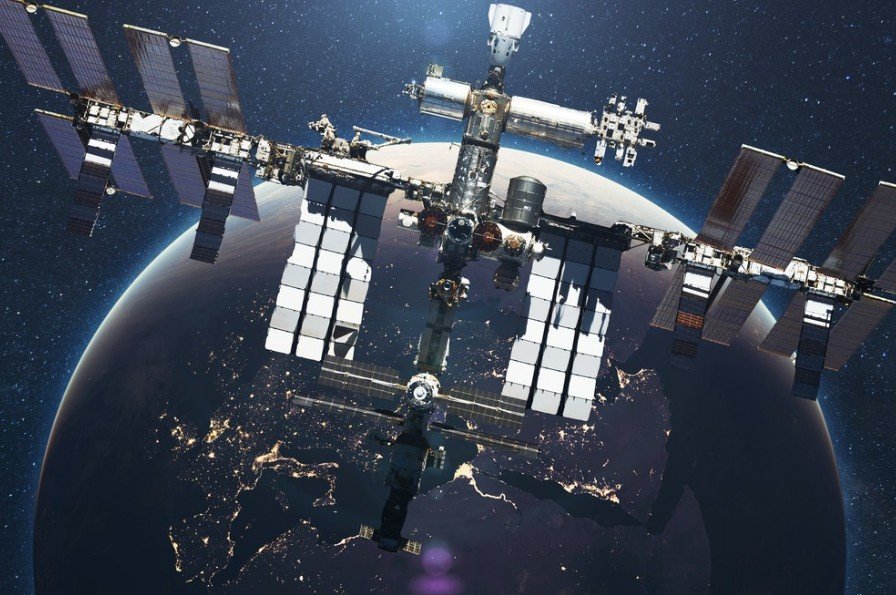
The company also supports NASA with Crew-12 to the International Space Station, launching in February aboard a Falcon 9 rocket.
Elon Musk’s firm has broken records with Starship tests in 2025, including orbital refueling attempts. This progress speeds up Mars ambitions.
SpaceX plans to send cargo and possibly robots like Optimus to Mars. These steps are key for establishing a sustainable presence there.
| Mission | Launch Window | Key Objectives |
|---|---|---|
| Starship to Mars | November-December 2026 | Test entry, descent, and landing; Collect surface data |
| Crew-12 to ISS | February 2026 | Transport four astronauts; Support station operations |
| Starlink Expansions | Throughout 2026 | Deploy next-gen satellites using Starship |
China’s Lunar and Telescope Advances
China’s space program shines with Chang’e-7, launching in 2026 to explore the Moon’s south pole. The mission includes an orbiter, lander, rover, and flying probe to hunt for water ice.
This could reveal resources for future bases. It follows Chang’e-6’s sample return from the far side in 2024.
China also plans to deploy the Xuntian space telescope near its Tiangong station. With a wide field of view, it will study dark matter and energy.
These missions show China’s growing role in space science. They aim to map unknown areas and advance astronomy.
International observers note China’s rapid pace, which could lead to collaborations or competitions.
Other Global Efforts in 2026
Europe and Japan join the action with missions like ESA’s BepiColombo arriving at Mercury and JAXA’s Hayabusa2 flyby of an asteroid.
Private companies, including those in the U.S., plan lunar landings and satellite deployments. These add to a busy year in space.
NASA’s Psyche mission will fly by Mars, studying metal-rich asteroids. Such efforts expand our knowledge of the solar system.
Challenges and Future Impact
Space missions in 2026 face hurdles like technical risks and funding issues. Weather and global events could cause delays.
Yet, successes could inspire new generations and drive economic growth through tech spin-offs.
These explorations address big questions about life beyond Earth and resource use in space.
What do you think about these upcoming missions? Share your thoughts in the comments and spread the word to fellow space fans.
