
Tata Motors Commercial Vehicles shares made a strong debut on Indian stock exchanges today, listing at a 28 percent premium before facing some selling pressure. The listing on November 12, 2025, follows the company’s demerger that split its passenger and commercial arms to unlock better value for investors.
Demerger Sparks Market Buzz
Tata Motors completed its demerger on October 1, 2025, creating two separate listed entities. The move aims to let each business focus on its strengths, with the commercial vehicles arm now trading independently.
This split gives shareholders one share of the new commercial vehicles company for every Tata Motors share they held as of the record date on October 14. Analysts say the demerger could help the commercial unit tap into growth in trucks and buses amid India’s booming economy.
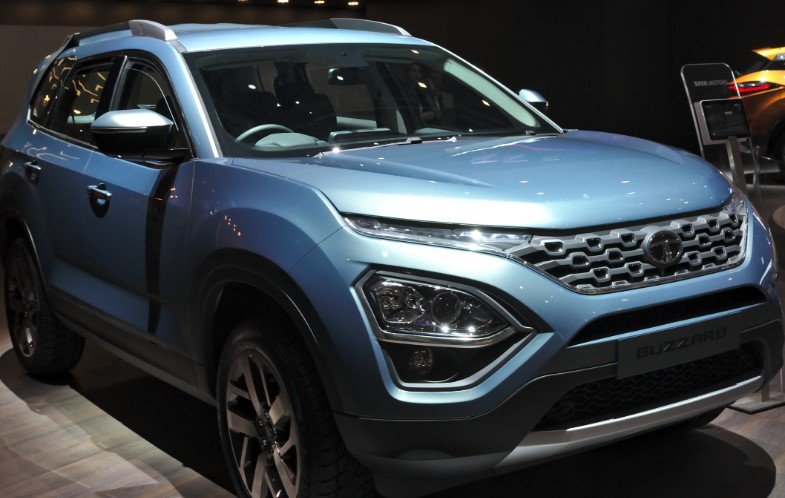
The passenger vehicles side, including electric cars and Jaguar Land Rover, now trades under a different ticker. Market watchers point out that such splits often lead to better stock performance over time, as seen in past corporate restructurings.
Investors who held shares before the record date now own pieces of both businesses. This setup is expected to draw more focused investments, especially with India’s push for better transport and green tech.
Listing Details and Initial Performance
Shares of Tata Motors Commercial Vehicles listed at 335 rupees on the National Stock Exchange, marking a 28.48 percent jump from its implied value of about 261 rupees. On the Bombay Stock Exchange, they opened at 330.25 rupees, up 26.09 percent from a similar base.
The stock hit these highs right at the opening bell, showing strong initial demand. Trading volume was high, with millions of shares changing hands in the first hour.
However, prices started to dip soon after, falling by around 2 percent in early trades. This pullback came as some investors booked profits after the premium listing.
The new entity has a market value of over 1.2 lakh crore rupees based on the debut prices. It trades under the ticker TMCV in a special group for the first 10 days to manage volatility.
Here are key listing figures:
- NSE Opening Price: 335 rupees
- BSE Opening Price: 330.25 rupees
- Premium on NSE: 28.48 percent
- Premium on BSE: 26.09 percent
- Implied Pre-Listing Value: 260 to 270 rupees
Analyst Views on Future Outlook
Experts remain upbeat about the commercial vehicles business despite the early dip. They highlight its leadership in India’s truck and bus markets, which are set for growth with rising infrastructure spending.
One brokerage firm predicts the stock could reach 400 rupees in the next year, driven by demand for heavy vehicles. Another notes risks like fuel price hikes or economic slowdowns that could hurt sales.
The demerger allows the commercial arm to invest more in electric and alternative fuel tech. This aligns with global trends toward sustainable transport, potentially boosting long-term value.
Recent quarterly results show steady revenue from commercial sales, even as passenger cars faced competition. Investors should watch upcoming earnings for more clues on performance.
| Metric | Value |
|---|---|
| Market Cap at Debut | 1.2 lakh crore rupees |
| Shares Issued | 368 crore |
| Face Value per Share | 2 rupees |
| Expected Annual Growth | 10-15 percent (analyst estimates) |
| Key Competitors | Ashok Leyland, Mahindra |
Impact on Investors and Broader Market
For existing Tata Motors shareholders, this listing means their portfolios now include direct exposure to commercial vehicles. Many are holding on, expecting the split to create more value than the combined entity did.
The stock market reacted positively overall, with related auto stocks seeing minor gains. This event underscores India’s growing corporate restructuring trend, aimed at efficiency.
New investors might find entry points during any dips, but experts advise checking fundamentals first. The commercial sector benefits from government road projects and e-commerce logistics boom.
Challenges Ahead for the New Entity
While the debut was solid, challenges loom. Rising raw material costs and supply chain issues could pressure margins. Competition from global players adds to the mix.
The company plans to expand its product line, including more electric models. Success here could set it apart in a crowded market.
Regulatory changes, like new emission norms, will test adaptability. Yet, with Tata’s strong brand, many believe it can navigate these hurdles.
Share your thoughts on this demerger and stock performance in the comments below. Did you invest? Let us know if you plan to buy or sell, and spread the word by sharing this article with fellow investors.
