
Google’s parent company Alphabet just handed its CEO Sundar Pichai one of the largest executive pay packages ever seen in corporate America. The massive deal could reach $692 million over three years, setting a new benchmark for tech industry compensation.
This landmark decision comes at a critical moment for the tech giant as it battles fierce AI competition and faces mounting regulatory pressure worldwide.
Inside the Record Breaking Compensation Structure
Alphabet’s board approved a multi-layered pay package that rewards Pichai based on both company performance and strategic milestones.
The deal breaks down into several key components:
| Component | Value | Details |
|---|---|---|
| Performance Stock Units | $400 million+ | Tied to stock performance targets |
| Restricted Stock | $150 million | Vests over three years |
| Waymo Incentives | $100 million+ | Linked to autonomous driving goals |
| Base Salary & Bonus | Remaining | Annual cash compensation |
The total package could exceed $230 million annually, making Pichai one of the highest paid executives globally.
Performance stock units form the backbone of this compensation. These shares only vest if Alphabet hits specific financial and operational targets. The structure ensures Pichai’s wealth grows only when shareholders benefit too.
Why Alphabet Bet Big on Pichai Now
The timing of this announcement reveals Alphabet’s priorities.
Pichai has led Google through its most challenging period in decades. The company faces antitrust lawsuits from the U.S. Department of Justice. It lost a major search monopoly case last year. And rivals like OpenAI and Microsoft threaten Google’s AI dominance.
Despite these headwinds, Alphabet’s stock surged nearly 35 percent in 2024. The company’s market value crossed $2 trillion for the first time. Revenue growth accelerated across cloud computing and advertising divisions.
Board members clearly believe Pichai deserves credit for navigating these storms.
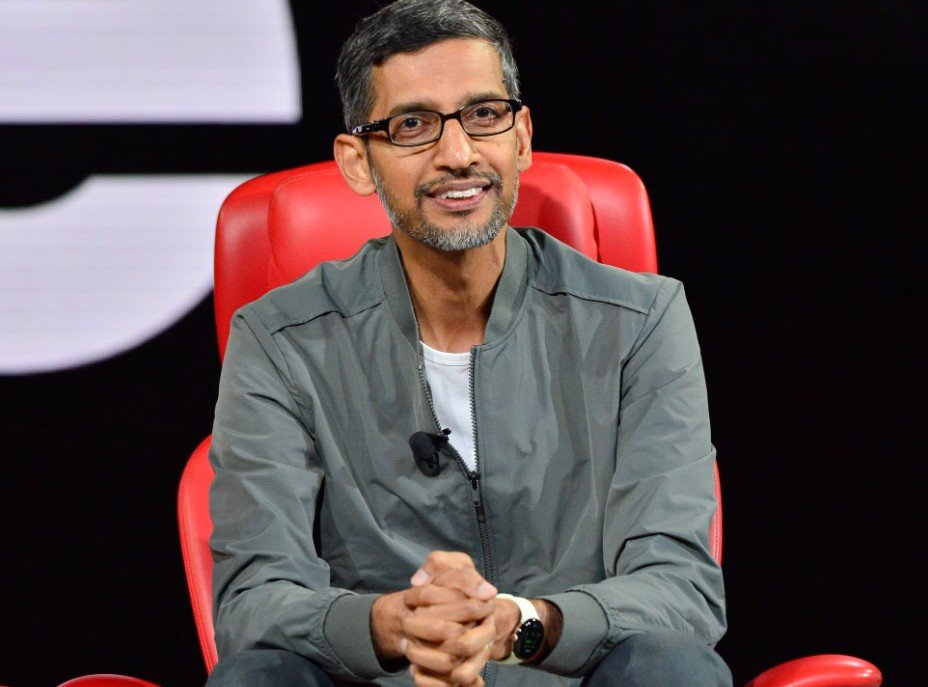
“This package reflects confidence in Sundar’s leadership during a transformational period for the company,” industry analysts noted when reviewing the filing.
The Waymo incentive component stands out as particularly interesting. Alphabet spun off its self-driving car unit years ago but maintained ownership. Recent reports suggest Waymo could be worth over $45 billion as a standalone company.
By tying significant compensation to Waymo’s success, the board signals its commitment to the autonomous vehicle business.
How Pichai’s Pay Compares to Other Tech Leaders
Pichai’s new package enters rarefied air in executive compensation.
Elon Musk famously received a Tesla pay package worth over $55 billion, though courts later voided that deal. Apple’s Tim Cook earned roughly $99 million in 2024. Microsoft’s Satya Nadella took home approximately $79 million last year.
Pichai’s potential $692 million over three years dwarfs most of these figures on an annual basis.
Key comparisons with other tech CEOs:
- Tim Cook (Apple): $99 million in 2024
- Satya Nadella (Microsoft): $79 million in 2024
- Andy Jassy (Amazon): $29 million in 2023
- Sundar Pichai (Alphabet): Up to $230 million annually
Critics argue such massive payouts widen inequality gaps. Executive compensation has grown 1,460 percent since 1978, according to the Economic Policy Institute. Average worker pay increased just 18 percent during the same period.
Alphabet shareholders will likely face questions about this disparity at the next annual meeting.
The AI Race Driving This Decision
Artificial intelligence sits at the heart of this compensation strategy.
Pichai transformed Google from a search company into an AI powerhouse. The company launched Gemini, its most advanced AI model, to compete directly with ChatGPT. Google Cloud now offers enterprise AI tools generating billions in revenue.
But the competition has never been fiercer.
OpenAI recently secured valuations exceeding $150 billion. Microsoft integrated AI across its entire product suite. Amazon poured billions into Anthropic. Chinese competitors like Baidu and ByteDance chase the same opportunities.
Alphabet needs Pichai focused on winning this race. The board apparently decided the best way to ensure that focus was through generational wealth tied to company success.
Recent milestones under Pichai’s AI leadership include:
- Gemini Ultra outperforming GPT-4 on multiple benchmarks
- Google Search integrating AI Overviews for billions of users
- Cloud AI revenue growing 28 percent year over year
- DeepMind breakthroughs in protein folding and weather prediction
What This Means for Alphabet’s Future
This pay package sends a clear message about Alphabet’s direction.
The company plans to invest aggressively in AI infrastructure. Capital expenditure budgets now exceed $50 billion annually. New data centers are rising across the United States, Europe, and Asia.
Shareholders should expect continued focus on three pillars. First, defending the core search and advertising business. Second, growing cloud computing market share. Third, commercializing moonshot projects like Waymo and quantum computing.
Pichai’s incentives align perfectly with these goals.
However, risks remain substantial. The Justice Department may force Google to divest its Chrome browser or Android operating system. European regulators continue pursuing antitrust actions. And younger users increasingly turn to TikTok and other platforms for information.
The massive compensation package represents a calculated bet. Alphabet’s board believes Pichai can navigate these challenges while capturing AI opportunities worth trillions of dollars.
Whether that bet pays off will determine if this record-setting pay deal looks visionary or excessive in hindsight. Readers around the world are watching closely as tech compensation reaches new heights, raising important questions about corporate governance and executive value. Share your thoughts in the comments below about whether such massive CEO packages are justified in today’s economy.
