South Korea has arranged a charter flight to bring home hundreds of its citizens detained in a major US immigration raid at a Hyundai plant in Georgia. The operation on September 4, 2025, rounded up 475 workers, sparking diplomatic tensions and calls for swift action from Seoul.
Details of the Immigration Raid
US immigration officials conducted a large scale raid at a battery factory under construction at Hyundai’s auto plant near Savannah, Georgia. The site is part of a big investment by South Korean companies to build electric vehicle parts.
Over 300 of the detained workers are South Korean nationals, many working as skilled technicians for short term projects. Reports indicate these workers were brought in for specialized tasks that local labor could not easily handle, such as installing advanced machinery.
The raid led to scenes of workers in chains, including around their hands, ankles, and waists, as shown in videos from US authorities. This treatment drew sharp criticism from South Korea, which called for better handling of its citizens.
Officials say the workers entered the US on business visas but faced claims of working without proper authorization. The operation highlights ongoing efforts under the current US administration to enforce immigration rules at foreign invested sites.
South Korea’s Response and Charter Flight
Seoul quickly stepped in to support its detained workers. The foreign ministry arranged a Korean Air Boeing 747 charter plane that left Incheon International Airport and landed in Atlanta on September 10, 2025.
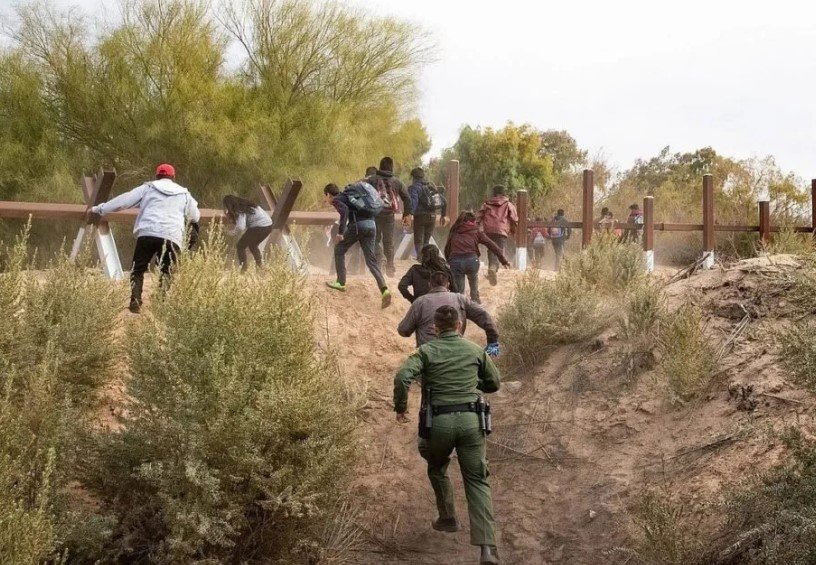
The plan was to fly the released workers back home right away, but US authorities caused a delay. South Korean officials are now working to resolve this and aim for a departure as soon as possible.
Foreign Minister Cho Hyun met with US Secretary of State Marco Rubio in Washington to discuss the issue. Cho stressed the need for a fast return and protection for South Korean investors in the US.
This move shows Seoul’s commitment to its citizens abroad, especially in key industries like auto manufacturing. The charter flight is a rare step in such cases, underlining the importance of the bilateral ties.
Impact on US South Korea Relations
The raid has strained relations between the two allies. South Korea has voiced concerns over the treatment of its workers and the potential harm to future investments.
US officials, including Rubio, have welcomed South Korean business but emphasized fair trade and legal compliance. The meeting focused on strengthening economic ties while addressing immigration concerns.
Experts note this event comes amid broader US crackdowns on illegal work, linked to policies from the Trump era that continue today. South Korea has long pushed for better visa options for its skilled workers in the US.
The incident could affect ongoing projects, like the Hyundai plant, which aims to create thousands of local jobs. Delays in worker returns might slow construction and training efforts.
Here is a quick look at key economic ties between the US and South Korea:
| Aspect | Details | Impact |
|---|---|---|
| Trade Volume | Over 150 billion dollars in 2024 | Supports jobs in both nations |
| Investments | South Korea invested 10 billion dollars in US auto sector | Boosts manufacturing in states like Georgia |
| Job Creation | Hyundai plant expected to add 8,000 jobs | Helps local economies but needs skilled foreign help |
Worker Experiences and Legal Claims
Many detained workers reported harsh conditions during the raid. They described being suddenly rounded up and held without clear information on their status.
An immigration lawyer representing some workers argued they held valid short term visas for specialized roles. These included engineering tasks vital for setting up the factory.
South Korea has promised legal aid and support for those affected. Families back home have expressed worry, with some sharing stories of the emotional toll.
The government in Seoul is also looking into claims that the raid targeted South Koreans unfairly. This has led to public anger in South Korea, with calls for stronger protections abroad.
Broader Implications for Immigration and Business
This raid points to challenges in global business and immigration rules. Companies like Hyundai rely on international talent for complex projects, but strict US laws can create hurdles.
Looking ahead, experts suggest better visa programs could prevent such issues. South Korea has urged the US to update systems for skilled workers in tech and manufacturing.
Similar events have happened before, like smaller raids at other foreign plants. In 2024, a few Korean workers faced deportation from a different US site, sparking minor diplomatic talks.
The current case might lead to policy changes, benefiting both nations’ economies. As alliances evolve, balancing security with investment remains key.
- Key demands from South Korea: Immediate release, fair treatment, and visa reforms.
- US stance: Enforce laws while welcoming legal investments.
- Potential outcomes: Stronger ties through new agreements on worker mobility.
What do you think about this immigration raid and its effects on international business? Share your thoughts in the comments below and spread the word by sharing this article with others.