
Samsung’s upcoming Galaxy S26 series has sparked fresh excitement with recent benchmark leaks showing Qualcomm’s Snapdragon 8 Elite 5 outperforming Samsung’s own Exynos 2600 chipset. These results, shared by reliable leakers just days ago, confirm the Snapdragon’s edge in key performance tests ahead of the expected February 2026 launch.
Latest Benchmark Results Revealed
Fresh leaks from trusted sources paint a clear picture of the Galaxy S26 Ultra’s power. The US version, powered by the Snapdragon 8 Elite 5, scored 3466 in single-core tests and 11035 in multi-core on Geekbench. These numbers come from tests where the chip ran at a lower frequency of 4.19GHz, not its full 4.74GHz speed.
Experts point out this underclocked performance still tops rivals. When pushed to max, scores could climb even higher, possibly reaching 3920 in single-core. This builds on last year’s S25 Ultra, which set high bars but now looks set for a big upgrade.
The Exynos 2600, meant for global models of the S26 and S26+, showed strong early leaks. One test put it ahead of the Snapdragon in raw power. But newer data flips that story, with Snapdragon pulling ahead in sustained tasks.
Chipset Rivalry Heats Up
Samsung has long split its flagships between Snapdragon for US markets and Exynos elsewhere. This year, hopes ran high for Exynos to finally win out, thanks to its 2nm process tech. That smaller node promises better efficiency and AI smarts.
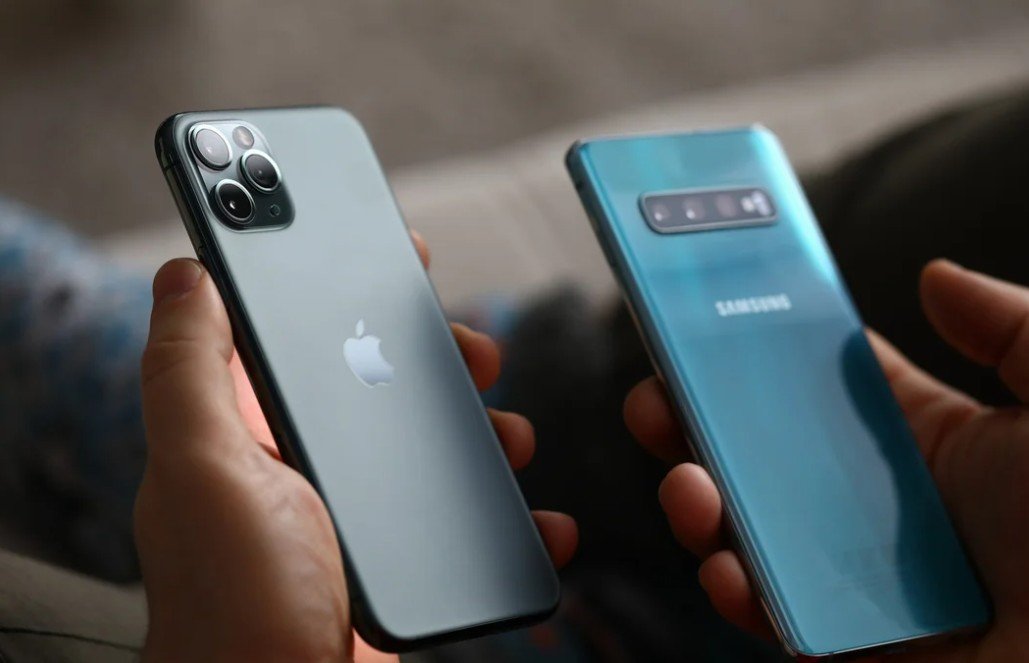
Yet, benchmarks tell a different tale. The Snapdragon 8 Elite 5, built on TSMC’s advanced process, excels in graphics and multi-tasking. Its Adreno 840 GPU outpaces the Exynos’s Xclipse 960 in demanding games and video edits.
Fans on social media express mixed feelings. Some cheer the Snapdragon’s reliability, while others worry about battery life in Exynos models. Samsung aims to close the gap with software tweaks, but hardware limits remain.
This rivalry echoes past years. In 2025, the S25 series saw Snapdragon versions praised for smoother gaming, while Exynos faced heat issues. Samsung learned from that, boosting the Exynos 2600’s cooling and power management.
How It Stacks Against Competitors
The Galaxy S26 Ultra holds its own against top phones like the OnePlus 15. Benchmarks place it close behind, with Snapdragon’s scores nearing the OnePlus’s peak. That matters for users who game or edit on the go.
Here’s a quick comparison of key benchmark scores:
| Device | Chipset | Single-Core Score | Multi-Core Score | GPU Performance |
|---|---|---|---|---|
| Galaxy S26 Ultra (US) | Snapdragon 8 Elite 5 | 3466 | 11035 | High (Adreno 840) |
| Galaxy S26 (Global) | Exynos 2600 | ~3200 (leaked) | ~10500 (leaked) | Solid (Xclipse 960) |
| OnePlus 15 | Snapdragon 8 Elite 5 | 3800+ | 12000+ | Top-tier |
| Galaxy S25 Ultra | Snapdragon 8 Elite 4 | 2800 | 9500 | Good |
These figures highlight Snapdragon’s lead in raw speed. The Exynos shines in energy use, potentially offering longer battery life for daily tasks.
What This Means for Buyers
Performance isn’t everything. The Exynos 2600 focuses on AI features, like smarter photo editing and voice commands. It could appeal to users who value efficiency over brute force.
Launch rumors point to February 25, 2026, with the full lineup including S26, S26+, and Ultra. Prices might start at $800 for the base model, climbing to $1300 for the Ultra.
Buyers in regions with Exynos should note potential differences. Tests show it handles most apps well, but heavy users might prefer Snapdragon for consistency.
Samsung could surprise with last-minute tweaks. Recent events, like Qualcomm’s chip announcements, push Samsung to innovate faster.
Future Outlook for Samsung Chips
Looking ahead, Samsung invests heavily in its foundry to rival TSMC. The Exynos 2600 marks a step with 2nm tech, the first in smartphones.
Industry watchers predict tighter races in 2027. For now, Snapdragon’s win keeps it as the go-to for power users.
This leak fuels debates on forums and social platforms. It ties into broader trends, like AI-driven phones dominating CES 2026 previews.
Share your thoughts on which chipset you’d pick for the Galaxy S26. Comment below or spread the word to fellow tech fans.
