A Comprehensive Comparison of Two Compact Powerhouses
The smartphone market is filled with a variety of options, but compact flagships remain a niche that’s fiercely competitive. If you’re someone who loves a powerful phone but dislikes bulky devices, the 2025 release of the Samsung Galaxy S25 and Google Pixel 9 might have caught your eye. Both phones promise top-tier features in smaller, more manageable packages. But which one should you choose? Let’s break down the key features, pros, and cons of each to help you decide which compact flagship is best suited for your needs.
Design and Display: Compact Yet Premium
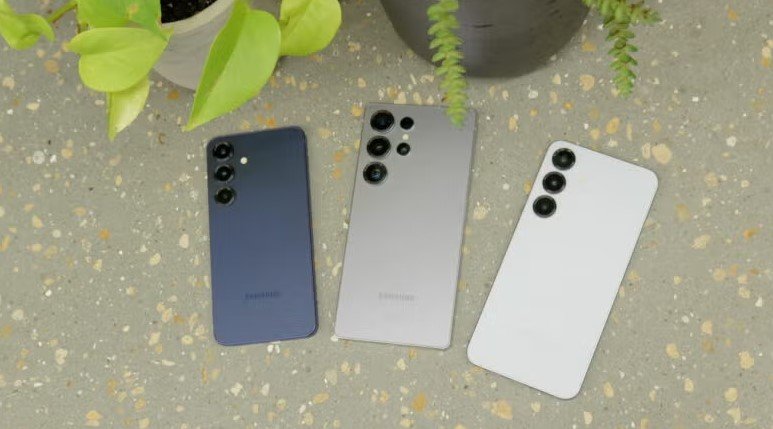
When it comes to design, both the Samsung Galaxy S25 and Google Pixel 9 have focused on creating a sleek, premium feel without compromising on their compact nature. If you’re looking for a phone that fits comfortably in one hand, both of these devices are crafted with that very intent.
Samsung Galaxy S25
The Galaxy S25 comes with a 6.1-inch Dynamic AMOLED display, offering vivid colors and deep blacks. Samsung has continued to push the envelope with their screen quality, and the S25 is no different. The display supports a 120Hz refresh rate, ensuring smooth scrolling and a fluid user experience. The compact design is complemented by a thin, lightweight body that makes it feel less bulky compared to other flagships.
Google Pixel 9
The Pixel 9, on the other hand, offers a slightly smaller 5.8-inch OLED display. While it doesn’t quite match the dynamic color depth of Samsung’s AMOLED screen, the Pixel 9’s display is sharp, bright, and offers natural color reproduction that Google is known for. Though the Pixel 9 has a slightly lower refresh rate of 90Hz, it’s still smooth enough for daily use, and the smaller screen makes it feel even more compact.
Key Differences in Display:
- Samsung Galaxy S25: 6.1-inch Dynamic AMOLED, 120Hz refresh rate
- Google Pixel 9: 5.8-inch OLED, 90Hz refresh rate
Both displays are excellent in their own right, but if you’re after a larger, faster display, the S25 would be your go-to.
Performance and Power: Flagship Speed in Compact Form
Performance is another area where both the Galaxy S25 and Pixel 9 shine. These compact devices pack a punch when it comes to speed, multitasking, and gaming. Let’s look at how each phone holds up under the hood.
Samsung Galaxy S25
The Galaxy S25 is powered by the Exynos 2400 (or Snapdragon 8 Gen 3 in some regions), offering cutting-edge processing power. It’s paired with 8GB of RAM and comes with storage options of 128GB and 256GB. This combination makes the S25 a powerhouse that can handle anything from demanding apps to high-performance gaming.
Google Pixel 9
The Pixel 9, in contrast, is powered by Google’s Tensor G3 chip, which is designed specifically to enhance AI and machine learning tasks. This gives the Pixel 9 a slight edge in terms of performance optimization, particularly for tasks that involve Google’s AI-driven services. The Pixel 9 comes with 8GB of RAM and the same 128GB and 256GB storage options, providing ample space for apps and media.
Performance Breakdown:
- Samsung Galaxy S25: Exynos 2400/Snapdragon 8 Gen 3, 8GB RAM
- Google Pixel 9: Tensor G3 chip, 8GB RAM
For those focused on raw processing power, the Galaxy S25 offers a slightly better chipset for general performance. However, if you prefer AI-driven features and seamless Google integration, the Pixel 9’s Tensor chip may appeal to you more.
Camera: Photography and AI Features
For many users, the camera is one of the deciding factors in choosing a flagship device. Both Samsung and Google continue to lead the pack when it comes to camera innovation, and the S25 and Pixel 9 each offer their unique strengths.
Samsung Galaxy S25
The Galaxy S25 boasts a triple-camera setup: a 50MP main sensor, a 12MP ultra-wide lens, and a 10MP telephoto lens with 3x optical zoom. Samsung has improved its camera algorithms over the years, and the S25 continues this trend with better low-light performance and more vibrant color reproduction. The 8K video recording capability is also a standout feature for content creators.
Google Pixel 9
Google’s Pixel 9 focuses heavily on computational photography, using the power of the Tensor G3 chip to enhance photos through software. The Pixel 9 features a 50MP main sensor paired with a 12MP ultra-wide lens. While it lacks the telephoto lens of the S25, the Pixel 9 excels in producing natural colors and details, especially in tricky lighting situations. Google’s Night Sight, Super Res Zoom, and other AI-powered features provide excellent results without the need for a telephoto lens.
Camera Comparison:
- Samsung Galaxy S25: 50MP main, 12MP ultra-wide, 10MP telephoto (3x zoom)
- Google Pixel 9: 50MP main, 12MP ultra-wide, AI-powered computational photography
For pure camera flexibility, the Galaxy S25’s telephoto lens gives it an edge, but for software-powered photography and exceptional low-light results, the Pixel 9’s AI features might win you over.
Battery Life and Charging: Staying Powered All Day
Battery life remains a key factor in any smartphone comparison. Both the Galaxy S25 and Pixel 9 offer solid performance, but there are a few differences.
Samsung Galaxy S25
The Galaxy S25 packs a 3,800mAh battery, which should easily last a full day with moderate use. It supports 25W fast charging, as well as wireless charging and reverse wireless charging, allowing you to top off other devices if needed.
Google Pixel 9
The Pixel 9 comes with a slightly smaller 3,500mAh battery, but it is optimized for efficiency thanks to Google’s software. The battery life is similar to the S25, offering a full day’s worth of usage under typical conditions. However, the Pixel 9 supports 30W fast charging, which gives it a slight edge when it comes to recharging speed.
Battery Breakdown:
- Samsung Galaxy S25: 3,800mAh, 25W fast charging, wireless charging
- Google Pixel 9: 3,500mAh, 30W fast charging
The difference is marginal, but if you’re after faster charging, the Pixel 9 may be your choice.
Final Verdict: Which One Should You Buy?
When choosing between the Samsung Galaxy S25 and Google Pixel 9, both devices deliver excellent performance and cutting-edge features in compact packages.
- Pick the Samsung Galaxy S25 if you value a larger display, better telephoto capabilities, and a slightly more powerful chipset.
- Pick the Google Pixel 9 if you prefer a smaller, more software-focused device with a strong emphasis on AI-driven features and exceptional camera quality in various lighting conditions.
Ultimately, your decision will come down to personal preference and which features matter most to you in your everyday use.