A New Study Unveils the Role of Climate in Dengue Spread and Deaths
As temperatures rise, so does the threat of dengue, according to a groundbreaking study from Pune. Researchers have identified a direct correlation between higher temperatures, rainfall patterns, and the increase in dengue cases. The findings point to a pressing need for an early warning system to predict and mitigate the impact of the disease.
The study, conducted by a team of experts from the Indian Institute of Tropical Meteorology (IITM), University of Maryland, University of Pune, University of Nottingham, and Maharashtra Health Department, highlights how certain weather conditions, particularly during the monsoon season, fuel the spread of the deadly mosquito-borne disease.
Ideal Conditions for Dengue
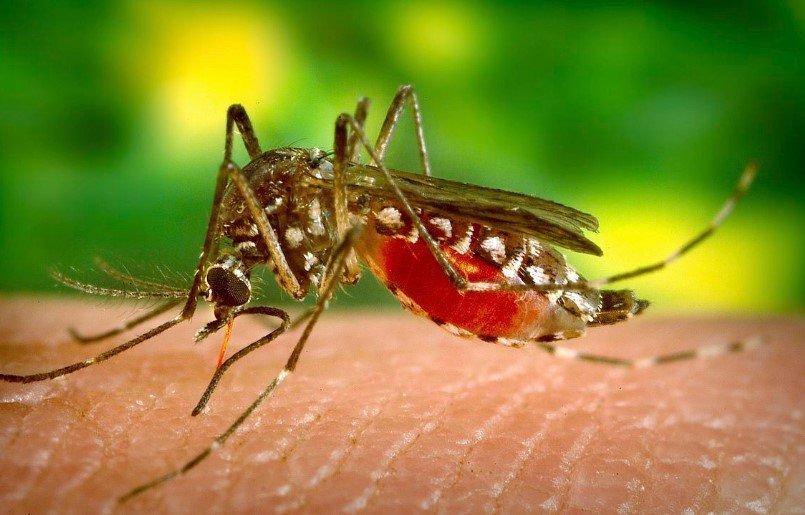
The research, published on January 22, 2025, reveals that dengue transmission rates rise significantly when temperatures surpass 27 degrees Celsius, coupled with moderate rainfall and humidity levels between 60% and 78%. These specific climate conditions create a breeding ground for the Aedes aegypti mosquito, the primary vector of the disease.
The study suggests that the monsoon season, which typically spans from June to September, sees the highest incidence of dengue. The combination of heat, consistent rainfall, and humidity provides an ideal environment for the mosquitoes to breed and thrive, leading to increased outbreaks.
Heavy Rains: A Double-Edged Sword
Interestingly, the study also reveals that heavy rainfall can have a mitigating effect on dengue outbreaks. When rainfall exceeds 150mm in a week, it has a natural cleansing effect, washing away mosquito eggs and larvae from breeding sites. This can significantly reduce the prevalence of dengue in the short term.
However, the researchers caution that while heavy rains might reduce the risk of dengue transmission temporarily, the damage is often already done by the time the rains arrive. The spread of the disease tends to peak before the monsoon’s heaviest showers, making early intervention critical.
The Role of Technology in Early Detection
In light of these findings, the researchers have stressed the importance of creating an early warning system that can predict dengue outbreaks based on weather patterns. By leveraging data on temperature, rainfall, and humidity, authorities can better prepare for potential outbreaks and take proactive measures to reduce transmission.
The team believes that integrating climate data with public health systems will allow for more targeted interventions, such as the timely spraying of insecticides, the distribution of mosquito nets, and public awareness campaigns to minimize exposure. By addressing the environmental factors that contribute to dengue transmission, public health officials can better manage the disease and reduce the number of fatalities.
Global Collaboration for Local Solutions
The study’s success lies not only in its findings but also in the collaborative effort behind it. Researchers from India, the United States, and the United Kingdom have come together to tackle the growing threat of dengue, combining expertise in meteorology, public health, and epidemiology.
The role of local health departments, such as those in Maharashtra and Pune, has also been critical in gathering data and providing insights into how dengue outbreaks are managed on the ground. This partnership between academia and government agencies underscores the importance of a unified approach to tackling health threats like dengue.
A Call to Action
As the world continues to warm, the spread of diseases like dengue will only become more widespread and frequent. This study provides crucial evidence of the link between climate and health, offering an opportunity to curb the disease’s impact through better preparedness and early intervention.
The development of an early warning system, grounded in the study’s findings, could save countless lives by allowing authorities to respond faster and more effectively to dengue outbreaks. While much has been done, the fight against dengue is far from over. With the right tools and strategies, however, the disease can be controlled before it reaches epidemic proportions.