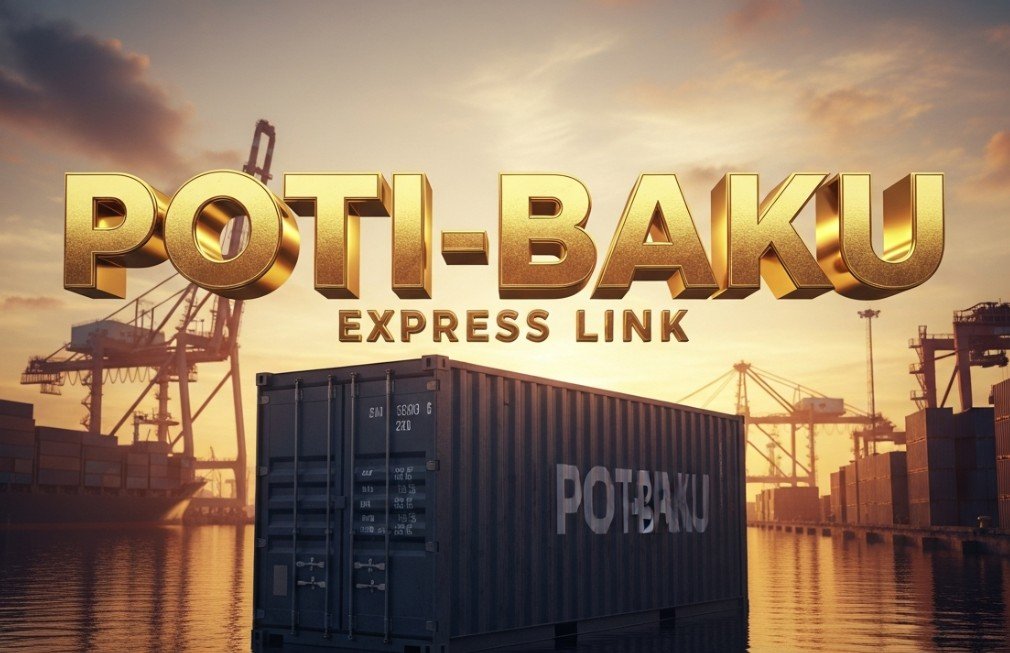
Azerbaijan and Georgia have officially launched a new express block train connecting Poti and Baku. This strategic move promises to cut transit costs and drastically reduce shipping times for cargo moving across the vital Middle Corridor.
The logistics sector in the Caucasus region just received a massive upgrade. Azerbaijan Railways (ADY) and Georgian Railway have joined forces to launch the Poti-Baku express block train. This new service targets a major pain point for global shippers by offering a reliable and fast connection between the Black Sea and the Caspian Sea. It signals a new era of efficiency for trade routes bridging Europe and Asia.
Streamlining Logistics Across Borders
The primary goal of this new rail service is speed and reliability. The block train operates on a fixed schedule which ensures that cargo does not sit idle at terminals waiting for transport. This direct link between the Port of Poti in Georgia and Baku in Azerbaijan eliminates many of the traditional delays associated with cross-border freight.
Cargo owners stand to gain the most from this development. The express nature of the train means goods move faster. This reduction in transit time leads to lower operational costs. Companies will save money on storage fees for containers at ports.
The seamless movement of empty and loaded containers is now a reality for businesses using this route.
Key benefits of the Poti-Baku Express include:
- Fixed Schedules: Trains depart at set times to ensure predictability.
- Cost Reduction: Lower expenses for terminal storage and handling.
- Two-Way Flow: Efficient transport of containers from Poti to Baku and back.
- Simplified Logistics: A unified approach reduces paperwork and administrative hurdles.
This service acts as a “conveyor belt” for the region. It keeps goods moving constantly. The launch event took place at the Port of Poti and marked a significant milestone in regional cooperation.
Strategic Partnership for Regional Growth
This project is the result of high-level collaboration. Following the launch, ADY Chairman Rovshan Rustamov met with key figures in the Georgian logistics sector. These meetings included leadership from the PACE Group and representatives from the Batumi Sea Port.
The PACE Group is a major player in Georgia. They operate the terminal at Poti Port. Their cooperation with Azerbaijan Railways is crucial for the success of this express train. The discussions focused on how to further expand ties between the railway systems and the seaports of both nations.
Rustamov highlighted a major shift in how operations are handled. He noted that railway and port operations in Azerbaijan now function under a unified management model. This integration has already shown positive results.
“The successful integration of the Baku International Sea Port into our railway operations has had a direct positive impact on cargo handling volumes.”
This unified approach removes silos. It allows information and cargo to flow freely between the port authorities and the railway operators.
Rising Cargo Volumes and Future Goals
The demand for this route is growing rapidly. Recent data shows a sharp increase in trade volume passing through the region. The Port of Baku has reported record-breaking numbers in container handling.
In the last year alone, the port handled over 107,000 TEU of container cargo. This represents a massive 40 percent increase compared to the previous year. These numbers prove that shippers are looking for alternatives to traditional routes.
The surge in volume demands efficient solutions like the express block train.
| Metric | Growth Status | Impact |
|---|---|---|
| Container Volume | Up 40% | Higher demand for rail capacity |
| Transit Time | Decreased | Faster delivery for end consumers |
| Storage Costs | Reduced | Better profit margins for shippers |
The cooperation between Baku and Georgian ports is essential to manage this growth. Both sides agreed that sharing expertise is the key to efficiency. As volumes rise, the infrastructure must be ready to handle the load without creating bottlenecks.
The Middle Corridor Advantage
The launch of the Poti-Baku express train is a major win for the Middle Corridor. This trade route connects China and Europe via Central Asia and the Caucasus. It has become increasingly important due to geopolitical instability affecting other routes.
Shippers often face challenges with reliability on complex multi-modal routes. This express train solves that by securing the leg between the Black Sea and the Caspian Sea. It makes the Middle Corridor a more attractive option for global logistics companies.
The route offers a strategic alternative. It bypasses the northern routes and avoids the longer maritime journey through the Suez Canal. By strengthening the rail link between Georgia and Azerbaijan, the entire corridor becomes more competitive.
Experts believe this is just the beginning. Continued investment in rail and port infrastructure will likely attract even more cargo in the coming years. The Poti-Baku express is a concrete step toward a more connected and resilient global supply chain.
The launch of the Poti-Baku express block train marks a pivotal moment for regional trade. Azerbaijan and Georgia have strengthened their logistics partnership to offer faster and cheaper freight options. With container volumes soaring by 40 percent, this new service provides the necessary infrastructure to support the growing Middle Corridor. The collaboration between railway authorities and port operators ensures that goods move smoothly across borders. This development not only benefits local economies but also enhances the reliability of global supply chains connecting East and West.
What are your thoughts on this new trade route development? Do you think the Middle Corridor will become the primary route for Asia-Europe trade? Share your opinion in the comments below! If you are following this news on social media, use the hashtag #MiddleCorridor and share this update with your network.