Novo Nordisk brings its best-known injection to a crowded market as pricing, access and long-term health costs come into focus
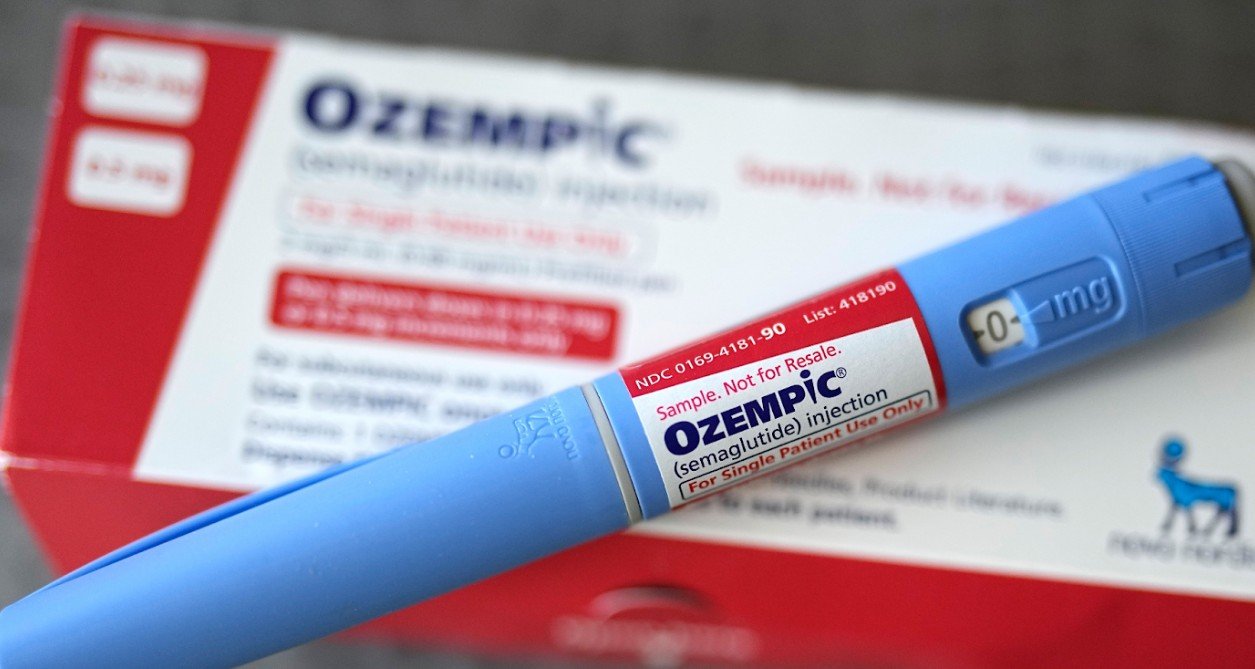
Novo Nordisk has formally rolled out Ozempic in India, pushing one of the world’s most talked-about diabetes medicines into a country grappling with soaring blood sugar levels and widening waistlines. The launch sharpens competition in a fast-heating drug category where pricing and scale could decide winners.
The Danish drugmaker confirmed that Ozempic, a once-weekly injectable for type 2 diabetes, is now available across India at prices adjusted for local patients. The move adds fresh pressure on rivals and signals a deeper bet on India as a growth engine.
Pricing the injection for Indian realities
Novo Nordisk has set weekly prices that reflect a careful balancing act. Access matters here. So does perception.
The starter dose of 0.25 mg is priced at ₹2,200 per week. Patients stepping up to 0.5 mg will pay ₹2,542, while the 1 mg maintenance dose costs ₹2,793 weekly. Company executives say the structure is meant to soften the cost barrier, especially for people new to injectable therapies.
Vikrant Shrotriya, managing director of Novo Nordisk India, said the company aimed to deal with affordability concerns without compromising treatment standards. That line has been repeated before in India’s drug market, but this time the numbers are being watched closely by doctors, distributors, and rivals.
Ozempic is approved in India for adults with type 2 diabetes, including those whose HbA1c levels remain above 7% despite diet and exercise. Doctors also point to its suitability for patients with existing heart disease or elevated cardiac risk.
For many clinicians, the price still feels steep. Yet compared with global benchmarks, India’s tags are clearly trimmed.
A familiar molecule with a global reputation
Ozempic’s active ingredient, semaglutide, is already well known in India. It sits at the heart of Novo Nordisk’s broader portfolio and has become a household name abroad.
Semaglutide also powers Wegovy, the weight-loss injection that entered India earlier this year. Though Ozempic is indicated for diabetes, its appetite-suppressing effects have made it famous far beyond endocrinology clinics. Off-label use for weight loss has turned the drug into a cultural talking point in the US and Europe.
Alongside Eli Lilly’s tirzepatide, sold in India as Mounjaro, semaglutide belongs to the GLP-1 class. These drugs mimic gut hormones that regulate glucose, curb hunger, and keep people feeling full for longer.
Novo Nordisk now offers all three semaglutide formats in India:
-
Rybelsus, an oral tablet for diabetes
-
Wegovy, an injectable for obesity
-
Ozempic, the injectable diabetes mainstay
That lineup gives the company unusual breadth in a market just starting to accept these therapies at scale.
India’s diabetes burden keeps growing
The timing of Ozempic’s launch is no accident. India’s metabolic health numbers are sobering, and they keep climbing.
According to World Health Organisation estimates for 2023–24, India has about 101 million adults living with diabetes. That equals roughly 11.4% of the adult population, placing the country second only to China. Another 136 million people fall into the prediabetes category.
Obesity adds another layer of strain. Around 254 million Indians are estimated to have generalised obesity, while 351 million have abdominal obesity, a key driver of diabetes and heart disease.
Ozempic’s appeal goes beyond blood sugar control. Clinical data shows benefits linked to weight reduction, heart protection, and kidney outcomes, areas that matter deeply in India’s high-risk patient pool.
Doctors often talk about treating “clusters” of conditions rather than a single metric like glucose. Drugs that address several risks at once naturally draw attention.
Competition tightens as sales surge
Novo Nordisk’s arrival with Ozempic lands in a market already buzzing.
Eli Lilly’s Mounjaro entered India earlier and wasted no time making noise. According to Pharmatrac data, it became the country’s top-selling pharmaceutical brand within weeks, posting ₹100 crore in sales in October and ₹108 crore in November.
That early lead, however, is starting to look less secure.
Wegovy, Novo Nordisk’s weight-loss injection, cut prices sharply last month. The reduction brought per-dose costs down to roughly ₹2,700–₹4,100, triggering a reported 70% jump in usage. Market share followed quickly.
In October, Wegovy held about 9% of the GLP-1 segment. By November, that figure rose to 14%. Over the same period, Mounjaro’s share slipped from 91% to 86%.
Those shifts may look small on paper. In revenue terms, they matter a lot.
Partnerships, but with clear lines
Both global players know India is too big and too complex to tackle alone. Local partners matter, especially outside major cities.
Eli Lilly has tied up with Cipla. Novo Nordisk has partnered with Emcure Pharmaceuticals. Yet the scope of these alliances differs, and the distinctions are important.
Novo Nordisk clarified that its collaboration with Emcure applies only to the distribution of its weight-loss drug, marketed locally as Poviztra. Ozempic, the company stressed, remains outside that agreement.
That separation suggests a deliberate strategy. Diabetes drugs sit at the core of Novo Nordisk’s identity and revenue base. Control over pricing, supply, and messaging remains tight.
Supply itself has been a sore point globally. Ozempic was first approved in the US in 2017 and is now sold in about 75 countries. More than 7.5 million people worldwide have used it. Demand spikes in the US previously stretched Novo Nordisk’s manufacturing network, forcing temporary limits. The company says capacity has since been expanded.
India’s volumes will test that claim.
A market worth fighting for
Industry estimates suggest India’s GLP-1 market could reach ₹25,000 crore by 2030. That figure reflects more than sales forecasts. It signals a shift in how chronic diseases may be treated across the country.
For patients, these drugs promise fewer injections, better control, and added health benefits. For insurers and public health planners, they raise tough questions about cost and long-term access.