
The National Science Foundation just renewed a $7.5 million grant for the Georgia Coastal Ecosystems research program. This long-term project, led by the University of Georgia Marine Institute on Sapelo Island, aims to study how storms and other changes impact coastal marshes and boost their strength against future threats.
Grant Renewal Details
This renewal marks the fourth six-year funding cycle for the program, which started in 2000. The fresh $7.5 million will support work through 2031, building on past efforts that have shaped coastal science.
Over 100 scientists from 10 schools, including Georgia Tech and Georgia Southern University, take part in this effort. They work together to track changes in Georgia’s coastal areas, which stretch over 100 miles and include vital salt marshes.
The timing fits with recent events, like Hurricane Helene in 2024, which hit the Southeast hard and showed the need for better coastal defenses. Researchers will use new tools to measure sea levels, salinity, and flooding patterns.
Research Focus on Marsh Health
The main goal is to understand how big events, such as hurricanes or freezes, affect marsh health and resilience. Scientists will look at extremes, not just averages, to see if marshes can bounce back or if they are getting weaker.
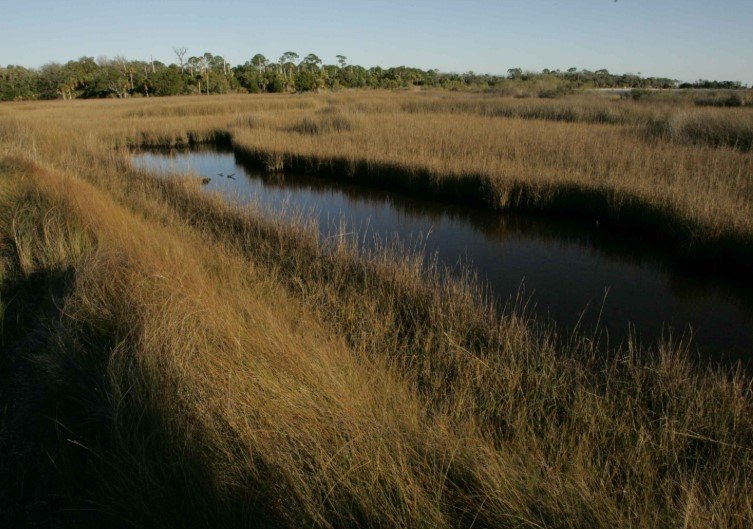
Merryl Alber, the program’s director and a marine sciences professor, explained that these studies help predict when marshes might fail. This knowledge is key as climate change brings more intense storms and rising seas.
In recent years, Georgia’s coast has faced stronger tides and erosion. The research will track how these shifts impact plants, animals, and water quality in estuaries.
One key area is carbon storage. Salt marshes hold large amounts of carbon, which helps fight climate change. The team will study if disturbances release this carbon or make marshes better at keeping it.
Benefits for Coastal Communities
Healthy marshes shield homes from floods, clean water, and support fishing jobs that bring in millions for Georgia’s economy. This research gives local leaders data to plan protections, like building barriers or restoring wetlands.
For example, after storms like Hurricane Idalia in 2023, communities used similar studies to rebuild smarter. The program’s findings could save billions in damage costs over time.
Policymakers in Georgia and nearby states rely on this work to make rules on land use and conservation. It also ties into national efforts to make coasts tougher against rising seas.
Here are some key ways marshes help communities:
-
-
- Protect against storm surges by absorbing wave energy.
- Filter pollutants from rivers and runoff.
- Provide homes for fish and birds, boosting tourism.
- Store floodwater to reduce inland flooding.
-
Education and Outreach Efforts
The program does more than research. It runs workshops for teachers and involves citizens in tracking floods.
Each summer, K-12 educators visit Sapelo Island for hands-on training. They learn to teach students about coastal science, reaching thousands of kids across the state.
A new citizen-science project, Flood Patrol, lets residents install simple gauges in their yards to report high tides. This helps gather real-time data on flooding trends.
These efforts build public awareness. In 2024, similar programs in Florida helped communities prepare for sea level rise, showing the value of community involvement.
| Program Milestone | Year | Funding Amount | Key Achievement |
|---|---|---|---|
| Program Launch | 2000 | $4.5 million | Set up core monitoring sites on Sapelo Island |
| First Renewal | 2006 | $5.2 million | Expanded to study hurricane impacts |
| Second Renewal | 2012 | $6.0 million | Added focus on climate change effects |
| Third Renewal | 2018 | $6.8 million | Integrated citizen science initiatives |
| Fourth Renewal | 2025 | $7.5 million | Emphasis on extreme events and resilience |
Looking Ahead to Future Impacts
As sea levels rise faster, this research could guide big decisions on coastal management. Experts predict Georgia might lose up to 20 percent of its marshes by 2050 without action.
The program joins 27 other NSF sites across North America, sharing data to understand ecosystems from forests to oceans. This network helps spot patterns that affect the whole country.
With climate threats growing, the work on Sapelo Island stands out. It combines science with real-world solutions, helping Georgia stay ahead.
Share your thoughts on coastal protection in the comments below. If this story matters to you, pass it along to friends and family to spread awareness.
