Fresh lawmakers are set to join the Georgia Legislature as the 2026 session kicks off next week in Atlanta. These changes stem from special elections held after deaths, resignations, and other shifts, bringing at least three new representatives to the House and three to the Senate to complete ongoing terms.
Reasons Behind the Changes
Several events have triggered these special elections across Georgia. Lawmakers have left their posts due to personal reasons, legal issues, or new opportunities, creating vacancies that voters filled through off-year ballots.
In one case, Republican Rep. Mandi Ballinger from Canton passed away in October after fighting cancer for a long time. This led to a special election in House District 23, where voters chose her replacement. Other departures include resignations tied to fraud charges and hurricane damage.
For instance, Democrat Rep. Karen Bennett from Stone Mountain stepped down just before facing charges for wrongly claiming unemployment benefits worth nearly $14,000. Another Democrat, Rep. Lynn Heffner from Augusta, resigned because Hurricane Helene damaged her home, and state rules require lawmakers to live in their districts.
These moves reflect broader trends in Georgia politics, where personal challenges and legal matters can quickly alter the legislative landscape. With the 2026 midterm elections looming, such shifts could influence party balances and policy directions.
Special elections like these ensure continuity in representation. They allow districts to pick new voices without waiting for the next general election cycle.
Key Newcomers in the House
The House of Representatives will welcome at least three new members from recent special elections. These individuals bring diverse backgrounds and aim to tackle local issues like taxes and infrastructure.
In House District 23, based in Cherokee County, Republican Bill Fincher won a runoff election with over 70% of the vote. A former district attorney who now runs an RV park, Fincher beat Democrat Scott Sanders. He plans to focus on capping property taxes, easing metro Atlanta traffic, and cutting insurance costs.
Fincher expressed deep gratitude for the voter support, calling it a humbling experience. The district, covering Canton and parts of Holly Springs, strongly leans Republican, making his win expected but significant for maintaining party control.
Other new House members include winners from districts affected by similar vacancies. For example, in districts hit by resignations, elections have produced lawmakers eager to address education funding and public safety.
These additions could shift debates on key bills, especially with Georgia’s growing population demanding better services.
Here is a quick overview of priorities from select new House members:
- Property tax reforms to help homeowners.
- Infrastructure improvements for safer roads.
- Economic policies to boost local jobs.
Fresh Additions to the Senate
The Senate side also sees three new legislators joining to fill unexpired terms. These elections followed similar patterns of resignations and appointments, ensuring the upper chamber remains fully staffed.
Details on specific Senate newcomers highlight a mix of experience levels. Some come from local government roles, while others are community leaders stepping into state politics for the first time.
Their arrival comes at a time when the Senate is debating major issues like healthcare access and environmental protections post-Hurricane Helene. New senators might push for disaster relief funding and stronger resilience measures.
One notable aspect is how these changes maintain the current party balance, with Republicans holding a majority. This stability could help pass bipartisan bills on education and criminal justice reform.
Voters in affected districts turned out in solid numbers, showing engagement even in off-year races. Turnout rates averaged around 40% in these specials, higher than typical for non-general elections.
Upcoming Special Elections
More changes are on the horizon with additional special elections scheduled for early 2026. These will fill seats left vacant by recent high-profile resignations, adding to the wave of new faces.
A key one is the March 10 special election for the seat formerly held by Rep. Marjorie Taylor Greene, who resigned amid tensions with national leaders. This deep-red district is expected to stay Republican, but multiple candidates may compete, potentially leading to a runoff.
Other vacancies from the resignations of Bennett and Heffner await election dates. Officials have not yet set timelines, but they could happen by spring to align with the session’s progress.
These elections underscore Georgia’s active political scene, influenced by events like natural disasters and federal shifts.
| District | Reason for Vacancy | Election Date | Expected Outcome |
|---|---|---|---|
| House District 23 | Death of incumbent | Already held (runoff in January) | Republican hold |
| Greene’s former seat | Resignation | March 10, 2026 | Likely Republican win |
| Bennett’s seat | Resignation due to charges | To be announced | Competitive race |
| Heffner’s seat | Resignation due to hurricane damage | To be announced | Democrat-leaning district |
This table shows the mix of completed and pending elections, highlighting how they keep the legislature dynamic.
Potential Impact on 2026 Session
These new lawmakers could shape the 2026 session’s agenda, which starts amid talks of budget priorities and election-year politics. With fresh perspectives, debates on taxes, education, and recovery from recent storms might gain new momentum.
Experts note that special elections often bring energetic representatives who focus on immediate constituent needs. This could lead to quicker action on issues like insurance reforms, especially after Hurricane Helene’s widespread impact.
The session also overlaps with preparations for the 2026 midterms, where control of the legislature hangs in the balance. New members might align with party leaders or push independent ideas, affecting bills on voting rights and economic growth.
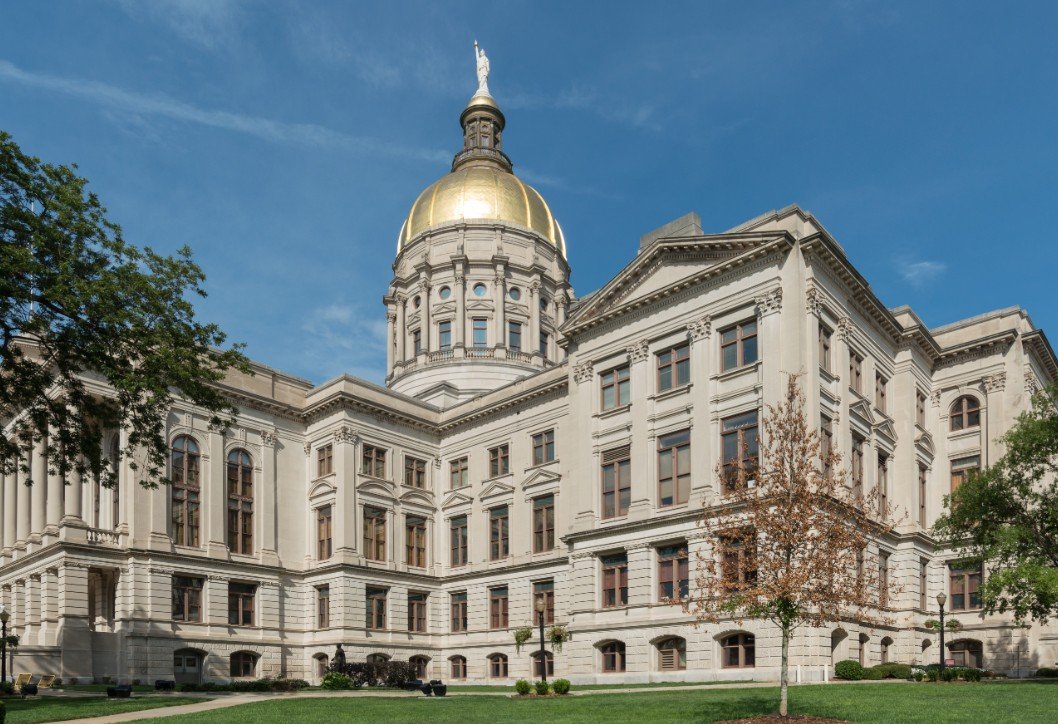
Overall, this influx refreshes the Gold Dome, potentially leading to innovative policies that benefit Georgians.
As the session unfolds, these changes remind us of democracy’s fluid nature. Share your thoughts on how these new lawmakers might influence Georgia politics, and comment below with your predictions for the upcoming elections.