
NASA officials have launched the first ever medical evacuation from the International Space Station, bringing four astronauts home early after a serious health issue hit one crew member. The Crew-11 team, aboard since last year, will undock on January 14, 2026, and splash down off California on January 15 amid this historic event.
What Led to the Evacuation
A medical problem struck one of the Crew-11 astronauts on January 7, 2026, prompting NASA to act fast. The agency described it as a serious condition but kept details private to respect privacy.
This marks the first time in the stations 25 year history that a crew returns early for health reasons. Officials stress the astronaut is stable, and the decision prioritizes safety above all.
NASA teams on the ground worked with international partners to plan the quick exit. The move shows how space agencies handle emergencies in orbit, where quick medical help is not always easy.
Experts say such events are rare because astronauts go through tough health checks before launch. Yet space travel brings unique risks like bone loss or vision changes from zero gravity.
Who Is on Crew-11
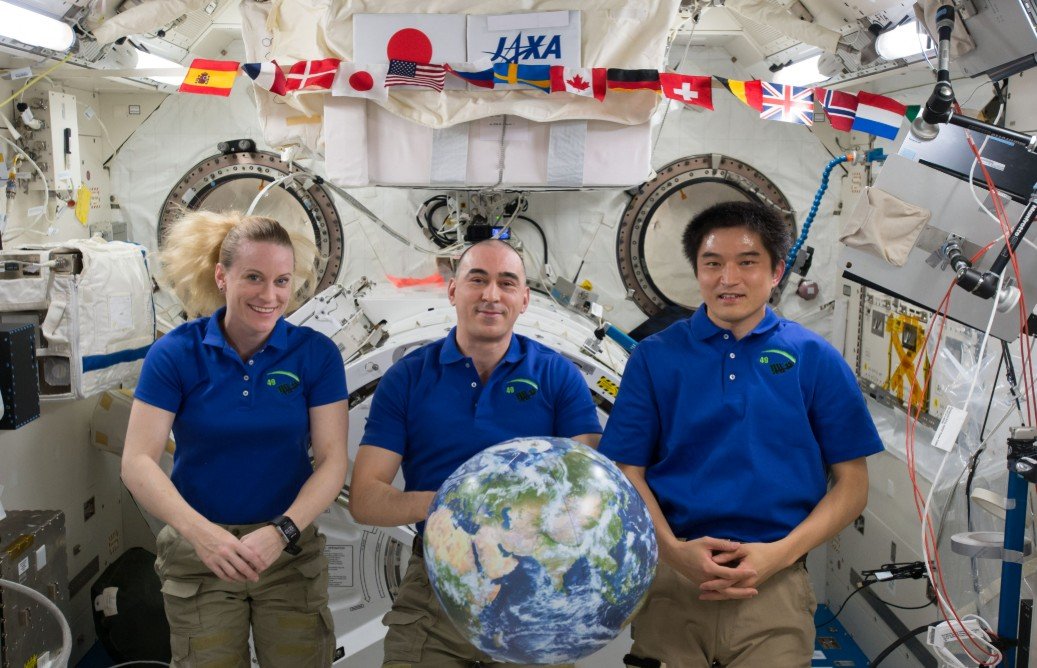
The Crew-11 mission launched in September 2025 on a SpaceX Dragon spacecraft. It includes a mix of NASA, Russian, and Japanese astronauts working together on science tasks.
Here are key details about the crew:
- Zena Cardman: NASA commander, a geologist with deep sea exploration experience.
- Mike Fincke: NASA pilot, a veteran astronaut who handed station command to a Russian colleague on January 12.
- Kimiya Yui: From Japans space agency, a mission specialist focused on robotics.
- Oleg Platonov: Russian cosmonaut, expert in station systems.
This team has run experiments on plant growth and human health in space. Their early return cuts short months of planned work, but backups are ready to step in.
Timeline of Events
The issue came up during routine checks last week. NASA spotted the problem on January 7 and started talks on options right away.
By January 8, the agency announced the evacuation plan. Crew members began packing their Dragon capsule on January 12, moving gear and personal items.
| Date | Key Event |
|---|---|
| January 7, 2026 | Medical issue detected in one astronaut |
| January 8, 2026 | NASA confirms early return decision |
| January 12, 2026 | Change of command and packing starts |
| January 14, 2026 | Planned undocking from ISS |
| January 15, 2026 | Expected splashdown in Pacific Ocean |
On January 13, the crew reviewed reentry steps using tablets from the spacecraft. Splashdown teams in California stand by for recovery.
This timeline fits with NASAs goal to get the astronaut back for full medical care on Earth.
How NASA Manages Space Health Crises
Space medicine has come a long way since the early days of flight. The ISS has tools like ultrasound machines and video links to doctors on the ground.
In this case, the crew acted fast to help their teammate. NASA says the stations medical setup worked well, but some issues need Earth based treatment.
Past events offer lessons. For example, in 2024, astronauts dealt with eye problems from fluid shifts in space. NASA now trains crews better for such risks.
International rules ensure all partners agree on evacuation plans. This event tests those systems without major hitches so far.
Impact on Future Missions
This evacuation will not delay the Artemis 2 moon mission set for later in 2026. NASA says teams are separate, and lessons here will improve safety for deep space trips.
The ISS continues with other crew members taking over tasks. A new team arrives soon to keep research going.
Experts predict more focus on health tech for long missions to Mars. Things like better telemedicine could prevent future early returns.
This event reminds us of the human side of space exploration. Astronauts face real dangers, but advances keep pushing boundaries.
What Happens Next
After splashdown, the crew will get full checkups at a NASA site. Doctors expect a smooth recovery for the affected astronaut.
The Dragon capsule will undergo checks before its next use. NASA plans a review to share what they learned.
Space fans watch closely as this unfolds. It shows the grit needed for off world life.
Share your thoughts on this historic moment in the comments below. What do you think it means for future space travel? Spread the word by sharing this article with friends.
