
A landmark conservation agreement has protected over 10,000 acres of vital forests and waterways along the Georgia-Alabama border. Announced in mid-December 2025 by The Conservation Fund, this deal secures rare longleaf pine habitats and boosts public access in a key Southeastern ecosystem.
What the Stateline Forest Project Achieves
This project, known as Stateline Forest, covers 10,345 acres across two states. It focuses on preserving one of the South’s most threatened landscapes.
The effort includes 45 miles of protected streams and rivers. These waterways support diverse wildlife and help maintain clean water supplies for nearby communities.
Experts highlight how the deal improves wildfire resistance through better forest management. Longleaf pine forests, once widespread, now cover only a small fraction of their original range.
The acquisition prevents development pressures that could fragment this area. Instead, it keeps the land as a working forest, balancing conservation with sustainable timber practices.
Why This Border Region Matters for Nature
The forests here provide homes for rare species, including several types of bats and aquatic creatures. The area links to larger river systems like the Tallapoosa and Coosa.
Conservationists note that these lands store significant amounts of carbon, aiding in climate change fights. Estimates suggest the forest could hold millions of metric tons of CO2 equivalent over time.
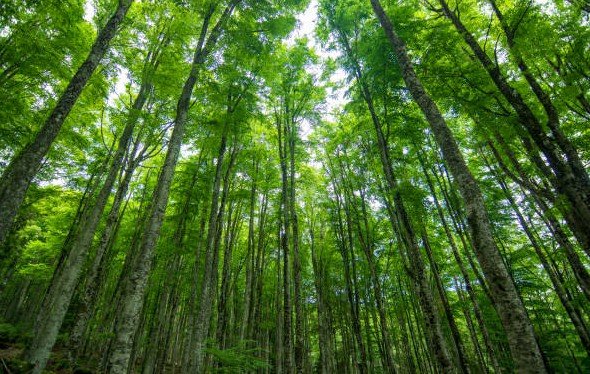
Local watersheds benefit too, as protected areas filter pollutants and reduce flood risks. This is crucial in a region facing more intense storms due to changing weather patterns.
- Key species protected: Indiana bats, gopher tortoises, and various mussels in the streams.
- Habitat types: Mix of longleaf pine savannas, hardwood forests, and riparian zones.
- Water features: Includes branches of major rivers that feed into the Gulf of Mexico.
Recent studies show similar conservation efforts in the Southeast have boosted biodiversity by up to 20 percent in protected zones.
Who Made This Conservation Win Possible
The Conservation Fund led the project, working with state agencies from Georgia and Alabama. Federal partners, including the U.S. Forest Service, provided funding and expertise.
Private donors and grants filled in the gaps. This multi-group approach has become a model for large-scale land protection in the U.S.
One key player emphasized the cross-border cooperation. Teams from both states shared data and plans to ensure seamless management.
The deal builds on earlier efforts, like a 2023 plan that identified this area as a high priority. Now completed in 2025, it marks a quick turnaround from planning to action.
Benefits for People and Local Economies
Public access is a big win, opening trails for hiking, fishing, and hunting. This could draw tourists to rural areas near the border.
Local economies might see gains from eco-tourism. Studies from similar projects show annual visitor spending can reach millions in nearby towns.
The forest will continue as a source of sustainable timber, supporting jobs without harming the environment. This balances economic needs with nature protection.
| Benefit | Description | Estimated Impact |
|---|---|---|
| Recreation | New trails and access points | Up to 50,000 visitors per year |
| Water Quality | Protected watersheds | Reduces pollution by 15-20% |
| Job Support | Sustainable forestry | Maintains 100+ local positions |
| Carbon Storage | Forest sequestration | 500,000 metric tons CO2e annually |
Communities in West Georgia and East Alabama stand to gain from healthier environments and new outdoor options.
Looking Ahead to More Protection Efforts
This success could inspire similar deals in the Southeast. With climate pressures rising, experts call for more such initiatives.
In 2025, other states like Florida have protected large tracts, showing a trend toward bigger conservation goals. Georgia and Alabama might expand on this work soon.
The project aligns with national goals to conserve 30 percent of U.S. lands by 2030. It sets a strong example for bipartisan environmental action.
As threats like urban sprawl grow, deals like Stateline Forest offer hope. They remind us that timely action can preserve natural treasures for future generations.
What do you think about this conservation milestone? Share your thoughts in the comments and spread the word to support more efforts like this.
