
Scientists have uncovered that kissing likely started over 21 million years ago in the common ancestor of humans and great apes. This new study from researchers at the University of Oxford, published in 2025, shows Neanderthals probably kissed too, and even shared smooches with early humans.
This discovery solves part of an old puzzle about why people and animals kiss. It points to deep roots in evolution for bonding and social ties.
The Groundbreaking Study on Kissing Origins
Experts analyzed behaviors in modern primates and other animals to trace kissing back in time. They used evolutionary models to estimate when this mouth to mouth contact first appeared.
The research defines kissing as gentle oral contact without food transfer. It excludes aggressive bites or feeding actions seen in some species.
By comparing great apes like chimpanzees and bonobos, the team pinned the origin to a shared ancestor around 21 million years ago. This predates humans by millions of years.
They also looked at fossil records and genetic data from Neanderthals. The findings suggest these ancient relatives engaged in similar behaviors.
This work builds on earlier ideas that kissing helped with social bonds or mate choice. It challenges views that saw kissing as a purely human trait from recent history.
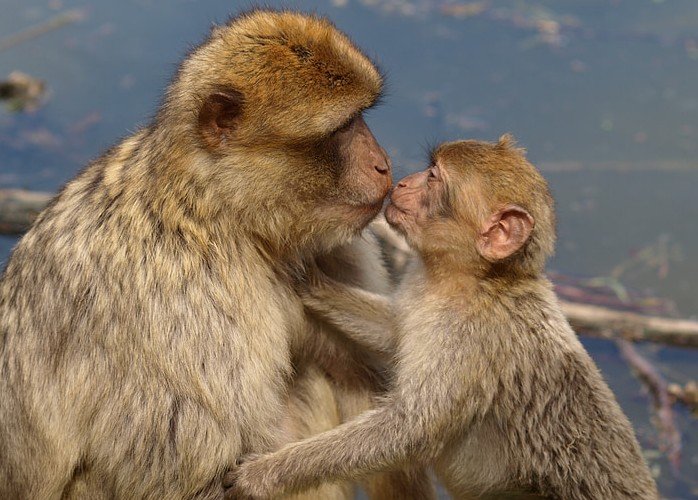
Kissing Across the Animal World
Kissing like behaviors show up in surprising places beyond apes. Researchers spotted them in various mammals and birds, hinting at wider evolutionary roles.
For example, wolves nuzzle muzzles in greeting rituals. Prairie dogs press mouths together during social interactions.
Even polar bears engage in sloppy, tongue heavy contacts. Albatrosses touch beaks in ways that mimic kissing for pair bonding.
These examples show kissing is not unique to primates. It appears in species that form strong social groups or long term pairs.
Here is a quick look at some animals that display kissing behaviors:
- Great apes: Chimpanzees and bonobos kiss to reconcile after fights or show affection.
- Canines: Wolves and dogs use mouth contact for pack bonding.
- Rodents: Prairie dogs kiss to strengthen family ties.
- Birds: Albatrosses beak touch to maintain lifelong partnerships.
- Bears: Polar bears include tongue in their affectionate nuzzles.
This diversity suggests kissing evolved multiple times for similar reasons across the tree of life.
The study highlights how these actions persist in wild populations today. It draws from observations in zoos and natural habitats.
Why Did Kissing Evolve?
Kissing poses an evolutionary riddle because it lacks clear survival perks. Yet it may offer hidden benefits for reproduction and health.
One theory links it to assessing immune compatibility. When people kiss, they exchange scents and tastes that reveal genetic fitness.
This ties to major histocompatibility complex genes, which help fight diseases. Compatible genes could lead to healthier offspring.
In apes, kissing might reduce stress after conflicts. It releases feel good chemicals like oxytocin, strengthening group ties.
For early humans and Neanderthals, it could have aided interbreeding. Genetic evidence shows they mixed, and kissing might have played a role in attraction.
Experts note kissing spreads germs, so it tests a partner’s health. Only robust individuals would risk it regularly.
This behavior also appears in grooming rituals. Apes pick parasites from each other, sometimes involving mouth contact.
Over time, this may have shifted to pure affection without practical cleaning.
Neanderthals and Human Connections
The study shines light on Neanderthals, who lived alongside early humans until about 40,000 years ago. Evidence suggests they kissed in social and romantic ways.
Fossil sites show close human Neanderthal contact in Europe and Asia. Shared tools and art hint at cultural exchanges.
Genetic studies confirm interbreeding happened multiple times. Kissing could have been part of building those relationships.
Researchers used computer models to simulate evolutionary trees. They factored in kissing observations from living relatives.
This led to the conclusion that the common ancestor with Neanderthals had kissing traits. It pushes back origins far beyond previous estimates of 4,500 years from ancient texts.
Some experts debate if Neanderthal kisses were romantic or just social. But the overlap with human behavior is striking.
This adds to growing views of Neanderthals as sophisticated beings, not brutish cavemen.
Modern Day Kissing and Its Impact
Today, kissing remains a key part of human culture worldwide. But not all societies practice romantic lip locking.
In some places, cheek kisses or nose rubs serve similar roles. This variety echoes the evolutionary flexibility seen in animals.
Recent events, like the global pandemic, made people rethink kissing’s risks. Yet it bounced back as a sign of closeness.
Studies in 2025 link kissing to mental health benefits. It lowers stress and boosts mood in relationships.
For singles, apps now factor in kissing compatibility quizzes. This blends ancient instincts with modern tech.
As research evolves, it could reveal more about how kissing shapes human bonds.
What This Means for Us Now
This discovery reminds us of our deep ties to the animal world. It shows how simple acts like kissing carry millions of years of history.
Experts call for more studies on kissing in endangered species. This could aid conservation by understanding social needs.
In daily life, it might make your next kiss feel more profound, knowing its ancient roots.
What do you think about kissing’s long history? Share your thoughts in the comments and pass this article to friends who love science surprises.
