
Srinagar, Kashmir – As harsh winter grips the region, Government Medical College Srinagar released an urgent advisory on December 27, 2025, warning of a sharp rise in heart emergencies. The notice stresses that cold weather can trigger serious cardiac issues, urging people to seek quick medical help to avoid fatal outcomes.
This comes amid reports of increased heart attacks and strokes during the ongoing cold wave, with temperatures dropping below freezing. Experts explain that low temperatures make blood vessels narrow, raising blood pressure and straining the heart, a pattern seen worldwide but hitting hard in places like Kashmir.
Why Winter Boosts Heart Risks
Cold weather does more than chill the air; it poses real threats to heart health. Studies show heart attack rates can jump by up to 20 percent in winter months, based on global data from health organizations.
In Kashmir, this season’s severe cold has already led to more emergency room visits. Local doctors report that the body’s response to cold includes faster heart rates and thicker blood, which heightens clot risks.
Recent events highlight the issue. Just weeks ago, hospitals in the valley saw a surge in cases, linking back to the start of Chillai Kalan, the 40-day harsh winter period that began on December 21.
This trend aligns with patterns in other cold regions, like parts of Europe and North America, where similar spikes occur each year.
Key Groups Facing Higher Danger
Not everyone faces the same level of risk, but certain people need extra caution. Health experts identify specific groups based on medical history and lifestyle.
Those with past heart problems top the list, as their conditions worsen in cold.
- People over 65 years old, whose bodies struggle more with temperature changes.
- Smokers, since tobacco damages blood vessels and combines poorly with cold stress.
- Individuals with diabetes or high blood pressure, as these conditions amplify winter effects.
Younger adults are not immune either. Sudden outdoor activities in freezing mornings have led to unexpected emergencies.
Data from recent studies indicates that men under 50 in cold climates see a 15 percent rise in heart events during winter.
Vital Steps to Protect Your Heart
The advisory from GMC Srinagar offers clear guidance to cut risks. Simple daily habits can make a big difference.
First, dress in layers to keep your core warm. This helps prevent the blood vessel constriction that strains the heart.
Stay indoors during peak cold hours, especially early mornings when temperatures hit lows.
| Preventive Action | Why It Helps | How to Do It |
|---|---|---|
| Monitor blood pressure | Catches rises early | Check weekly at home or clinic |
| Keep up medications | Maintains heart stability | Follow doctor schedules strictly |
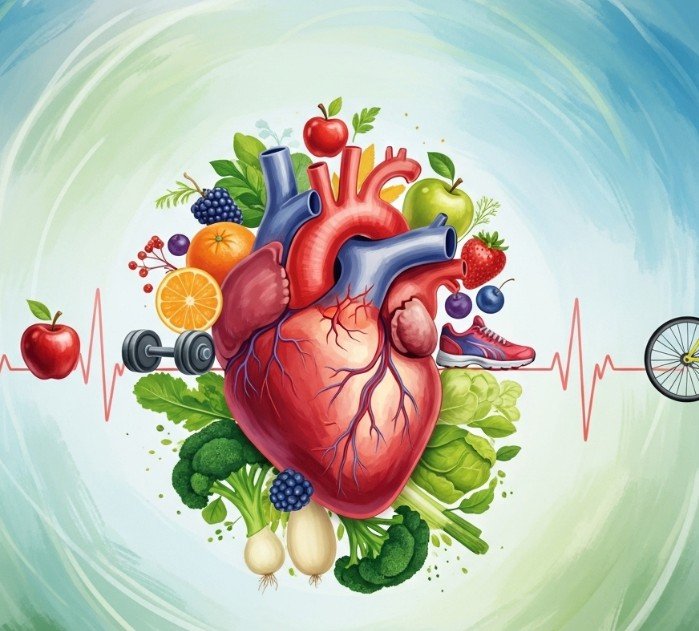
| Eat heart-healthy foods | Reduces cholesterol buildup | Include oats, nuts, and greens |
| Limit alcohol and caffeine | Avoids extra heart strain | Opt for warm herbal teas instead |
Moderate exercise indoors, like walking or yoga, keeps you fit without exposure.
Avoid heavy lifting or shoveling snow right after waking, as this can trigger attacks.
Insights from Medical Experts
Cardiologists across Kashmir echo the advisory’s message. One leading doctor noted that delays in treatment often turn minor issues into tragedies.
Global research backs this up. A 2025 study from a major health journal found that quick response cuts death rates by 30 percent in winter cardiac cases.
In India, similar alerts have come from hospitals in northern states, where winter pollution adds to the risks.
Local health officials also tie this to broader improvements in Kashmir’s health sector, like better emergency setups, but stress personal awareness remains key.
Broader Impact on Community Health
The rise in heart emergencies strains hospitals during winter peaks. Srinagar’s facilities, including GMC, prepare by stocking up on critical care tools.
Community programs now focus on education, with awareness drives in rural areas.
This advisory fits into ongoing efforts to tackle seasonal health challenges, including flu and respiratory issues that overlap with heart problems.
Recent data shows Kashmir’s overall health metrics improving in 2025, yet winter cardiac spikes remain a stubborn challenge.
Staying Safe This Season
As Kashmir endures its coldest days, the GMC advisory serves as a timely reminder. By recognizing symptoms like chest pain or shortness of breath and acting fast, lives can be saved.
Share this information with family and friends to spread awareness. What steps are you taking for heart health this winter? Let us know in the comments below.
