
United States Supreme Court Justice Samuel Alito addressed faith, mercy, and religious freedom during a key event at the Vatican on September 20, 2025. As part of the Jubilee of Justice celebration, he joined thousands of legal experts from around the world to discuss how mercy fits into modern legal systems.
Event Highlights and Papal Meeting
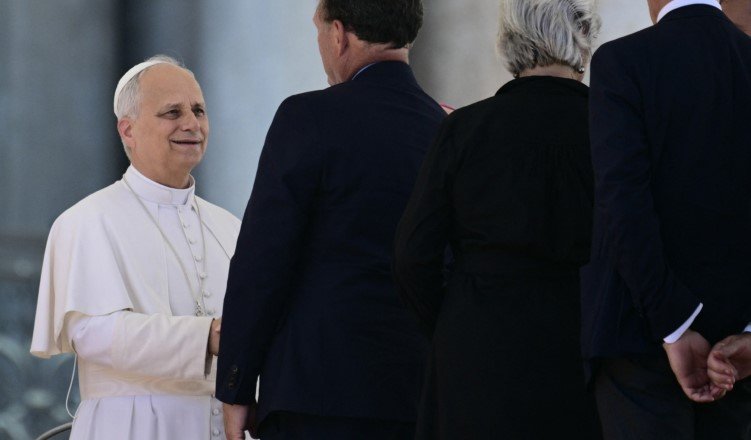
Justice Alito met with Pope Leo XIV during the jubilee audience, where the pope emphasized justice as a balance of law, human dignity, and forgiveness. The gathering drew about 20,000 participants from over 100 countries, including judges, lawyers, and canon law specialists.
This event marked a significant moment in the yearlong Jubilee of Hope, focusing on workers in justice fields. Alito, known for his strong stance on religious liberty, used the platform to highlight global challenges. He pointed out that religious freedom faces threats in many regions, far beyond issues seen in the United States and Europe.
The evening featured a public conversation in a historic Vatican hall, moderated by a Vatican court judge. Alito shared insights on how faith influences legal decisions, drawing parallels between church traditions and court precedents.
Attendees included prominent figures from North America, with a large group from the United States and Canada. The discussion underscored the need for mercy in lawmaking, enforcement, and sentencing.
Focus on Religious Liberty Threats
Alito warned that religious liberty is under siege worldwide, citing examples like attacks on Christians in Nigeria and restrictions on Uyghurs in China. He noted that while debates in Western nations often center on cultural issues, the global picture involves severe persecution.
He referenced ongoing terrorist acts against religious groups, such as those targeting Muslims in Iraq. These points aligned with broader concerns raised by international observers about rising intolerance.
In his remarks, Alito stressed that protecting religious freedom benefits society as a whole. He argued that diverse beliefs lead to stronger communities and better governance.
This speech comes amid recent U.S. court cases on faith-based rights, including decisions on public displays and school policies. Alito’s views reflect his two decades on the Supreme Court, where he has often championed conservative interpretations.
Mercy in Legal Systems
A core theme was integrating mercy into justice systems. Alito agreed with the pope that laws should allow room for compassion, especially in sentencing.
He explained how flexible guidelines can help judges consider individual circumstances. This approach, he said, promotes fairness without undermining the rule of law.
Alito drew from historical examples, noting how past legal reforms have balanced punishment with rehabilitation. He suggested that modern systems could learn from these to reduce recidivism rates.
During the Q&A, he addressed how mercy applies in high-stakes cases, like those involving national security or violent crimes. He emphasized that mercy does not mean leniency but informed empathy.
| Aspect of Mercy in Law | Description | Example |
|---|---|---|
| Law Drafting | Building flexibility into statutes | Sentencing guidelines that allow for personal history |
| Enforcement | Discretion by prosecutors | Alternatives to prosecution for minor offenses |
| Sentencing | Judicial consideration of remorse | Reduced terms for first-time offenders showing change |
Supreme Court Dynamics and Precedents
Alito discussed the current nine-member Supreme Court, highlighting the value of diverse backgrounds in fostering debate. He said this setup ensures rigorous discussions, leading to well-rounded decisions.
He noted that while disagreements can be sharp, they remain professional and focused on learning. This collegiality, he added, strengthens the court’s authority.
On precedents, Alito compared them to church traditions, valuing their stability but allowing for corrections. He argued that societies must evolve by fixing past errors, like outdated rulings on civil rights.
This perspective ties into recent court shifts, such as revisiting affirmative action and abortion laws. Alito’s role in these has sparked national conversations on judicial balance.
Global Context and Future Implications
The jubilee event connects to broader 2025 trends, including international calls for debt forgiveness and ecological justice. Pope Leo XIV urged richer nations to cancel unpayable debts, linking it to global fairness.
Alito’s participation builds on his history of Rome visits, often for academic and faith-based talks. In recent years, he has spoken at universities and conferences, reinforcing ties between U.S. law and Catholic principles.
Looking ahead, experts predict more focus on religious rights in upcoming court terms. Issues like online expression and workplace accommodations could shape future rulings.
This gathering highlights how faith and law intersect in addressing modern challenges. It offers hope for collaborative solutions in a divided world.
What do you think about Justice Alito’s views on mercy and religious freedom? Share your thoughts in the comments and pass this article along to spark discussions with friends.
