
In a quiet move that caught global attention, Israel appears to have sent new Spyder air defense systems to Georgia using a Ukrainian cargo plane. This transfer happened on November 28, 2025, with no official word from either country, sparking questions about military ties in the region.
The Mysterious Cargo Flight
Flight trackers spotted a Ukrainian An-124 Ruslan heavy transport plane loading gear at Ben Gurion Airport in Tel Aviv. The plane then flew to Tbilisi, Georgia’s capital, carrying what looked like three Spyder launchers.
Photos and videos shared online showed trucks backing into the plane’s cargo bay. People first thought it might be a different system, but clearer images revealed Spyder units on wheeled chassis. The flight path went over the Eastern Mediterranean and Black Sea before landing in Tbilisi.
This event stands out because Georgia has not announced any new buys. The plane came from the UAE and stopped briefly, adding to the puzzle. Experts say such moves often happen without public notice to keep strategies secret.
No one from Israel or Georgia has confirmed the delivery. Yet, the open flight data and pictures make it hard to ignore. This fits a pattern of quiet arms deals in tense areas.
What is the Spyder System?
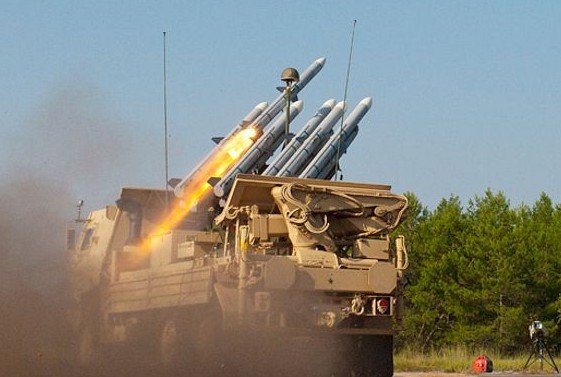
The Spyder is a mobile air defense setup made by Rafael Advanced Defense Systems in Israel. It fights off threats like planes, drones, and missiles with quick response times.
Spyder uses missiles based on air-to-air tech, turned into ground launchers. It works in all weather and can protect bases or moving troops. The system sets up fast, often in minutes.
Here are key features of the Spyder family:
- Short-range versions hit targets up to 20 km away.
- Medium-range options extend to 40 km or more.
- Missiles reach speeds of Mach 4 with smart seekers for accuracy.
- Each unit can handle multiple threats at once.
New upgrades include laser tech links and anti-drone roles. Israel rushed Spyder into service during recent conflicts to counter UAV attacks.
Georgia’s Past Deals with Israel
Georgia first got Spyder systems back in 2008, buying one battery of the short-range type. This helped build their air defenses amid regional tensions.
Over the years, Georgia has worked with Israel on other gear like drones and rocket launchers. In 2020, talks started about upgrading their old Spyder units to stronger versions.
The recent transfer might be part of that upgrade or a fresh buy. Images show 6×6 trucks, matching Georgia’s current setup. This could boost their range and power against modern threats.
No public details exist on costs or full plans. But experts think this strengthens Georgia’s defenses in the Caucasus, where borders are often disputed.
Other events tie in, like Romania’s big Spyder deal in July 2025 for over $2 billion. Greece is also talking with Israel about similar systems for their shield program.
Spyder Around the World
Many countries use Spyder for its reliability and ease of use. Operators include India, Singapore, and the Philippines, among others.
| Variant | Range (km) | Altitude (km) | Missiles per Unit | Key Users |
|---|---|---|---|---|
| Spyder-SR | Up to 20 | Up to 9 | 4 | Georgia, Peru |
| Spyder-MR | Up to 50 | Up to 16 | 8 | India, Vietnam |
| Spyder-ER | Up to 80 | Up to 20 | Varies | Morocco, UAE |
| Spyder All-in-One | Flexible | Flexible | Up to 8 | Emerging in tests |
This table shows how Spyder adapts to different needs. India has 18 batteries, using them against various threats. Recent sales to Kenya and Morocco show growing demand.
Upgrades in 2023 added ballistic missile defense. The All-in-One version packs everything into one vehicle for fast moves.
What This Means for Security
This delivery could shift power in the South Caucasus. Georgia faces pressures from neighbors, and better air defenses help deter attacks.
It also highlights Israel’s role in global arms trade. With conflicts ongoing, such systems are in high demand. The use of a Ukrainian plane adds an interesting layer, as Ukraine deals with its own air defense needs.
Analysts see this as part of broader trends. For example, Israel’s Iron Beam laser system finished development in December 2025, pointing to advancing tech.
The quiet nature raises transparency issues. Without statements, it fuels speculation about alliances and future conflicts.
If you found this article helpful, share it with friends or leave a comment below on what you think this means for the region.
