
India’s government is set to launch a major 7350 crore scheme to ramp up local production of sintered rare earth permanent magnets. This move targets building a complete homegrown supply chain for these key parts used in electric vehicles, electronics, and defense, aiming to cut reliance on imports amid global supply worries.
Why India Needs This Magnet Push Now
Global supply chains for rare earth magnets have faced big shakes lately. China, the top supplier, put export limits in place earlier this year, hitting India’s auto and tech sectors hard.
Demand inside India keeps growing fast. Experts say the country needs about 4000 tonnes of these magnets each year right now. That number could jump to over 8000 tonnes by 2030 as electric cars and gadgets take off.
This scheme steps in to fill the gap. It focuses on creating magnets from start to finish within India, from raw materials to final products.
Officials point out that making these magnets locally will help secure supplies for critical areas. Defense tools, wind power setups, and consumer devices all depend on them.
Key Details of the New Scheme
The plan, expected to kick off soon, will run for seven years. It aims to set up five big manufacturing units across the country.
Each unit could produce up to 1200 tonnes per year. Companies can apply for slots starting from 600 tonnes, going up in 100 tonne steps.
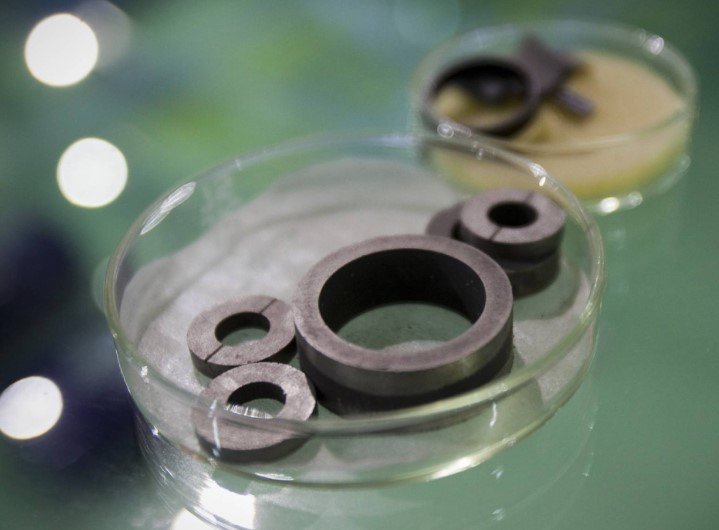
The focus is on sintered neodymium iron boron magnets, the most common type. These get made through a process that turns rare earth oxides into metals, then alloys, and finally magnets.
India lacks the tech for some steps today, so the scheme pushes for new investments. It stands alone from other government programs, giving fresh support.
Here are the main goals:
- Build a full local chain for magnet production
- Reach 6000 tonnes total output by 2030
- Support key industries like EVs and defense
- Reduce costs that are now 43 percent higher than global rates
Financial Support and Incentives
Firms that join will get two main types of aid. First, a subsidy tied to sales of the finished magnets.
Second, a capital boost of 15 percent on investments made after a set date this year. This helps cover high setup costs, since much equipment must come from outside China.
The total budget sits at 7350 crores. It includes funds for building plants and running them.
| Incentive Type | Description | Expected Benefit |
|---|---|---|
| Sales-Linked Incentive | Paid based on magnet sales volume | Encourages quick production and market entry |
| Capital Subsidy | 15% of eligible investments | Offsets high import costs for machinery |
| Gestation Period Support | Two years to set up facilities | Allows time for tech transfer and building |
This setup aims to make local production competitive. Without it, Indian buyers pay more due to import duties and supply issues.
Companies like major auto and steel players have shown interest. They need to invest at least a certain amount to qualify.
Impact on Industries and Economy
This push could change India’s role in global tech chains. Electric vehicle makers stand to gain the most, with magnets key for motors.
Electronics firms will see steadier supplies for phones and computers. Defense projects, from drones to missiles, rely on these parts too.
On the economy side, it could create jobs in mining, processing, and manufacturing. Estimates suggest thousands of new roles in coming years.
Reducing imports from China fits with broader goals. India has ramped up local making in chips and batteries lately, and this adds to that trend.
Challenges remain, like getting rare earth ores. India has some deposits, but mining them needs more work.
Challenges Ahead for Domestic Production
Building this chain won’t be easy. Tech know how for turning oxides into magnets is complex and mostly held abroad.
Costs for setup are steep, even with subsidies. Firms must import machines from places like Europe or Japan, adding to bills.
Supply of raw rare earths is another hurdle. India imports most oxides now, so boosting local mining is key.
Global prices swing based on demand. If EV sales slow, it could hit the plan.
Still, experts see strong potential. Recent events, like trade tensions, make self reliance a smart bet.
Looking Forward to a Self Reliant Future
This scheme marks a bold step for India’s manufacturing goals. By 2030, it could meet most local needs and even allow exports.
It ties into bigger plans for green energy and tech growth. With right execution, India could become a key player in rare earths.
As details firm up, watch for company bids and first production runs. This could reshape how India powers its future.
What do you think about this magnet production push? Share your views in the comments and spread the word to others interested in India’s economic moves.
