
Years of jokes, theories, and endless waiting all came to a head this fall when Hollow Knight: Silksong finally launched. Fans rushed in at once, overwhelming Steam and turning a long-running meme into a very real moment. After spending serious time in Pharloom, the question feels unavoidable. Did the sequel live up to the noise?
The short answer is yes. The longer answer takes some unpacking.
A launch fueled by years of obsession
Few indie games have carried expectations like Silksong.
Team Cherry first announced the sequel years ago, then largely went quiet. That silence gave fans space to speculate wildly. Release date jokes became a lifestyle. “Silksong tomorrow” turned into a mantra, half hope, half coping mechanism.
So when the game finally dropped on September 4, the reaction was explosive. Steam struggled under the load as players worldwide tried to download at once. Social feeds filled with screenshots, disbelief, and pure relief. The wait was over.
That kind of hype can crush a game before anyone even presses start. Expectations get warped. Small flaws feel bigger. Success becomes harder.
And yet, somehow, Silksong holds its ground.
Hornet steps into the spotlight
This time, the story centers on Hornet, a familiar face from the original Hollow Knight.
She wakes up captured and carried to Pharloom, a fallen insect kingdom tangled in silk, machinery, and secrets. From the opening moments, the tone feels different. Hallownest was quiet and mournful. Pharloom feels tense, restless, almost irritated.
Hornet herself changes the rhythm of the game. She is faster, sharper, more aggressive. Her needle and thread replace the Knight’s nail, and the difference shows immediately. Movement feels acrobatic. Combat leans forward instead of inward.
The narrative unfolds the way fans expect from Team Cherry. Sparse dialogue. Environmental clues. Long stretches where you are left alone with your thoughts and the echo of footsteps. It trusts players to pay attention, or miss things entirely.
Honestly, that trust is refreshing.
Movement and combat feel tighter and meaner
Moment to moment, Silksong feels demanding.
Platforming remains 2D and precise, but the spaces are busier. Hazards stack. Enemies overlap. There is less room to breathe. You are pushed to stay alert, to react quickly, to improvise.
Combat leans into that pressure. Hornet’s attacks are quick, but enemies hit hard and often come in groups. Timing matters more than before. Button-mashing gets punished fast.
Some areas feel almost overwhelming at first. Tight corridors filled with traps and enemies can frustrate, especially early on. Death comes often. Sometimes unfairly, or at least it feels that way.
Then something clicks.
You start reading rooms faster. You use tools more creatively. You learn when to push and when to back off. The difficulty starts to feel intentional rather than cruel.
That balance does not always hold perfectly, but when it works, it sings.
Customization adds strategy, and some tension
Customization returns with a twist.
Instead of charms, Silksong introduces tools and abilities tied to limited slots. You cannot equip everything. Choices matter. Loadouts shape how you approach fights and exploration.
At times, this feels restrictive. You will wish you could squeeze in just one more option. Backtracking to swap builds can break momentum.
Still, that friction forces commitment. You lean into a style.
Some players favor raw damage. Others prioritize mobility or reach. There is no single correct setup, and that flexibility keeps the game from feeling rigid.
It also adds tension before boss fights. You stop and think. Do you want safety, or speed? Power, or control?
That pause matters.
Boss fights soar, stumble, and soar again
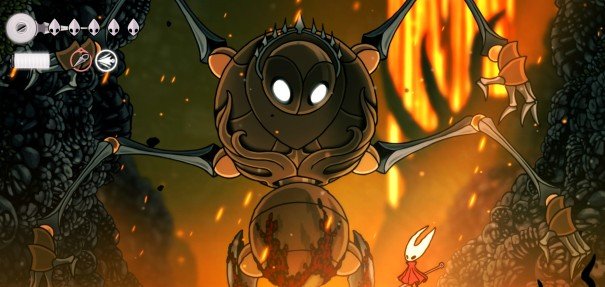
Boss design has always been a highlight of the series, and Silksong mostly delivers.
Several encounters are thrilling. Fast-paced duels that feel like dances, where learning patterns becomes muscle memory. When you finally win, it feels earned, not handed to you.
Not every boss lands equally well.
A few rely heavily on summoning additional enemies to boost difficulty. That approach can feel cheap. Instead of testing skill, it tests patience and crowd control. In those moments, the fight drags rather than sharpens.
Still, the highs outweigh the lows.
Late-game bosses, in particular, push creativity and reaction speed in ways that feel fair, if punishing. They demand focus. You cannot drift. You cannot half-pay attention.
One victory took me multiple sessions. When it finally happened, I had to put the controller down and breathe.
That feeling is rare.
Exploration remains the heart of the experience
Like its predecessor, Silksong rewards curiosity.
Pharloom is sprawling, layered, and easy to get lost in. Shortcuts loop back unexpectedly. Hidden paths hide meaningful upgrades. Some areas remain locked for hours, nagging at you until the right ability clicks into place.
The game encourages wandering. You will stumble into danger. You will find secrets you were not looking for. You will miss things entirely.
That sense of mystery carries the experience.
Music and sound design play a huge role here. Tracks swell softly, then vanish. Quiet moments stretch. The world feels alive, but distant, like it does not care whether you succeed.
That indifference gives discovery more weight.
Performance, polish, and the weight of expectations
For a game that broke Steam on launch, Silksong runs surprisingly well.
Minor bugs exist, yes. Occasional stutters. Small visual hiccups. Nothing game-breaking in my experience. Patches arrived quickly, and Team Cherry stayed quiet but effective, as usual.
The bigger challenge was emotional.
Years of waiting built a version of this game in people’s heads. No real product can fully match that imagined ideal. And yet, Silksong comes close enough to silence most doubts.
It does not try to reinvent the series. It refines it. Pushes difficulty. Shifts tone. Gives players a new lens without discarding what made the original beloved.
Was the hype justified?
After dozens of hours, the answer feels clear.
Hollow Knight: Silksong earns its place. It is demanding, beautiful, occasionally frustrating, and deeply satisfying. It respects its audience, even when it challenges them.
It will not be for everyone. Some will bounce off the difficulty. Others may miss the quieter pace of the first game.
But for those who waited, joked, theorized, and refreshed store pages for years, this feels like payoff.
