The Threat of H5N1 and What It Means for India
As the world continues to grapple with the aftermath of the COVID-19 pandemic, another viral threat has emerged that is raising alarms — H5N1, also known as avian influenza or bird flu. While it is primarily an animal virus, the risk of it spreading to humans has led to serious concerns, especially in regions like India, where the poultry industry is a vital part of the economy. Recent reports of animal fatalities have intensified fears, but how prepared is India for a potential outbreak?
H5N1 is a highly pathogenic strain of avian influenza that affects birds, other animals, and, in rare cases, humans. In this article, we’ll dive into how H5N1 spreads, its symptoms, and the precautions people can take to prevent infection.
How H5N1 Spreads and Who Is at Risk?
The H5N1 virus is primarily spread through the respiratory systems of infected birds. Birds that carry the virus may shed it through their saliva, nasal secretions, and feces, and humans can contract the virus by coming into direct contact with these fluids. Although human-to-human transmission is rare, the risk is greater for those who work in close proximity to poultry, such as farmers, slaughterhouse workers, and veterinarians.
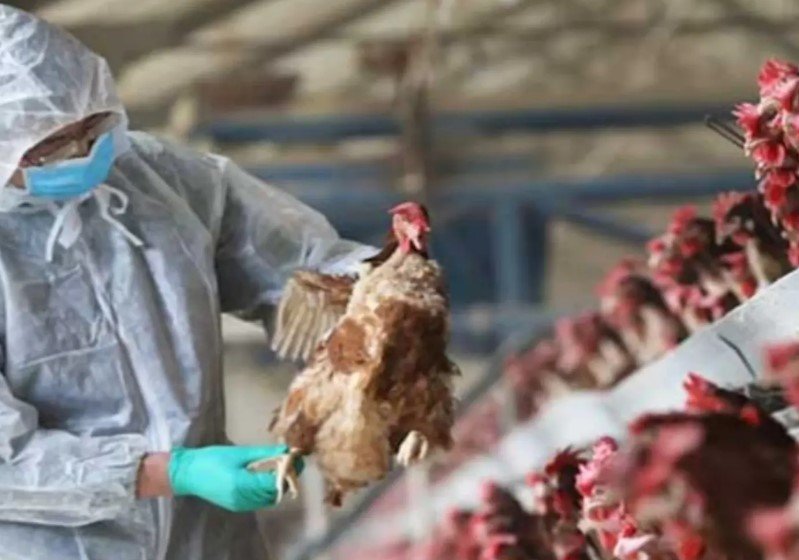
India’s large poultry sector, coupled with its wetlands and migratory bird flyways, puts the country at heightened risk for outbreaks. The recent deaths of three tigers and a leopard at a rescue center in Nagpur, reportedly caused by H5N1, have only amplified concerns. While H5N1’s transmission to humans has been limited, the virus’ high infection rates among animals make it a serious threat to both animal and human health.
Key points on how H5N1 spreads:
- Direct Contact: Infected birds’ saliva, nasal secretions, and droppings are the primary carriers of the virus.
- Close Proximity: People who work with poultry or live in areas with large bird populations are at higher risk.
- Wetlands and Migratory Routes: Regions like India’s wetlands and bird flyways are susceptible to H5N1 outbreaks due to migratory birds.
What Are the Symptoms of H5N1 Infection?
If H5N1 does infect a human, the symptoms usually appear within 2 to 8 days. The virus can cause a wide range of symptoms, and its severity depends on whether the person is infected with a Low Pathogenic Avian Influenza (LPAI) or High Pathogenic Avian Influenza (HPAI) strain.
Symptoms can be mild for some and severe for others. Initial signs often resemble those of the common flu: fever, cough, headache, fatigue, diarrhea, and sometimes seizures. However, in the case of more severe infections, H5N1 can escalate quickly to acute respiratory distress syndrome (ARDS) or sepsis — both of which can be fatal without prompt medical intervention.
Common symptoms of H5N1 infection include:
- Fever and chills
- Severe cough and fatigue
- Headaches and muscle aches
- Diarrhea and vomiting
- Seizures (in severe cases)
Early detection and isolation of infected individuals are essential to preventing the virus from spreading further.
Has H5N1 Been Present in India Before?
India is not new to H5N1. Traces of the virus were first discovered in the country back in 2006, in the state of Maharashtra. Since then, there have been 284 confirmed cases of H5N1 infection in India. The virus has primarily affected birds in states like Maharashtra, West Bengal, and Odisha. However, despite the widespread presence of H5N1 in animals, there have only been two confirmed cases of human infection.
This statistic is somewhat reassuring but still leaves room for concern. With such a high number of animals affected, the risk of human transmission increases if the virus mutates or spreads beyond its typical transmission pattern. Global health experts are keeping a close eye on potential mutations that could make the virus more contagious to humans, similar to how COVID-19 spread.
India’s Preparedness and the Way Forward
While India has not experienced a large-scale H5N1 outbreak among humans, the country’s preparedness remains a key concern. The government has ramped up surveillance in areas known to be at risk, including poultry farms, wetland habitats, and bird sanctuaries. Public health organizations are also working to raise awareness about the dangers of bird flu and how people can protect themselves.
Some measures already in place to prevent the spread of H5N1 include:
- Strict biosecurity practices in poultry farms
- Monitoring migratory birds and other wildlife for early signs of infection
- Public awareness campaigns to educate people about symptoms and prevention
- Isolation and culling of infected animals to prevent further outbreaks
Additionally, the WHO and national health agencies are coordinating efforts to ensure that if an outbreak does occur, there are resources and plans in place to manage the situation effectively.
How Serious Is the Threat?
Although the risk of H5N1 spreading to humans remains relatively low, the discovery of new cases among wildlife and the large number of infected birds in India highlights the importance of staying vigilant. With India’s large population and close interaction with poultry, it’s essential that public health measures remain robust and adaptive. As experts continue to monitor the situation, India must be prepared to respond quickly to any emerging threats from H5N1.