
The games industry loves surprises. Every year rewrites expectations, humbles confident predictions, and crowns winners nobody saw coming. Still, looking ahead to 2026, a few signals are too loud to ignore. Big releases, bold bets, and unresolved tensions are lining up fast.
For players, studios, and investors alike, 2026 is shaping up as a year that could leave a mark.
GTA 6 and the weight of expectation
No game casts a longer shadow over 2026 than Grand Theft Auto 6.
If it launches on its current target date of November 19, the release will feel less like a product drop and more like a global event. Rockstar has already delayed the game twice, released another carefully controlled trailer, and kept details locked down tight.
That silence hasn’t cooled hype. It’s done the opposite.
Fans dissect every frame, every palm tree, every line of dialogue. Social media swings between excitement and dread. What if it slips again? What if it can’t live up to a decade of anticipation?
One thing feels safe to say. If it arrives, records will fall.
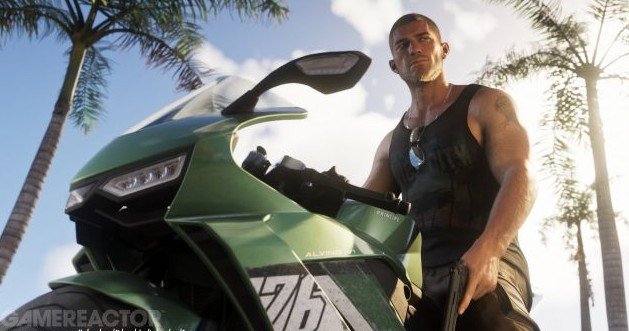
Pre-orders, streams, social buzz, sales velocity. GTA 6 is expected to dominate charts in ways few modern games can. Analysts already see it as a test case for whether blockbuster single releases can still move the entire industry needle.
Behind it all sits Rockstar Games, a studio known for perfectionism, secrecy, and an almost stubborn refusal to rush.
That patience may define 2026 more than any other factor.
Big franchises in unfamiliar positions
Recent years have scrambled long-held assumptions.
Once-unthinkable outcomes have already happened. Battlefield 6 topping annual charts over Call of Duty shocked plenty of observers. It was a reminder that loyalty isn’t permanent and momentum can flip.
That volatility is likely to continue.
Major franchises are under pressure to evolve without alienating fans. Live-service fatigue is real. Players are more selective. Updates need to feel meaningful, not cosmetic.
Studios are quietly wrestling with a tough question. How do you keep massive franchises fresh when players have seen every trick?
Some will try scale. Bigger maps. Bigger budgets. Louder marketing.
Others may experiment with restraint.
In 2026, the success stories may come from unexpected pivots rather than brute force.
The business of gaming keeps shifting
Beyond releases, ownership and money flows are changing the industry’s shape.
The idea that Saudi Arabia could acquire a major publisher like Electronic Arts once felt far-fetched. Now, nothing feels off the table. Sovereign wealth, private equity, and cross-border deals are increasingly normal.
This matters for players more than it seems.
Ownership influences risk tolerance, creative freedom, and long-term planning. A studio backed by patient capital behaves differently from one chasing quarterly results.
In 2026, expect more debate around who controls gaming’s future, and why.
Some fans worry about consolidation. Others see stability.
Both sides have a point.
The unpredictable rise of new studios
If recent history teaches anything, it’s this. Breakout hits don’t always come from familiar names.
A previously unknown French studio winning game of the year would have sounded unrealistic not long ago. Yet it happened.
That pattern is likely to repeat.
Smaller teams are using sharper tools, leaner workflows, and direct community feedback to compete with giants. Distribution barriers are lower. Discovery, while still tough, isn’t impossible.
In between AAA releases, players are hungry for surprise, for games that feel personal, weird, or emotionally sharp.
2026 could produce another breakout nobody predicted.
And when it happens, retrospectives will pretend the signs were obvious all along.
Technology, patience, and player trust
There’s also a growing tension between speed and trust.
Players have become wary of unfinished launches, bloated patches, and promises that don’t land. Delays, once seen as failures, are sometimes welcomed now if they lead to better games.
GTA 6 sits at the center of that debate.
Every delay tests patience, but it also reinforces Rockstar’s image as a studio unwilling to ship half-baked work. Other developers are watching closely.
If GTA 6 succeeds after a long wait, it may encourage more studios to slow down. If it stumbles, pressure to rush could return with force.
That outcome won’t just affect one title. It could reshape production culture across the industry.
Community, culture, and the conversation around games
Games no longer live only on consoles and PCs.
They live on streams, forums, reaction videos, and endless comment threads. Cultural impact now extends far beyond gameplay itself.
In 2026, launches will be judged not just by mechanics, but by how they handle representation, monetisation, and community response.
Missteps spread fast. So does praise.
Developers are learning that transparency matters. Silence can build mystique, but it can also breed frustration.
Finding the balance is tricky.
Some studios will get it wrong. Others will surprise everyone.
Why 2026 feels different
Every year brings hype. Few years bring this much weight.
Between the looming presence of GTA 6, shifting power structures, unpredictable breakout hits, and changing player expectations, 2026 feels like a checkpoint moment.
A pause. A recalibration.
Not everything will land. Some promises will fade. A few games will disappoint loudly.
But a handful will redefine what players expect next.
That’s why fans are watching closely, even if nobody dares to predict too much.
