Google DeepMind just unveiled Veo 3.1, its upgraded video generation model, putting it in head to head competition with OpenAI’s Sora 2. This launch, announced on October 15, 2025, adds audio features, better editing tools, and more control for creators, heating up the battle in AI video tech.
The move comes right after OpenAI rolled out Sora 2 with its own audio sync and realistic physics. Google aims to give filmmakers and everyday users powerful tools to make videos from text or images, complete with sound and smooth edits.
What Veo 3.1 Brings to the Table
Veo 3.1 builds on the earlier Veo 3 model by improving how it follows user prompts. Creators can now generate videos with native audio that matches the action, like characters speaking or adding sound effects.
This update integrates with Google’s Flow tool, which lets people turn ideas into full videos. Users have made over 275 million clips with Flow since its debut five months ago, showing strong demand for easy AI video creation.
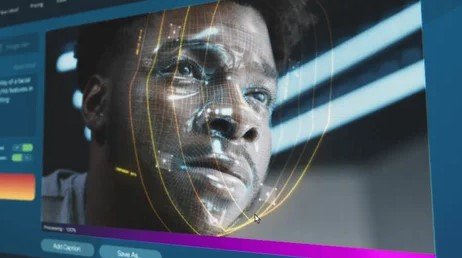
One big plus is the ability to convert static images into moving videos with better realism. The model handles details like lighting and shadows, making scenes look natural.
Flow now includes tools like Insert, which adds objects or people to videos, and an upcoming Remove feature to delete unwanted elements. These changes make editing simpler without needing pro skills.
How It Stacks Up Against Sora 2
OpenAI’s Sora 2 launched days before, on October 1, 2025, and it shines in physical accuracy, like realistic movements in generated clips. It also syncs audio well, letting users create videos with sound in one step.
Google’s Veo 3.1 counters with stronger editing options and integration into tools like the Gemini app. While Sora 2 focuses on controllability and an iOS app for remixing videos, Veo 3.1 emphasizes narrative flow and multi shot effects.
Experts note that Veo 3.1 supports longer videos, up to a minute at 1080p, compared to Sora 2’s shorter clips. Both models aim for high quality, but Google’s version excels in lip sync and audio alignment from the start.
A side by side look shows differences in ease of use. Sora 2 offers monetization features, while Veo 3.1 ties into Google’s ecosystem for broader access.
Here is a quick comparison of key features:
| Feature | Google Veo 3.1 | OpenAI Sora 2 |
|---|---|---|
| Audio Generation | Native sync with lip movements | Synchronized sound in one go |
| Video Length | Up to 1 minute at 1080p | Shorter clips, up to 20 seconds |
| Editing Tools | Insert, Remove, Extend | Remix and insert self in videos |
| Integration | Flow, Gemini API, Vertex AI | iOS app and web access |
| Strengths | Narrative control, realism | Physical accuracy, controllability |
This table highlights how each model targets different creator needs, with Veo 3.1 leaning toward professional workflows.
Availability and How to Get Started
Veo 3.1 is rolling out now through Google’s platforms. Subscribers to Google AI Pro and Ultra plans can access it via the Flow tool right away.
Developers can use it in the Gemini API for building custom apps. The model also appears in Vertex AI for enterprise users, making it easy to add to business projects.
For casual users, the Gemini app offers a simple way to try it. Google plans to expand based on feedback, with more features coming soon.
Access requires a subscription, but free trials might pop up as adoption grows. This setup contrasts with Sora 2’s app based approach, which targets social sharing.
Impact on Creators and the Industry
The rivalry between Google and OpenAI is pushing AI video forward fast. Creators now have tools that cut down production time and costs, opening doors for indie filmmakers and marketers.
Concerns linger about deepfakes and job loss in creative fields. Both companies stress safety, with watermarks on generated content to spot AI made videos.
Recent events, like the rise of AI in Hollywood strikes last year, show how these tools could change entertainment. Users on social platforms praise the audio features for making videos more engaging.
Looking ahead, this competition might lead to even better models by year’s end. For now, Veo 3.1 gives Google a strong edge in versatile video creation.
Why This Matters for You
AI video tools like these solve real problems for content makers. They let anyone produce pro level clips without big budgets, sparking creativity in education, ads, and fun projects.
If you work in media or just love making videos, these updates could change your workflow. Share your thoughts in the comments below or pass this article to friends who might find it useful. What features excite you most?