
Georgia State University has achieved a major milestone by securing $165.86 million in research grants during fiscal year 2025. This marks the fourth straight year the university has topped $160 million in funding, supporting over 1,250 projects and boosting its status as a top research institution in Atlanta.
Record Funding Drives Innovation
This impressive grant total reflects Georgia State’s growing role in research. The university holds an R1 rating from the Carnegie Foundation, which means it ranks among the nation’s elite for high research activity. In fiscal year 2025, funds came from various sources, including federal agencies and private partners.
President M. Brian Blake highlighted how this funding ties into student success. He noted that research builds knowledge that prepares students for real-world challenges. The grants also fuel work in key fields like psychology, computer science, and education.
Nicolle Parsons-Pollard, the provost, praised the team’s dedication. She said hundreds of faculty, staff, and students push boundaries daily. This effort strengthens the university’s academic mission.
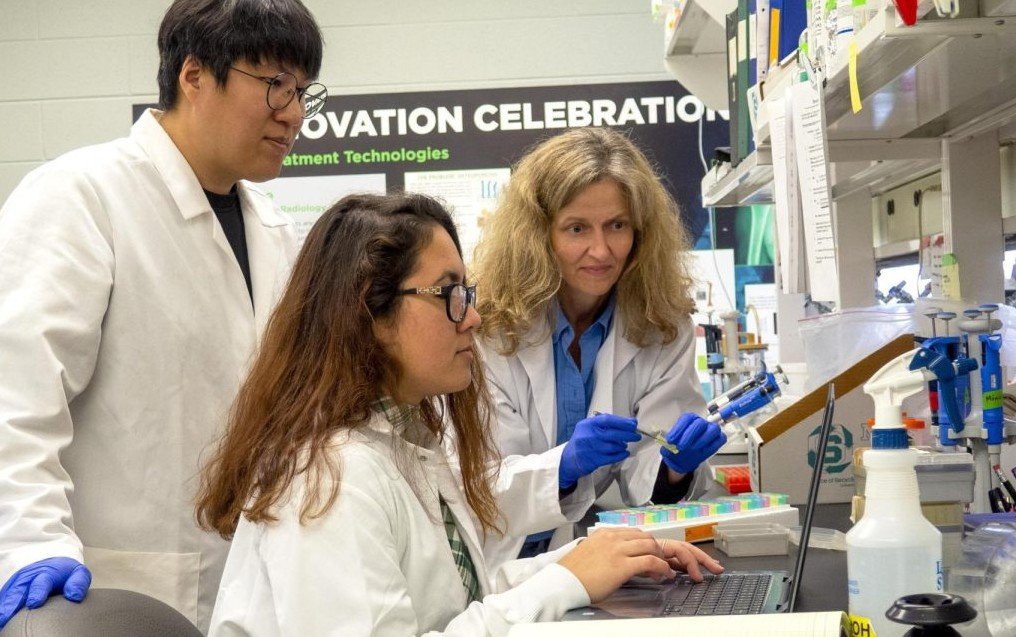
Donald Hamelberg, vice president for research, pointed to the school’s flexibility. He explained that adapting to changes in grant landscapes helps secure more opportunities. Being in downtown Atlanta aids partnerships with industry and government leaders.
Top Areas and Colleges Leading the Charge
Psychology led the way in publications, showing strong output from funded projects. Computer science and education followed closely, with business economics and neuroscience also ranking high.
The Andrew Young School of Policy Studies received the most funding at $32.76 million. This school focuses on policy issues that impact communities.
Next, the College of Education & Human Development got $29.54 million. Their work often targets improving teaching and human development.
The College of Arts & Sciences earned $29.48 million, supporting a wide range of scientific and creative studies.
Other colleges contributed too, spreading the funds across disciplines. This balance ensures broad impact.
Recent Grants Highlight Health Advances
One standout award went to Cynthia Nau Cornelissen, a biomedical sciences professor. She secured nearly $7 million in federal grants to fight sexually transmitted infections. This work aims to develop vaccines and treatments.
Such grants show Georgia State’s focus on public health. They address real problems like disease prevention in communities.
The university also announced winners for fiscal year 2026 internal grants. Over 20 faculty across 17 departments will get support for diverse projects.
- Internal grants help kickstart new ideas before seeking larger funding.
- They cover fields from arts to sciences, promoting innovation.
- Past winners have led to breakthroughs in education and technology.
Economic Impact and Future Outlook
Georgia State’s research creates big economic waves. A recent report shows the university generated over $3.2 billion in economic impact last year. It supported 21,013 jobs across the state.
This ties into broader state trends. Georgia’s university system budget for fiscal year 2026 includes significant investments in higher education.
| Key Economic Contributions | Details |
|---|---|
| Economic Impact | $3.2 billion in FY 2024 |
| Jobs Supported | 21,013 full and part-time |
| Research Projects Funded | Over 1,250 in FY 2025 |
| Top Funded College | Andrew Young School: $32.76 million |
Looking ahead, Georgia State plans to build on this momentum. Leaders aim to form more partnerships and explore emerging fields like artificial intelligence.
The university also set a fundraising record of $136.2 million in fiscal year 2025. This adds to grant money, helping expand research efforts.
Challenges and Strategies in a Changing Landscape
Grant funding can fluctuate with federal changes. Georgia State has updated its resources to handle issues like stop work orders.
Hamelberg stressed the need to stay nimble. The school seeks new partnerships to align with trends.
Proximity to Atlanta’s hubs gives an edge. It allows quick connections with experts in tech, health, and policy.
Students benefit too, gaining hands-on experience in funded projects. This prepares them for careers in growing fields.
Share your thoughts on how university research impacts your community. What topics should Georgia State focus on next? Comment below and spread the word to keep the conversation going.
