Georgia regulators gave the go-ahead to Georgia Power’s bold plan to boost electricity production by nearly 10 gigawatts, aimed at fueling the state’s booming data center industry. The unanimous decision by the Georgia Public Service Commission on December 19, 2025, clears the way for new gas plants and other upgrades, despite concerns over costs and environmental impact.
What the Approval Means for Georgia’s Energy Future
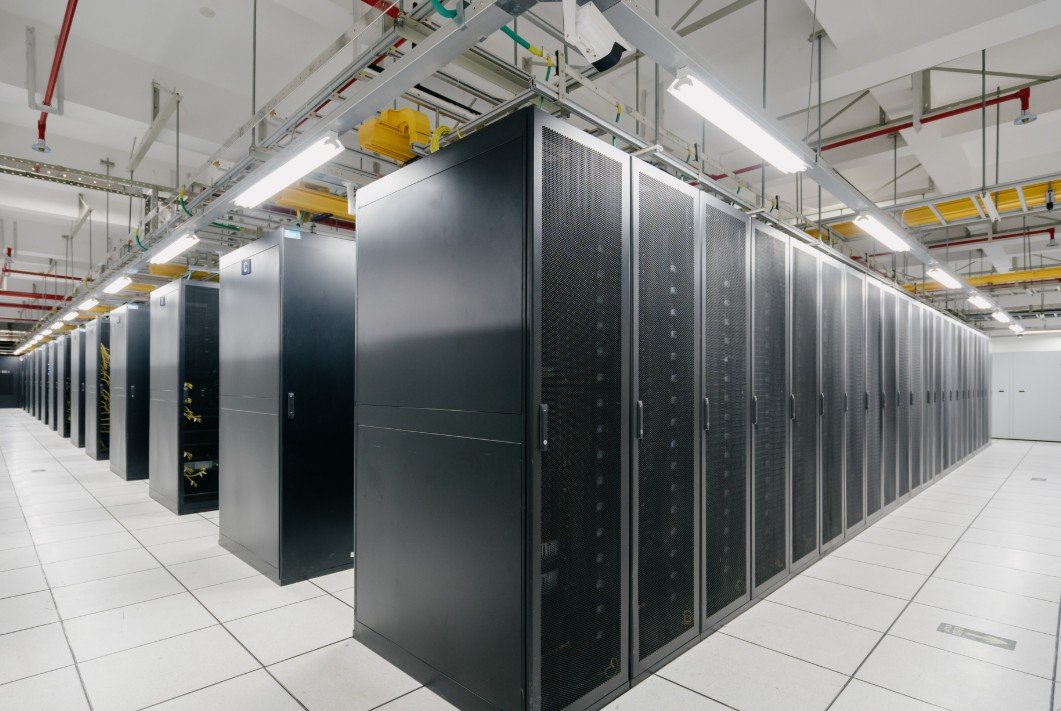
This move marks a major shift in how Georgia handles its growing energy needs. Georgia Power, the state’s largest utility, argued that the expansion is essential to attract and support data centers, which consume huge amounts of power for servers and cooling systems.
The plan includes building five new methane gas power plants, adding to existing facilities like Plant Scherer and Plant Bowen. Company officials say this will create jobs and drive economic growth, with projections showing demand from data centers could reach 31 gigawatts in the coming years.
Critics, including environmental groups, worry about reliance on fossil fuels. They point out that this could lock Georgia into higher emissions for decades, even as other states push for cleaner energy sources.
Key Details of the Expansion Plan
Georgia Power’s request stemmed from a surge in data center projects across the state. These facilities, often run by tech giants, need reliable, massive power supplies to operate 24/7.
Under the approved plan, the utility gains permission to add about 70 percent more capacity than it currently has. This equals enough electricity to power around 8.3 million homes, according to recent estimates.
The decision followed months of hearings where experts debated the projections. Some analyses suggested the demand might not fully materialize, risking billions in unnecessary costs.
To address concerns, Georgia Power agreed to a deal that could lower household bills by up to $100 a year starting in 2028, if data center revenues meet expectations.
Here are the main components of the expansion:
- New gas-fired power plants: Five units to provide baseload power.
- Grid upgrades: Investments in transmission lines to handle increased load.
- Revenue sharing: A portion of data center profits applied to reduce residential rates through 2031.
Environmental and Economic Concerns Raised
Opponents voiced strong objections during the final hearing. Protesters chanted against the vote, highlighting fears of rising utility bills and climate risks.
Environmental advocates argue the plan favors fossil fuels over renewables like solar and wind. A study using public data showed Georgia Power’s demand forecasts only panned out in 0.22 percent of simulations, suggesting overbuilding is likely.
On the economic side, some worry everyday customers will foot the bill if data centers fall short on commitments. Past rate hikes have already added hundreds to annual bills for many Georgians.
Despite this, supporters say the expansion positions Georgia as a tech hub, competing with states like Virginia and Texas for data center investments.
| Aspect | Projected Impact | Potential Risks |
|---|---|---|
| Energy Capacity | +10 GW by 2030 | Overbuilding if demand drops |
| Job Creation | Thousands in construction and tech | Short-term gains vs. long-term costs |
| Customer Bills | Possible $8.50 monthly savings (2029-2031) | Increases if revenues fall short |
| Emissions | Higher from gas plants | Delays in clean energy transition |
Reactions from Stakeholders and the Public
The decision sparked immediate backlash from groups like the Southern Environmental Law Center. They called for more transparency on revenue projections, which Georgia Power labeled as trade secrets.
Utility spokesman Jacob Hawkins defended the plan, stating it meets real demand from data centers and new industries. Governor Brian Kemp has praised similar initiatives for boosting Georgia’s economy.
Public sentiment on social media shows a mix of excitement and worry. Many users highlight job opportunities, while others question the environmental toll in a state already facing climate challenges.
Recent events, like Amazon’s $270 million land purchase in Lamar County for a potential data center, underscore the trend. This follows a pattern seen in 2025, with data centers driving energy talks nationwide.
Looking Ahead: Challenges and Opportunities
As Georgia Power moves forward, the focus will be on implementation. The utility must secure permits and begin construction, with the first plants expected online by 2028.
Experts predict this could influence national energy policy, especially with data centers projected to need 57 gigawatts across the U.S. by 2028. Georgia’s approach might set a model or spark debates on balancing growth with sustainability.
For residents, the key will be watching bill impacts. If the revenue-sharing deal holds, it could provide relief amid rising costs from inflation and other factors.
What do you think about this energy expansion? Share your thoughts in the comments below and spread the word by sharing this article with friends.