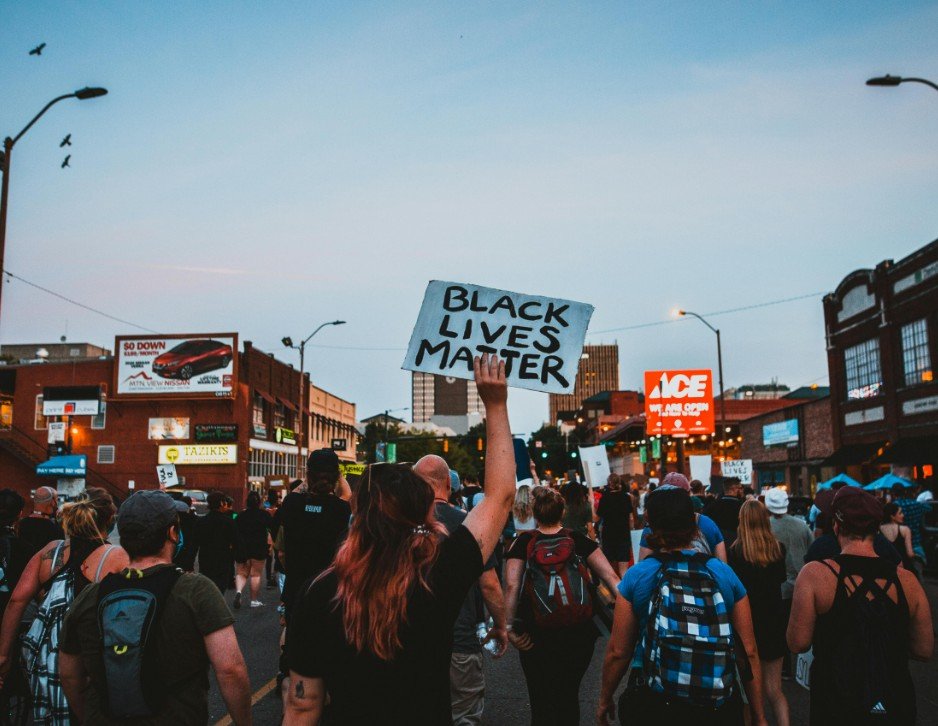
Crowds gathered in Tbilisi on November 28, 2025, to mark one full year of daily protests against the government’s move to pause European Union membership talks. Demonstrators, waving flags and beating drums along Rustaveli Avenue, voiced anger over what they see as a betrayal of Georgia’s pro-Western path.
This ongoing unrest started exactly a year ago when Prime Minister Irakli Kobakhidze announced the halt, sparking immediate rallies that have persisted despite harsh crackdowns.
Roots of the Unrest
The protests erupted on November 28, 2024, right after Kobakhidze’s speech declaring a four-year delay in EU accession talks. Many Georgians viewed this as a shift toward Russia, given the country’s history of seeking closer ties with Europe.
Protesters like Sopo Batilashvili have shared stories of lost hope, saying the decision steals the future their ancestors built. The movement quickly spread from Tbilisi to other cities, drawing thousands at its peak.
Daily gatherings have become a symbol of resistance, even as numbers dipped over time. Recent reports show renewed energy as the anniversary approached, with marches featuring music and chants for change.
Government Actions and Crackdown
The ruling Georgian Dream party has ramped up measures to control the crowds. New laws now punish actions like wearing masks or blocking roads with up to 15 days in jail for participants and 20 days for organizers.
Fines for first offenses jumped from 500 lari to 5,000 lari, about 1,850 dollars, while repeat violations lead to criminal charges. Critics compare these rules to those in Russia, where dissent faces similar suppression.
Police have detained hundreds over the year, including one case where forces stopped protesters from blocking Rustaveli Avenue for the first time since the start. Reports highlight beatings and arrests, fueling accusations of rights abuses.
The government defends these steps as needed for public order, but opponents argue they aim to silence pro-EU voices.
Key Figures and Voices
Protesters come from all walks of life, including students, artists, and professionals. Opposition leaders have joined marches, calling for fresh elections and a return to EU goals.
Here are some notable voices from the movement:
- Sopo Batilashvili: A regular demonstrator who spoke of pride in Georgia’s European dreams.
- Levan Jobava: An organizer who announced anniversary plans, stressing the fight for independence.
- International observers: Journalists and activists who faced arrests, highlighting global concerns.
These stories show the personal toll, with many risking jobs and safety to keep protesting.
Impact on Georgia’s Society and Economy
The year-long protests have strained daily life in Tbilisi and beyond. Roadblocks and rallies disrupt traffic, while the political crisis affects tourism and business.
Economically, the EU halt has led to stalled investments. Georgia’s economy grew by about 5 percent in 2025, but experts say uncertainty could slow this to under 4 percent next year if tensions continue.
Socially, divisions run deep. Families split over views on Europe versus closer Russia ties. Yet, the movement has built community, with volunteers providing food and medical aid at protest sites.
A recent survey showed over 70 percent of Georgians still support EU membership, up from last year, proving the protests keep the issue alive.
| Aspect | Before Protests (2024) | During Protests (2025) |
|---|---|---|
| EU Support | Around 65% | Over 70% |
| Arrests | Minimal related to politics | Hundreds detained |
| Economic Growth | 6% projected | 5% actual, with risks |
| Daily Protests | None | 365+ consecutive days |
This table illustrates how the unrest has shifted public opinion and stability.
International Response and Awards
Global attention has grown, with the European Union criticizing Georgia’s backslide on reforms. The EU’s 2025 report called the accession process effectively stalled due to recent laws.
Awards like the Sakharov Prize went to jailed journalists from Georgia and Belarus, recognizing their fight against injustice. This highlights broader concerns about press freedom.
Western leaders urge dialogue, while some warn of sanctions if crackdowns worsen. Serbia faces similar EU pressure on reforms, showing a regional pattern.
Looking Ahead
As protests enter their second year, questions loom about sustainability. Organizers vow to continue, planning more events to pressure the government.
Experts predict possible escalation if elections approach, but peaceful resolution could come through talks. For now, demonstrators remain defiant, hoping to restore Georgia’s EU path.
What do you think about these events? Share your thoughts in the comments and spread the word to keep the conversation going.