
Thousands of Georgian demonstrators continue their fight against a disputed government while drawing inspiration from the ongoing revolution in Iran, creating a unique moment of solidarity between two nations battling for democracy.
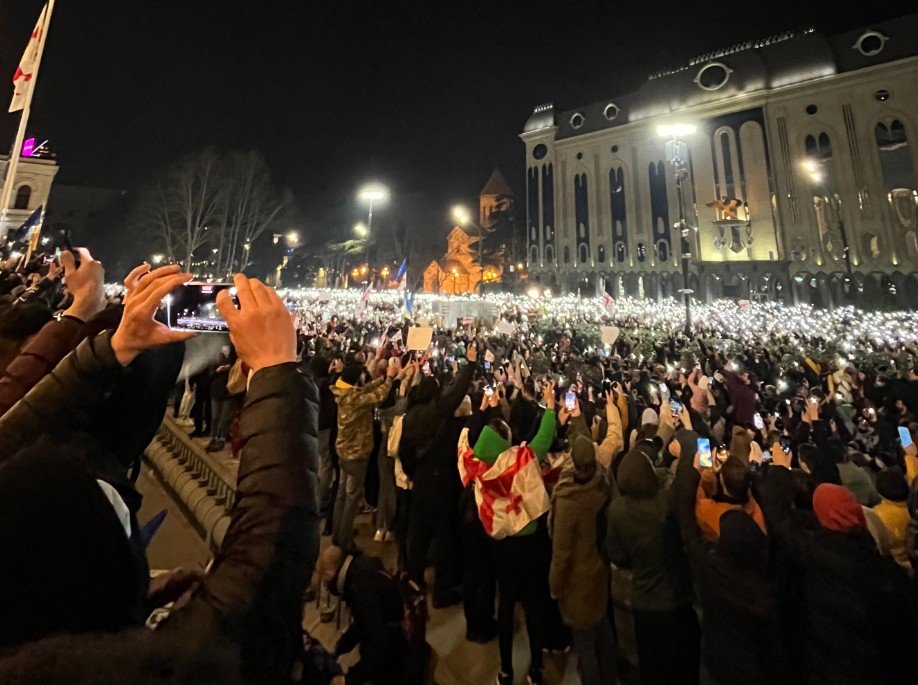
The streets of Tbilisi, the capital of Georgia, remain filled with protesters who have endured over a year of demonstrations following the disputed parliamentary elections in October 2024. As freezing temperatures grip the small European nation along Russia’s southern border, everyday citizens are finding renewed hope by watching millions of Iranians demand the end of the Islamic Republic.
Two Nations United by a Common Fight
The connection between Georgian and Iranian protesters goes beyond simple observation. Both movements share a fundamental desire for democratic governance, freedom from authoritarian control, and a future aligned with Western values rather than Russian or theocratic influence.
Tinatin Khidasheli, former defense minister of Georgia, spoke about the mood on the ground in Tbilisi. She told reporters that conversations among demonstrators center heavily on developments in Iran. The optimism generated by watching Iranians challenge their regime has spread through the Georgian protest movement despite ongoing challenges.
Georgian protesters see clear parallels between their situation and what is unfolding in Iran. Both populations face governments accused of violence against peaceful demonstrators. Both movements feature young people at the forefront demanding change. Both countries sit at geopolitical crossroads where the outcome could reshape regional power dynamics.
The Georgian Crisis Explained
Georgia’s current political turmoil traces back to the October 2024 parliamentary elections. The ruling Georgian Dream party claimed victory, but opposition groups and international observers raised serious concerns about irregularities and fraud.
| Key Events in Georgian Protests |
|---|
| October 2024: Disputed parliamentary elections spark initial demonstrations |
| November 2024: Mass protests erupt across major cities |
| December 2024: Government accused of violent crackdowns on peaceful gatherings |
| January 2025 to Present: Protests continue despite harsh weather and alleged police brutality |
The European Union and United States have expressed concern about democratic backsliding in Georgia. The country had been on a path toward EU membership, but recent actions by the government have called that future into question.
Protesters accuse the Georgian Dream party of steering the country away from Europe and toward Russia. This accusation carries particular weight given Georgia’s history, including the 2008 war with Russia over the breakaway regions of South Ossetia and Abkhazia.
Iran’s Uprising Provides Hope and Lessons
The situation in Iran has evolved dramatically in recent months. What began as protests following the death of Mahsa Amini in 2022 has transformed into a sustained movement calling for the complete dismantling of the Islamic Republic.
Iranian American activists have described the crackdown on protesters as among the most severe in the country’s modern history. Despite brutal repression, Iranians continue taking to the streets daily in numbers that have surprised both supporters and critics of the regime.
Georgian demonstrators are studying the Iranian approach carefully. They note several key factors:
-
-
- The role of women in leading resistance movements
- The importance of international attention and support
- How sustained pressure can weaken even the most entrenched governments
- The power of social media in organizing and documenting protests
- The courage required to face violent government responses
-
Geopolitical Implications for the Region
The simultaneous protests in Georgia and Iran carry significant implications for regional stability and global politics. Both countries occupy strategic positions that major powers consider vital to their interests.
Georgia sits on key energy transit routes and serves as a gateway between Europe and Central Asia. A democratic Georgia aligned with the West would strengthen NATO’s position and limit Russian influence in the Caucasus region.
Iran’s importance hardly needs explanation. The country controls crucial oil shipping lanes, influences conflicts across the Middle East, and maintains relationships with Russia and China that Western governments view with concern. A democratic transition in Iran would fundamentally alter the balance of power in the region.
Russia watches both situations with considerable anxiety. Moscow has long sought to keep Georgia within its sphere of influence and has cultivated ties with Iran as a partner against Western pressure. Democratic breakthroughs in either country would represent a strategic setback for the Kremlin.
The Human Cost of Resistance
Behind the geopolitical calculations lie real human stories of sacrifice and determination. Georgian protesters have faced allegations of police violence, arbitrary arrests, and intimidation. Some have lost jobs or faced social pressure for participating in demonstrations.
The situation for Iranian protesters is even more dire. Reports indicate that security forces have killed hundreds and detained thousands since the current wave of unrest intensified. Yet people continue showing up, often risking their lives for the chance at freedom.
This shared experience of facing government repression has created a bond between the two movements. Georgian demonstrators have held signs expressing solidarity with Iran. Social media accounts from both countries regularly share each other’s content and messages of support.
The international community has responded with mixed levels of engagement. Western governments have issued statements condemning violence in both countries and calling for respect of human rights. However, protesters in both nations often express frustration that words have not translated into meaningful action.
What Comes Next for Both Movements
The coming months will prove critical for both the Georgian and Iranian protest movements. Sustained international attention, internal unity among opposition groups, and the response of security forces will all play crucial roles in determining outcomes.
In Georgia, protesters are demanding new elections under international supervision and a clear commitment to European integration. They want accountability for officials accused of ordering violence against peaceful demonstrators.
Iranian protesters have set their sights higher, calling for nothing less than the end of the Islamic Republic and the establishment of a democratic government. The scale of this demand makes the path forward more uncertain but also more transformative if successful.
For now, Georgians and Iranians continue marching through their respective capitals, facing cold weather and hot tempers from authorities. They watch each other across thousands of miles, finding courage in shared struggle and hope in collective resistance.
The outcome of these parallel movements could reshape not just two countries but the broader region and the global contest between democracy and authoritarianism. Citizens in both nations understand the stakes, which is why they keep returning to the streets despite the personal costs.
If you found this article informative, please share it with others who want to understand these important movements. Leave a comment below with your thoughts on how the international community should respond to protesters in Georgia and Iran.
