
Georgia’s Public Service Commission staff has warned that Georgia Power’s massive request for new electricity capacity, driven by booming data centers, could lead to higher bills for everyday customers. In reports filed on November 12, 2025, experts say the utility might be overestimating needs, potentially adding about $20 a month to average household costs if approved.
This comes as data centers, fueled by AI and tech demands, push Georgia’s energy use to new heights. The state has seen rapid growth in these facilities, but questions linger about who pays if plans fall short.
Details of Georgia Power’s Capacity Request
Georgia Power asked for permission to add nearly 10 gigawatts of new power capacity. This equals the output of about 10 nuclear plants like Vogtle.
The request includes building new natural gas turbines and battery storage sites, some linked to solar. The utility also plans to delay closing coal plants at Bowen and Scherer to handle the load.
Company leaders say data centers will triple electricity demand by the 2030s. They signed contracts for over 8,000 megawatts of new demand by 2031, mostly from tech firms.
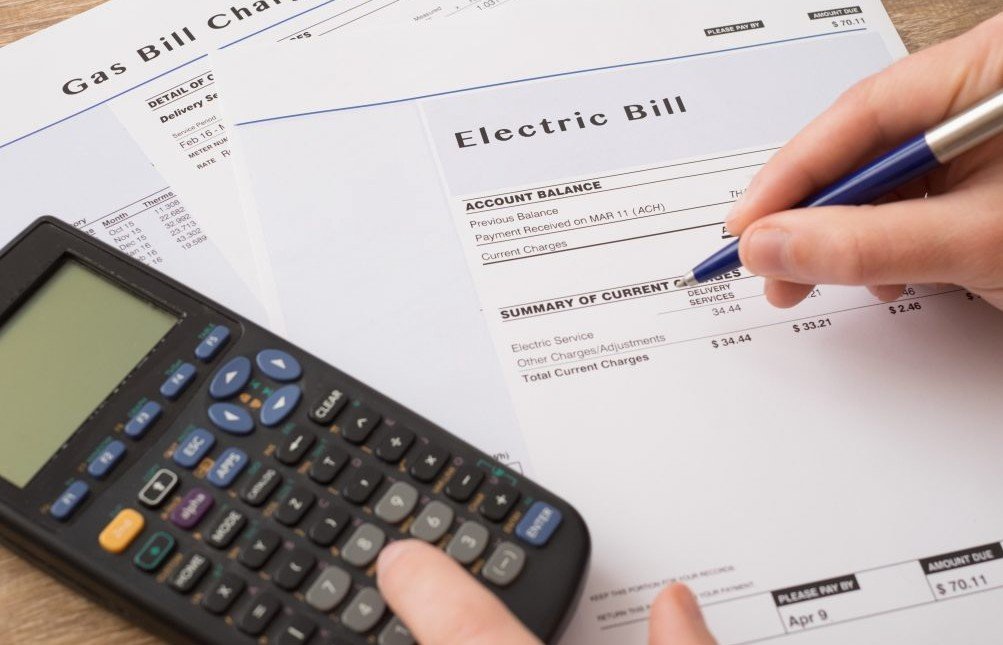
This expansion could cost up to $15 billion. Georgia Power argues it keeps rates stable with a three-year base rate freeze for homes.
Experts point out the lack of transparency in how the company calculates these needs. Some details stay hidden as trade secrets.
How Data Center Growth Drives the Push
Data centers have exploded in Georgia, clustering in areas like metro Atlanta. These sites power AI, cloud services, and more, eating up huge amounts of electricity.
Recent reports show Georgia’s electricity prices rose about 0.5% from May 2024 to May 2025. For heavy users, bills jumped $43 since late 2022, partly from Vogtle’s new reactors and fuel costs.
Hot summers, like July 2025’s record highs, made bills double or triple for some. Critics link this to data centers, which take up 90% of new energy needs.
Public frustration shows in social media. People complain about quality of life drops from higher costs, with some bills up 60% since 2023.
- Key drivers of demand: AI tech, cloud computing, and server farms.
- States affected most: Virginia, Texas, Georgia, and Oregon see fastest price hikes.
- Projected growth: Demand could surge 8,448 megawatts by 2031.
One report warns of more fossil fuel use, clashing with clean energy goals.
Georgia Power says the boom brings jobs and investment. But environmental groups worry about coal delays harming air quality.
Potential Costs to Everyday Customers
PSC staff reports claim Georgia Power overestimates data center needs. If built capacity goes unused, costs fall on households.
One estimate puts the hit at $3.5 billion in new annual revenue by 2030. That translates to $20 more per month for average users.
| Item | Estimated Impact |
|---|---|
| New Capacity Requested | 9,900 MW |
| Potential Annual Cost | $3.5 billion |
| Monthly Bill Increase | $20 per household |
| Timeline for Costs | By 2030 |
This adds to existing pressures. Bills already rose due to Vogtle overruns and fuel prices.
Analysts say approving the full request burdens ratepayers. They urge buying power from existing sources instead.
Georgia Power disagrees, saying contracts ensure data centers cover costs. But without firm deals, risks shift to consumers.
A recent case involved an activist charged with stealing trade secret info at a hearing. This highlights tensions over transparency.
Expert Advice and Alternatives
PSC experts suggest approving only 30% to 40% of the request. Focus on buying from outside sources, not new builds.
They recommend more batteries and solar over gas plants. This could cut costs and emissions.
One group warns of market shifts leaving unused power. They push for executed contracts before big spending.
Georgia Power postponed coal retirements to bridge gaps. But staff say this locks in dirty energy longer.
Hearings start December 10, 2025, with a vote on December 19. Public input could sway the outcome.
Political Shifts and Future Outlook
Two Democrats won PSC seats in recent elections, ousting Republicans. Voters cited rising bills as a key issue.
The new members start January 1, 2026. They may push for consumer protections and green energy.
This fits broader trends. States like Georgia test how to balance tech growth with affordable power.
Nationally, data centers drive similar debates. Some areas see 6% price hikes tied to these facilities.
Georgia’s case could set examples for handling AI-driven energy demands. Leaders must weigh jobs against household budgets.
What do you think about Georgia Power’s plans and their impact on your bills? Share your thoughts in the comments below and pass this article to friends facing similar issues.
