
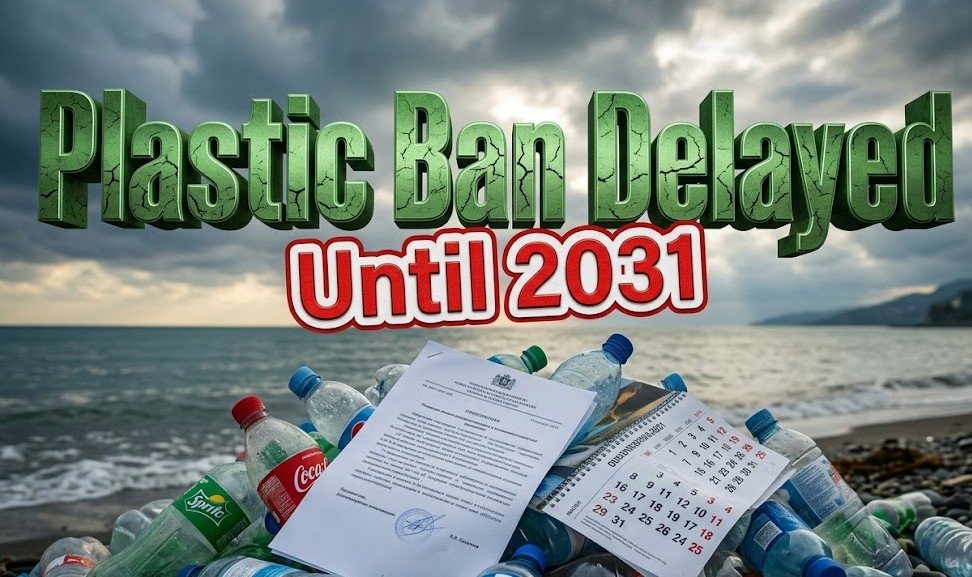
The Georgian government has delayed strict rules on plastic beverage bottles by four years. Prime Minister Irakli Kobakhidze made the announcement after talks with industry leaders. The move aims to protect businesses and keep prices stable while still addressing environmental harm.
Prime Minister Explains the Four Year Delay
Prime Minister Irakli Kobakhidze revealed the decision at a government meeting on April 8. He noted that plastic harms human health and the environment. Yet he stressed the need to consider business interests and possible effects on consumer prices.
Following consultations, officials decided to postpone the regulations until February 1, 2031.
Kobakhidze said the government had already taken important steps to cut plastic use. This gradual approach will continue. The delay came after active discussions with beverage producers and other industry players who raised concerns about sudden changes.
The prime minister thanked the economy minister and his team for their work on the issue. He described the postponement as a balanced choice that listens to all sides.
Original Plan Targeted Beverages in Plastic
Under the initial rules set in March 2026, restrictions would have started much sooner. Restaurants, cafes and other food service spots faced a ban on serving drinks in plastic bottles from July 1, 2026. A wider prohibition on production, import and sale of most beverages in plastic would have followed on February 1, 2027.
The plan covered carbonated drinks, soft drinks, alcoholic beverages and bottled water. Exceptions included containers larger than three liters for water and over 20 liters for other drinks. Products made only for export also remained allowed.
| Timeline | Original Date | New Date |
|---|---|---|
| Serving ban in restaurants | July 1, 2026 | Delayed |
| Full production and sales ban | February 1, 2027 | February 1, 2031 |
This schedule formed part of Georgia’s broader effort to reduce single use plastics. The country had already banned certain plastic items for food contact earlier in 2026 and restricted state purchases of small plastic bottled drinks from April 1.
Business Concerns Drove the Postponement
Industry representatives welcomed more time to prepare. Companies warned that a quick switch to glass, aluminum or other materials would raise costs. Some sectors, including beer producers, said they needed several years to retool production lines and secure new supply chains.
The delay gives businesses breathing room to invest without sudden shocks. It also helps avoid potential job losses in manufacturing and distribution. At the same time, officials hope longer preparation will lead to better, more sustainable alternatives that actually stick.
Consumers stand to benefit from stable prices in the short term. Many families rely on affordable bottled drinks, especially in rural areas or during hot summers. Yet environmental advocates worry the extra years could allow more plastic waste to build up in rivers and the Black Sea.
Environmental Damage Remains a Pressing Issue
Plastic pollution hits Georgia hard. Surveys in the Rioni river basin show plastic makes up 88 percent of litter. Plastic bottles and caps alone account for nearly 60 percent of those items. Litter density reaches as high as four items per square meter in some spots, far above European river averages.
The Black Sea suffers greatly from this waste. Studies indicate the sea collects high levels of marine litter, with plastics dominating. Microplastics enter the food chain, affecting fish, wildlife and eventually people who eat seafood or drink from local sources.
Georgia has pushed forward on other fronts despite the delay. Plastic bag production, import and sales stopped years ago. Recent rules limit single use items in public procurement. These steps show the government’s long term commitment to cleaner ecosystems even as it adjusts timelines for beverages.
Experts point out that successful transitions elsewhere often include deposit return systems, better recycling infrastructure and incentives for businesses. Georgia could use the extra four years to build these tools properly rather than rush and risk failure.
The country also works toward European Union standards as a candidate nation. Aligning waste and circular economy rules forms part of that journey. A measured pace might actually help meet those goals more effectively over time.
What Happens Next for Georgia’s Plastic Strategy
The postponement does not cancel the fight against plastic pollution. Officials promise continued gradual measures and monitoring. The focus now shifts to helping industries develop alternatives while protecting the environment.
Businesses have a clear window to innovate. Consumers can expect steady access to products in the coming years. Environmental groups will likely keep pressing for faster action and stronger recycling programs.
This decision reflects the real challenges many nations face when moving away from cheap, convenient plastics. It shows how governments must weigh immediate economic pressures against future planetary costs.
Georgia’s path forward will test whether the extra time leads to smarter, more lasting solutions. The health of its rivers, coastline and people depends on getting the balance right in the years ahead.
The coming years will show if this delay helps create a cleaner Georgia or simply pushes problems further down the road. Families, businesses and nature all have stakes in the outcome.
