
Georgia officials announced they will distribute partial food assistance benefits this month amid a federal government shutdown. The move affects millions of residents relying on the Supplemental Nutrition Assistance Program, with payments reduced to up to 65 percent of normal amounts starting now.
What Led to the Partial Benefits Decision
The Georgia Department of Human Services made the call based on fresh guidance from federal leaders. A nationwide funding crisis has halted full payments, forcing states to adjust.
This stems from a government shutdown that began weeks ago, leaving key programs in limbo. Officials say the partial rollout helps bridge the gap while talks continue in Washington.
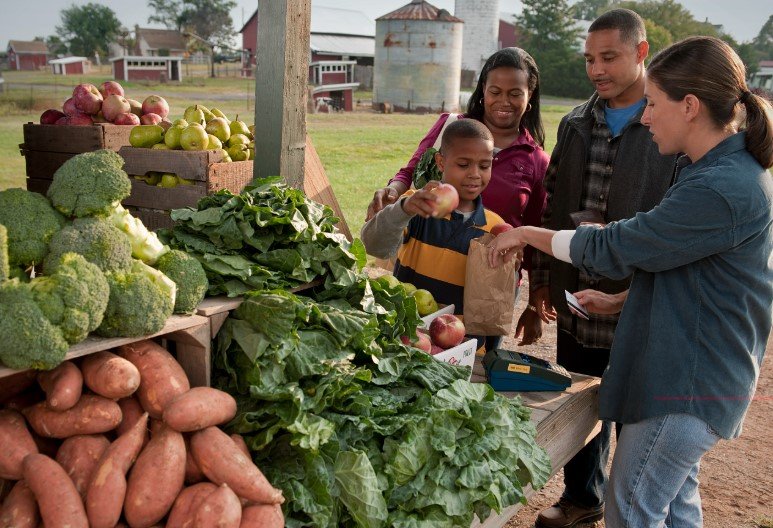
Without enough federal dollars, full benefits could not go out on time. The department aims to prevent total loss for families who count on this support for groceries and essentials.
Experts note similar issues hit during past shutdowns, like in 2019 when benefits faced delays. This time, a court battle added twists, with a recent Supreme Court pause on a ruling that demanded full funding.
How Much Recipients Will Get
Households will see benefits cut to about 65 percent, but the exact amount varies. It depends on income, family size, and deductions like rent or utilities.
For example, a single person might get around 140 dollars instead of the usual 215. Larger families could receive more, but still less than normal.
The department urges people to check their accounts soon. Payments for early-month recipients arrive by today, while others follow the standard schedule.
To protect funds, lock EBT cards after each use through the app. This step blocks fraud, which has risen in recent years.
Here is a quick breakdown of average benefit reductions:
- Single adult: Down from 215 dollars to about 140 dollars
- Family of three: From 620 dollars to around 400 dollars
- Family of five: From 980 dollars to roughly 640 dollars
These figures come from standard SNAP charts adjusted for the cut.
Impact on Georgia Families
About 1.4 million Georgians use SNAP, making this a big deal statewide. Many live in cities like Atlanta, where food costs have climbed 8 percent this year.
Parents say the reduction hits hard during holidays, when meals matter most. Local food banks report more calls for help already.
One mother shared that her family stretches benefits thin each month. With less now, she worries about skipping meals or turning to loans.
Community groups step up with drives and pantries. Churches and nonprofits in places like DeKalb County host events to fill gaps.
The shutdown also ties into new work rules. Georgia expanded requirements, which could trim rolls by 96,000 people if enforced fully.
Broader National Context
Across the U.S., 42 million people depend on SNAP. The program costs billions yearly, but funding fights in Congress often disrupt it.
President Trump’s team released emergency funds for partial payments, covering 4.65 billion dollars nationwide. Yet, delays persist in some states.
Advocates push for a quick resolution. Senators like Raphael Warnock called out the holdup as a tactic in larger budget battles.
Past events show shutdowns hurt low-income groups most. In 2013, similar cuts sparked public outcry and faster deals.
| State | Estimated SNAP Users | Partial Benefit Percentage |
|---|---|---|
| Georgia | 1.4 million | Up to 65% |
| California | 4.5 million | Up to 65% |
| Texas | 3.8 million | Up to 65% |
| New York | 2.9 million | Up to 65% |
This table highlights how Georgia fits into the national picture.
What Happens Next for SNAP Users
Officials promise updates as federal talks progress. Full benefits might resume if a budget deal passes soon.
In the meantime, apply for other aid like WIC or local programs. Websites offer tools to calculate potential benefits.
Experts advise budgeting wisely and seeking community resources. Food prices rose 2 percent last month, adding pressure.
Lawmakers debate extending emergency funds into December. A resolution could come by week’s end, sources say.
Staying Informed and Taking Action
Keep an eye on official sites for the latest. Changes happen fast in these situations.
Share this story if it helps someone you know, and drop a comment below on how the partial benefits affect your area.
