
As storms grow stronger and repair bills climb higher, Georgia lawmakers have rolled out a new option meant to give homeowners breathing room when disaster hits. A freshly passed law lets residents stash money tax-free for future storm repairs, but only under strict rules tied to declared emergencies.
Homeowners say the timing feels overdue.
Insurance Costs Keep Rising, and Homeowners Feel Cornered
In places like Houston County, storms are no longer rare interruptions. They are expected, budget-wrecking events that seem to come every year.
Home insurance deductibles have crept up quietly, then suddenly. What used to be a $1,000 hit has, for many policies, jumped to $2,500 or more.
That jump matters.
When a roof loses shingles or a tree crashes into siding, homeowners often find themselves paying thousands before insurance even starts helping. And sometimes, it doesn’t help much at all.
Insurance agents say this trend isn’t about greed alone. Repair costs are up. Labor is more expensive. Materials cost more. Everything costs more, actually.
The result is a gap. A big one. And that gap usually lands squarely on the homeowner.
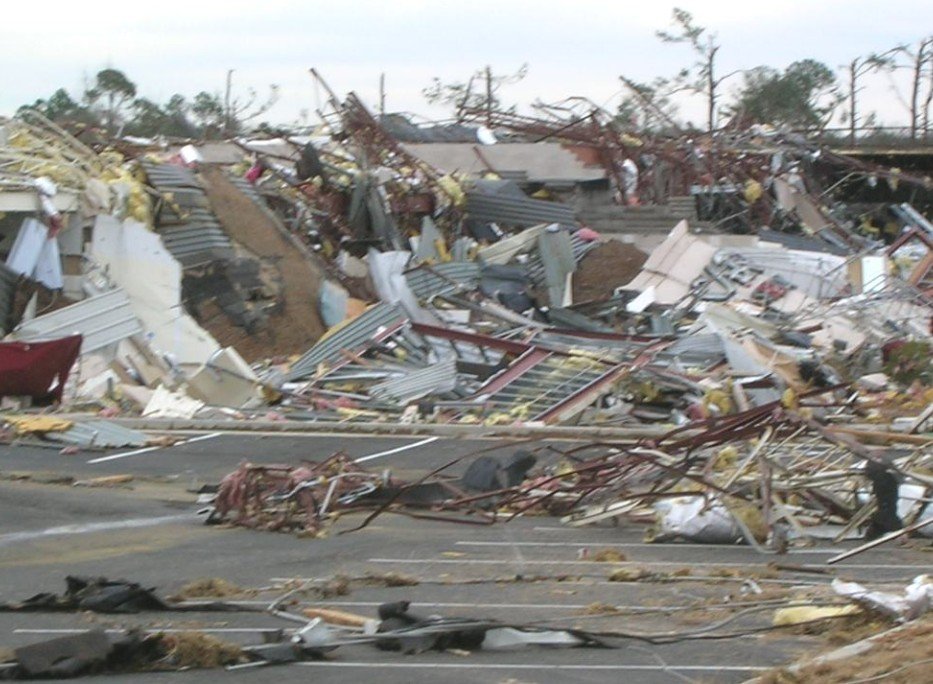
How House Bill 511 Changes the Math
House Bill 511 is Georgia’s attempt to soften that blow, at least a little.
The law allows homeowners to create a special savings account meant only for disaster-related home expenses. The money goes in tax-free. It can earn interest. And when a governor declares a disaster, those funds can be used without triggering state taxes.
It’s a narrow lane by design.
The account can only be linked to a primary residence in Georgia. One account per taxpayer, no exceptions.
Use the money for anything else, and the tax benefits vanish. Withdrawals outside a declared disaster get taxed like regular income.
Lawmakers pitched it as a personal safety net, not a replacement for insurance. A buffer, not a bailout.
And that distinction matters more than it sounds.
What Counts as a Disaster, and What Does Not
Here’s where expectations need a reality check.
This account only unlocks its tax-free benefits after a governor formally declares a disaster. That usually follows major events like hurricanes, tornado outbreaks, or widespread flooding.
A single fallen limb in a calm year? That likely won’t qualify.
The money can be used for:
-
Insurance deductibles tied to storm damage
-
Emergency home repairs caused by the declared event
-
Costs directly linked to making the home livable again
Routine maintenance doesn’t count. Neither do upgrades or cosmetic fixes.
It’s help, yes. But it’s conditional help.
Some homeowners welcome the clarity. Others worry the rules may feel too tight when real-life damage doesn’t fit neat definitions.
Homeowners Share Frustration, and Some Cautious Relief
Talk to homeowners, and you hear the same tone. Tired. Frustrated. A bit cynical.
Many feel they pay faithfully into insurance year after year, only to be told later that damage is partial, excluded, or just under the deductible line.
One Georgia homeowner described paying out of pocket after a storm knocked down part of his gutters. Insurance agreed to cover a small section. The rest? His problem.
Stories like that are common.
For them, House Bill 511 doesn’t erase the anger, but it offers something rare: control.
Instead of scrambling for cash or leaning on credit cards, they can build a dedicated reserve. Slowly. Quietly. On their own terms.
That psychological shift may be just as important as the tax benefit itself.
Who Benefits Most, and Who Might Not
This law works best for homeowners who can plan ahead.
People with steady income can contribute gradually and let the account grow over time. Interest compounds. Stress shrinks, at least a bit.
But for lower-income homeowners already stretched thin, saving extra money may feel unrealistic. The law doesn’t add new cash into the system. It simply protects what you manage to set aside.
There’s also a timing issue.
Storm seasons don’t wait for savings goals. Someone opening an account today won’t have much protection if a major storm hits next month.
In that sense, the law rewards foresight, not urgency.
Still, supporters argue it’s better than nothing, and certainly better than relying on high-interest debt after disaster strikes.
A Quiet Policy Shift with Long-Term Implications
Georgia is not alone in experimenting with disaster-focused savings tools, but this law signals a broader shift in how states think about climate risk.
Instead of assuming insurance alone will carry the load, lawmakers are nudging individuals to prepare financially for damage that feels increasingly inevitable.
It’s subtle. No big press conferences. No flashy slogans.
But over time, it could reshape how homeowners budget, how insurers price risk, and how communities recover after storms.
Some analysts say it reflects an uncomfortable truth. Storm damage is no longer a once-in-a-generation problem. It’s a recurring cost of living in certain regions.
This law doesn’t solve that. It simply acknowledges it.
What Homeowners Should Keep in Mind Right Now
The account is optional. No one is forced into it.
But homeowners considering it should pay attention to documentation, disaster declarations, and withdrawal rules. The tax benefits hinge on compliance.
Used properly, the account can ease the financial shock of a bad storm year. Used incorrectly, it becomes just another taxable account with strings attached.
For many Georgians, though, the appeal is simple.
When the next storm rolls through and the roof leaks or the fence collapses, there’s at least a plan. A small one, maybe. But a plan that doesn’t involve panic.
