
Drivers in Georgia are enjoying lower costs at the pump this week, with the average price for regular unleaded gasoline falling to $2.78 per gallon. This drop stems from a surge in global oil production that has boosted supply and eased demand pressures, according to recent reports from energy experts.
Reasons for the Price Decline
Increased oil production from major players like the United States and OPEC+ countries has flooded the market with more crude, outpacing current demand. This surplus has driven down crude oil prices, which directly impacts what people pay for gas.
In recent months, U.S. oil output hit record levels, averaging around 13.5 million barrels per day, based on forecasts from energy agencies. At the same time, other nations have ramped up their production, creating a global oversupply that keeps prices in check.
This trend started gaining momentum earlier in 2025, following decisions by oil-producing groups to increase quotas. As a result, Georgia saw prices dip by 1 cent from last week, 13 cents from last month, and 16 cents compared to the same time last year.
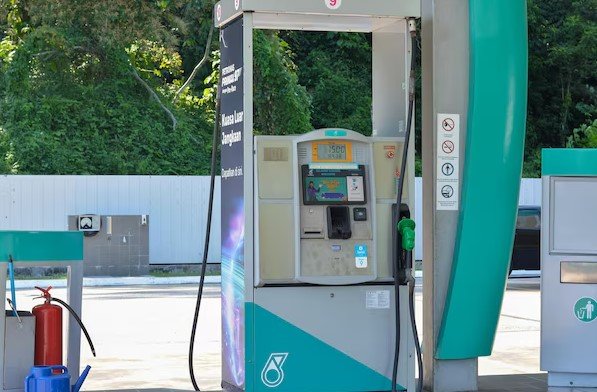
Experts point out that seasonal factors also play a role, with lower demand in the fall months contributing to the steady decline.
National Trends and Comparisons
Across the United States, gas prices are following a similar path, with the national average now at $3.03 per gallon. This marks a decrease from the start of October, even as gasoline demand rose slightly to 8.92 million barrels per day.
In contrast, natural gas prices have shown some volatility, falling to 4.24 dollars per million British thermal units on November 4, 2025, down 0.70 percent from the previous day. Over the past month, however, natural gas has risen by more than 26 percent, highlighting differences between fuel types.
Compared to other states, Georgia remains one of the more affordable places to fill up. For instance, prices in neighboring areas like Florida and South Carolina hover around $2.85 to $2.90, while states farther north see averages closer to $3.20.
This national dip comes amid broader economic shifts, including efforts to boost energy independence and respond to global events like trade agreements that influence oil flows.
| Time Period | Georgia Average Gas Price | National Average Gas Price | Change from Previous |
|---|---|---|---|
| This Week (November 2025) | $2.78 | $3.03 | Down 1 cent (GA), Down from last week (National) |
| Last Month | $2.91 | $3.15 | Down 13 cents (GA) |
| Last Year (November 2024) | $2.94 | $3.25 | Down 16 cents (GA) |
| Peak in 2025 (June) | $2.94 | $3.50 | Significant drop since summer highs |
Impact on Georgia Drivers
For everyday people in Georgia, these lower prices mean real savings. Filling a standard 15-gallon tank now costs about $41.70, which is roughly $3 less than it was a year ago.
Commuters and families benefit the most, with extra money in their pockets for essentials like groceries or holiday shopping as November progresses. One local driver in Atlanta shared that the drop has made her daily commute less stressful, allowing her to budget better for family needs.
Businesses that rely on transportation, such as delivery services and trucking companies, also see reduced operating costs, which could lead to lower prices for goods over time.
Even electric vehicle owners are watching related trends, as public charging station costs rose slightly to 38 cents per kilowatt hour last week. Still, gas savings make traditional vehicles more appealing for now.
Regional Price Variations in Georgia
Prices vary across the state, with some areas offering even bigger bargains.
- Savannah tops the list as the most expensive metro market at $2.93 per gallon, influenced by port activity and higher demand.
- Macon follows at $2.82, while Atlanta averages $2.80, reflecting urban traffic and consumption patterns.
- On the cheaper end, Dalton sits at $2.69, with Catoosa-Dade-Walker at $2.67 and Rome at $2.66, benefiting from rural supply chains.
These differences highlight how local factors like distribution costs and competition among stations affect what drivers pay.
Future Outlook for Gas Prices
Looking ahead, analysts predict continued stability or further drops through the end of 2025, thanks to ongoing production increases and potential economic growth that could balance supply and demand.
Forecasts suggest U.S. crude oil production might hold steady at 13.5 million barrels per day into 2026, keeping pressure on prices. However, global events like weather disruptions or policy changes could shift this trajectory.
In Georgia, if trends hold, prices might dip below $2.70 by year’s end, offering more relief amid rising costs in other areas like housing.
Energy watchers advise drivers to monitor apps for the best deals and consider fuel-efficient habits to maximize savings.
What do you think about these gas price changes? Share your thoughts in the comments below and pass this article along to friends who might benefit from the updates.
