
World class athletes are dominating the pitch yet the conversation often shifts to their eyeliner rather than their game winning tries.
Welsh rugby star Georgia Evans is leading the charge against toxic online abuse targeting female players who choose to wear makeup and bows during matches.
She says her appearance has zero impact on her ability to tackle hard and perform at the elite level.
The battle for self expression on the pitch
The 2025 Women’s Rugby World Cup hosted in England was supposed to be a celebration of athletic excellence.
For Saracens player Georgia Evans it became a battleground for personal expression against internet trolls.
Spectators focused intensely on her appearance rather than her athletic statistics.
Evans is known for wearing pink bows in her hair and full makeup during games.
It is a personal ritual that helps her prepare for the physical intensity of rugby.
Online critics used this against her following team losses.
Social media users claimed she was treating the World Cup like a “fashion show” rather than a serious sporting event.
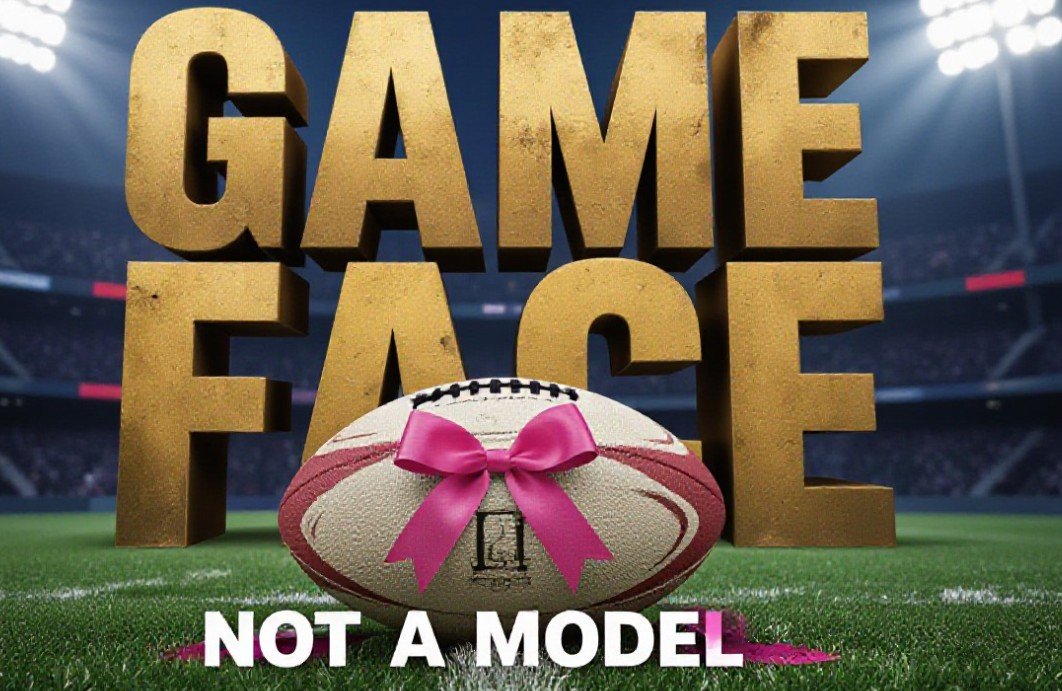
How I play has nothing to do with what I look like.
She noted that she has worked her entire life to reach the pinnacle of rugby.
It was disheartening to have that dedication questioned simply because of a hair accessory.
The backlash highlights a double standard that still plagues women in sports.
Male athletes rarely face criticism for their grooming habits or personal style choices during competition.
Evans refused to let the comments slide and issued a powerful statement on Instagram.
She reminded her followers that a rugby player is no longer defined by gender or aesthetic expectations.
Breaking outdated stereotypes in modern sport
Women in rugby have fought against rigid stereotypes for decades.
Early in her career Evans faced derogatory comments that attempted to pigeonhole her identity.
People often labeled her a “butch lesbian” simply because she played a contact sport.
Critics could not reconcile the idea of a physical rugby player also presenting herself in a feminine way.
My sexuality has no bearing on whether I look girly or whether I am butch.
Evans insists she will not change who she is to comfort uncomfortable spectators.
She continues to show up on game day with her tan done and her nails manicured.
This defiance is crucial for the visibility of different types of women in sports.
It proves that there is no single “correct” way to look while playing rugby.
The sport is evolving to include players from all backgrounds and expressions.
Below are the common stereotypes female athletes are currently dismantling:
- The tomboy myth: Belief that you must reject femininity to be tough.
- Performance vs. Beauty: The false idea that caring about looks means you care less about winning.
- Body policing: Constant scrutiny of muscular builds versus slender frames.
Data shows a worrying trend for young girls
The abuse directed at professionals like Evans has real world consequences for the next generation.
A 2025 survey by the charity Women in Sport revealed alarming statistics.
The number of young girls dreaming of becoming professional athletes has dropped to its lowest point since 2020.
Fear of judgment is a primary driver of this decline.
Girls are seeing their idols torn apart online for trivial reasons.
Gender stereotypes are actively discouraging young talent from pursuing sports careers.
If a girl sees a World Cup athlete mocked for a pink bow she might decide the scrutiny is not worth the effort.
This creates a pipeline problem for professional leagues.
Representation matters deeply in keeping young girls engaged in physical activity.
They need to see that they can be strong and feminine simultaneously if they choose.
Organizations are now scrambling to address this cultural issue before talent pools dry up.
Support systems and mental health training regarding social media are becoming mandatory for junior athletes.
The psychological armor of game day beauty
For many female athletes the process of getting ready is not vanity.
It is a psychological anchor.
Evans describes her routine of hair and makeup as a “ritual.”
It helps her switch her mindset from daily life to competition mode.
The cameras are always rolling and filming every move on the pitch.
Wearing the trademark pink bows helps her forget the lenses and focus on the game.
This phenomenon is often called the “Look Good, Play Good” effect.
Psychologists suggest that when athletes feel confident in their appearance it translates to better focus.
It serves as a suit of armor against the pressure of the world stage.
American rugby star Ilona Maher has similarly championed wearing red lipstick while stiff-arming opponents.
These athletes are reclaiming their agency in a male dominated space.
They are deciding exactly how they want to be perceived.
The global rugby community has started to rally around Evans.
She received messages of support from fans and players across the world after speaking out.
This solidarity suggests that the trolls are a loud minority.
Most fans just want to see great rugby regardless of what the player is wearing.
The sport is big enough for both grit and glitter.
These athletes are proving that you can tackle a 200 pound opponent without sacrificing your personal style.
Women in sport are redefining what strength looks like on their own terms.
The debate over appearance is slowly shifting thanks to voices like Georgia Evans.
As the World Cup concludes the message remains clear.
Athletes owe spectators a great performance but they do not owe anyone a specific look.
The pink bows are here to stay.
And so is the ferocious talent underneath them.
The next generation of girls is watching and learning that they can be exactly who they want to be.
