
Georgia’s Democratic hopefuls stepped onto the same stage in Savannah and, for an hour, sounded more united than divided. With the governor’s office opening up in 2026, seven candidates laid out shared priorities, testing how a broad message might land with voters along the coast.
The moment mattered. The room felt expectant. And the stakes, honestly, were hard to miss.
A wide field meets Coastal Georgia voters for the first time
Seven Democrats gathered Thursday night at Savannah’s Jonesville Baptist Church for the party’s first major gubernatorial forum of the election year. It was part introduction, part audition, and part quiet rehearsal for a long campaign season ahead.
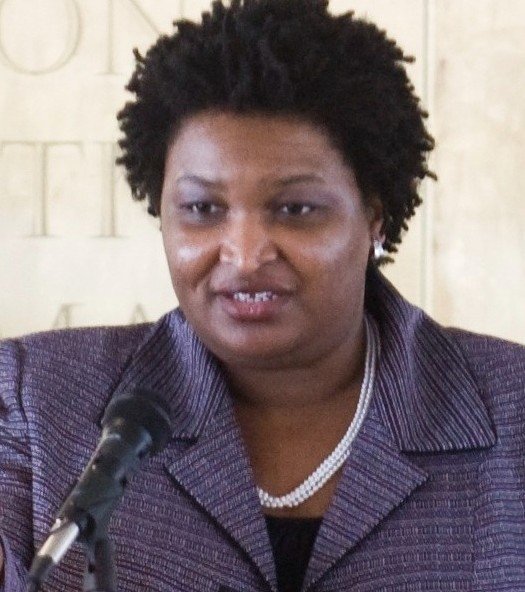
The lineup itself told a story. Former Atlanta Mayor Keisha Lance Bottoms stood alongside businessman and retired pastor Olu Brown. Former Lt. Gov. Geoff Duncan shared the stage with former state Sen. Jason Esteves, state Rep. Derrick Jackson, state Rep. Ruwa Romman, and former DeKalb County CEO Michael Thurmond.
Different resumes. Different life stories. Same party banner.
The one-hour event, moderated by Orlando Scott, focused on four topics only: health care, economic growth and workforce training, housing, and the Trump administration. That tight frame shaped the night more than anything else.
A rare opening in the governor’s mansion
This race exists because of a clock running out. Republican Gov. Brian Kemp is barred by term limits from seeking reelection at the end of 2026, creating the first open governor’s contest in Georgia in years.
For Democrats, that matters. A lot.
Party leaders see an opening tied to voter frustration over rising costs, housing pressure, and access to care, especially outside metro Atlanta. Coastal Georgia, with its mix of tourism jobs, military families, and port-driven industry, has become a testing ground for those themes.
There was optimism in the room, but it came with caution.
Georgia Democrats have not held the governor’s office in more than two decades, and everyone on stage seemed aware of that history, even if no one said it outright.
One sentence from the night landed quietly but stuck: winning this race will require expanding the map, not just firing up the base.
Policy unity takes center stage
Despite their varied backgrounds, the candidates sounded strikingly similar once the questions turned policy-focused. Health care access drew near-universal support for expansion and affordability, framed as both a moral issue and an economic one.
Economic development came next, and again the notes lined up. Jobs tied to skills training. Support for small businesses. Keeping young workers in Georgia instead of watching them leave for other states.
Housing followed a similar pattern.
Candidates spoke about rising rents, tight supply, and the strain on working families. They talked about zoning reform, incentives for builders, and protecting longtime residents from being priced out.
At one point, the overlap became impossible to ignore. The core ideas repeated, just with different voices and pacing.
The shared themes could be summed up this way:
-
Health care access as a basic expectation, especially in rural areas
-
Workforce training linked directly to local industry needs
-
Housing supply that matches population growth, without displacing communities
It was clear. It was coherent. It was also, frankly, hard to separate one candidate from another on substance alone.
Style, biography, and tone as quiet differentiators
With policy lanes crowded, personality filled the gaps. Some candidates leaned on executive experience, others on grassroots credibility or faith-based leadership.
Bottoms spoke with the ease of someone who has weathered national scrutiny before. Thurmond emphasized long-term management and results. Jackson pointed to his military service and corporate background. Romman brought an activist’s edge, grounding issues in lived experience.
Esteves highlighted entrepreneurship and education ties. Brown leaned into moral language and community roots. Duncan, once a Republican officeholder, framed himself as proof that crossover appeal is possible.
One short moment captured the contrast.
A question about economic pressure drew technical answers from some, personal stories from others, and one blunt acknowledgment that voters are tired of hearing promises without timelines.
Same issue. Different feel.
Coastal voices, national politics, and what comes next
Questions about the Trump administration surfaced carefully, reflecting a broader Democratic tension. Criticism was clear, but measured. The focus stayed local, perhaps intentionally, as candidates tried to connect national politics back to kitchen-table concerns in Georgia.
Savannah’s setting mattered here. Coastal voters deal with housing shortages driven by growth, wages shaped by tourism cycles, and infrastructure stress tied to the port. The candidates referenced those realities often, even when the questions drifted national.
There was no knockout line. No viral clash. No obvious front-runner declared by applause alone.
Instead, the forum felt like a starting gun rather than a verdict.
Primary voters will decide in May, and between now and then, the challenge for this crowded field is clear. Shared values may unify the party, but elections still demand contrast. Style, story, and trust may end up doing the separating more than policy papers ever could.
For now, Georgia Democrats look aligned. How long that alignment lasts is the open question hanging over a race that has only just begun.
