
A recent state audit reveals that data centers are driving billions in economic growth for Georgia, even as the state hands out nearly half a billion dollars in annual tax incentives. Released in early 2026, the report highlights job creation and infrastructure benefits, but notes most projects would happen without the breaks, sparking debate on their true value.
Economic Impact of Data Centers in Georgia
Data centers have become a major force in Georgia’s economy. The audit from the Georgia Department of Audits and Accounts shows these facilities added about 3.4 billion dollars to the state’s output in the last fiscal year. This growth comes from construction, operations, and related industries.
Thousands of jobs have emerged, including high skilled positions in tech and engineering. Local governments also see a rise in property tax revenue, which helps fund schools and public services. For example, projects in counties like Butts and Douglas bring in millions through increased economic activity.
The report points out that data centers support supply chains, creating roles in manufacturing and logistics. This ripple effect strengthens communities, especially in rural areas where new facilities are built.
Tax Breaks and Their Cost to the State
Georgia offers sales tax exemptions to attract data centers, a policy started in 2018. The audit calculates that these incentives cost the state 474 million dollars in the fiscal year ending July 2025. Critics argue this is a hefty giveaway for benefits that might occur anyway.
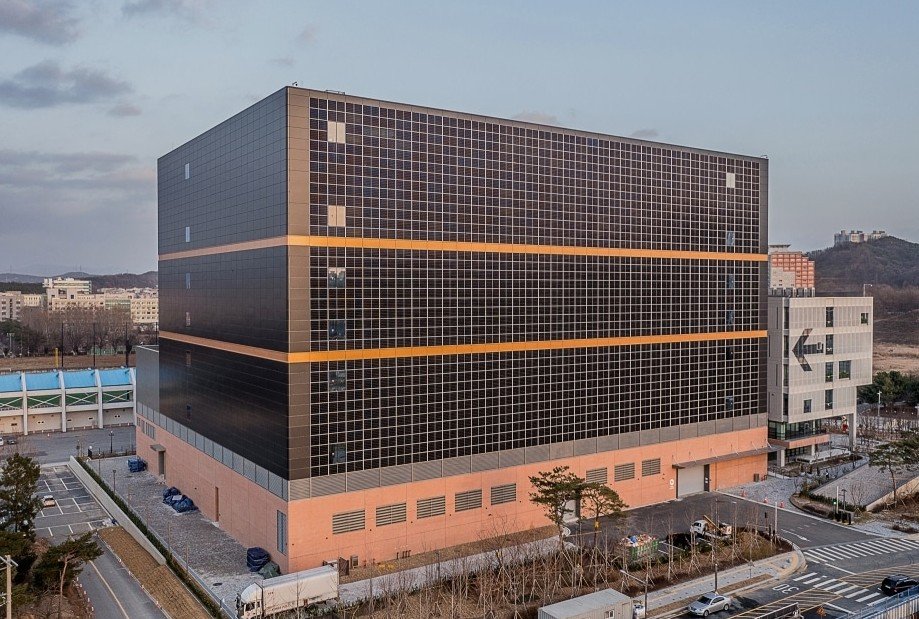
About 70 percent of the data centers would have been built without the tax breaks, according to the analysis. This finding challenges earlier studies that credited the incentives for nearly all growth. Lawmakers now face pressure to review the program.
Despite the cost, supporters say the breaks are essential for competing with other states. They point to investments from big names like Amazon and Microsoft, which promise long term gains.
The governor vetoed a bill in 2026 that would pause these incentives, signaling strong backing for continued expansion.
Major Projects and Investments
Several large scale projects underscore the boom in Georgia’s data center sector. Companies are pouring billions into new campuses, driven by demand for artificial intelligence and cloud computing.
Here are some key developments:
- Amazon Web Services plans over 11 billion dollars for facilities in Butts and Douglas counties, expecting 550 high skilled jobs and thousands in construction.
- Microsoft is investing 1.8 billion dollars in Union City and 1 billion dollars near Rome.
- T5 Data Centers has a 16 billion dollar project in the works.
- Atlas Development is also committing billions to new sites.
These investments highlight Georgia’s appeal, with its access to power and skilled workforce.
Debates on Energy Use and Sustainability
Data centers consume massive amounts of electricity, raising concerns about Georgia’s power grid. Georgia Power has expanded capacity to meet this demand, but it sparks debates on environmental impact.
The audit notes that while economic benefits are clear, the energy needs could strain resources. Advocates argue that data centers drive innovation in renewable energy, with some facilities adopting solar and other green tech.
Opponents worry about higher utility bills for residents. A 2025 hearing saw building trades push for more power expansion to create jobs, while others called for caution.
Balancing growth with sustainability remains a key challenge. Recent forecasts predict data centers will continue as a top economic driver in 2026, but with calls for better oversight.
Future Outlook and Policy Recommendations
Looking ahead, experts forecast nearly 50 billion dollars in announced data center projects for Georgia. This could solidify the state’s role as a tech hub, especially in the Southeast.
The University of Georgia’s economic outlook emphasizes job growth and innovation. However, the audit suggests refining tax incentives to ensure they deliver maximum value.
Policymakers might consider tying breaks to job creation targets or environmental standards. This could address criticisms while keeping Georgia competitive.
| Aspect | Details | Impact |
|---|---|---|
| Jobs Created | Thousands in tech, construction, and supply chains | Boosts employment in multiple sectors |
| Tax Breaks Cost | 474 million dollars annually | Reduces state revenue but attracts investment |
| Economic Addition | 3.4 billion dollars in 2025 | Increases GDP and local taxes |
| Major Investors | Amazon, Microsoft, T5, Atlas | Drives billions in capital spending |
| Energy Demand | High electricity use | Pushes for grid expansions and green energy |
As Georgia navigates this growth, the debate continues on whether tax breaks are a smart investment or an unnecessary handout.
What do you think about Georgia’s data center incentives? Share your views in the comments and pass this article along to spark discussion.
